Phnom Penh, 10 December 2025 – Cambodia has officially introduced the rotavirus vaccine nationwide, incorporating it into the National Immunization Schedule to protect infants and young children from severe diarrheal disease, a leading cause of child mortality. The move marks a major public health milestone, aiming to prevent life-threatening dehydration and complications that can result from repeated episodes of rotavirus-related diarrhea, which also contribute to malnutrition and stunting.
Diarrheal disease is a major cause of illness and death among children under five globally, with rotavirus being the most common culprit. In Cambodia, roughly half of severe diarrhea cases in children are caused by rotavirus, particularly affecting those under two years of age. Previous hospital studies have confirmed the significant burden of the disease, highlighting the urgent need for preventive measures.
Rotavirus vaccination is highly effective and cost-efficient, recommended by the World Health Organization since 2009, and already introduced in 131 countries. Evidence shows that countries adopting the vaccine have seen a 59% reduction in hospitalizations for rotavirus and a 36% decline in deaths from severe diarrhea. Beyond saving lives, the vaccine also reduces unnecessary antibiotic use for viral diarrheal disease.
Minister of Health, Professor Chheang Ra, emphasized the vaccine’s lifesaving potential, noting that it will protect children, reduce hospitalizations, and support Cambodia’s progress toward Universal Health Coverage and the Sustainable Development Goals. He encouraged all parents to vaccinate their children at the nearest health centers.
The rollout aligns with Cambodia’s National Immunization Strategy 2021–2025 and Health Strategic Plan 2025–2034, strengthening primary health care and expanding coverage to all children. WHO Representative Dr. Marianna Trias praised Cambodia’s planning and community engagement, highlighting the vaccine’s role in preventing severe diarrhea and saving lives.
Supported by Gavi, the Vaccine Alliance, Cambodia joins 52 other low- and middle-income countries in introducing the rotavirus vaccine. Vaccines and supplies are WHO-prequalified and procured through UNICEF, ensuring high quality and safety. Gavi has helped immunize over 406 million children globally against rotavirus over the past 25 years.
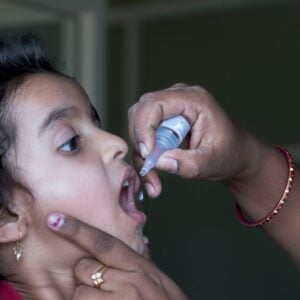
The vaccine will be administered orally in two doses at six and ten weeks of age, alongside other routine childhood vaccines. Clinton Health Access Initiative (CHAI) highlighted the importance of strong immunization data systems to track coverage and address gaps, ensuring effective vaccine delivery.
UNICEF emphasized the role of family engagement and trust in vaccination programs, noting that widespread coverage requires awareness, confidence, and active participation from communities. The nationwide introduction of the rotavirus vaccine reflects a collaborative effort by the Royal Government of Cambodia, international partners, health workers, and communities to protect children and strengthen public health systems.