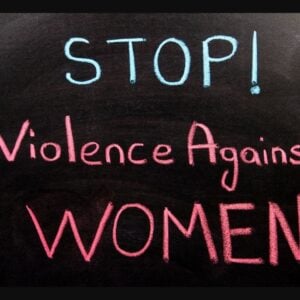
Women journalists across the world face relentless digital abuse that aims to intimidate and silence them. UNESCO’s global study shows that 73 per cent of women journalists have experienced online violence, while one in four has received threats of physical harm, including death threats. In East and Southern Africa, these attacks are part of everyday life and heavily influence how women journalists work, communicate, and protect themselves. Digital violence, a form of technology-enabled abuse, goes beyond criticism and uses threats, harassment, and personal attacks to undermine press freedom.
For South African journalist Kgomotso Modise, online harassment is constant and deeply gendered. She explains that while male journalists may be insulted for their opinions, women reporters are targeted with sexualized insults and degrading comments about their appearance or sexuality. This abuse intensified during her coverage of the Senzo Meyiwa trial, where polarized public debate led to vicious attacks unrelated to her reporting. The difference between critique and gendered harassment is clear—this violence is meant to silence, not debate.
The abuse often escalates in disturbing ways. After Modise criticized extrajudicial killings, an online troll dug up her childhood photos and paired them with threats involving sexual violence against her and her young niece. For her, this was a line crossed; it was no longer just about her work but a frightening invasion of her privacy and safety. Such incidents demonstrate how digital attackers weaponize personal information to cause fear and deter women journalists from speaking out.
The psychological impact of this harassment is severe. Many women journalists self-censor or withdraw from online spaces to protect themselves. Modise admits she now hesitates before sharing certain views. Kenyan journalist Cecilia Maundu, who hosts the Digital Dada podcast, reports that every woman journalist she has interviewed has endured online abuse ranging from trolling and cyberbullying to coordinated campaigns targeting family members. Some have sought therapy, while others have deactivated their social media accounts for their mental wellbeing.
Online abuse also reveals deeper patterns of gender inequality. Modise notes that even seemingly positive phrases like “beauty with brains” reflect the biased belief that a woman cannot be both intelligent and attractive. These entrenched attitudes fuel a culture in which women journalists are treated as easy targets.
Despite the challenges, women journalists continue to work with courage and resilience. At the African Women in Media Conference in Kigali in 2023, media organizations adopted a declaration committing to confront rising violence against women, both online and offline. Modise acknowledges the support her own newsroom provides, including psychological assistance and team structures designed to protect women in high-risk reporting. Still, she emphasizes the need for stronger collaboration with law enforcement and cyber experts to identify and hold perpetrators accountable.
Efforts to combat digital violence must be broad and coordinated. UN Women advocates for stronger laws, improved tech-company accountability, better support for survivors, and investments in digital literacy and culture change. Creating safer digital spaces is essential not only for the personal security of women journalists but also for the health of democracy itself.
For Modise, the determination to continue reporting outweighs the abuse. The messages of gratitude she receives from those who benefit from her work motivate her to persist. Protecting women journalists is ultimately about ensuring that diverse voices remain part of public discourse and that freedom of expression thrives.