Ending global hunger begins with understanding its severity and scale. Hunger can range from missing occasional meals to going days without food, and the World Food Programme focuses on people facing the most dangerous levels of food insecurity. To identify who needs urgent help, hunger must be measured and monitored systematically. The Integrated Food Security Phase Classification (IPC) is the global standard for this, categorizing hunger into five phases. These levels guide humanitarian organizations in planning emergency responses and long-term solutions.
In IPC Phase 1, most people can access enough food, and hunger is minimal. Phase 2 reflects a fragile situation where families manage to meet basic food needs but lack stability, with growing malnutrition risks. Phase 3 marks a crisis point where people regularly go hungry, food options shrink, and families resort to coping strategies like selling assets. The World Food Programme steps in at this stage and above, as populations urgently need support to survive and rebuild. Currently, 134 million people worldwide are in Phase 3, with Nigeria, the Democratic Republic of the Congo, and Yemen among the most affected.
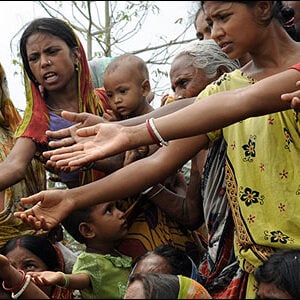
IPC Phase 4 represents an emergency, where people are consuming far below minimum calorie needs and face irreversible losses of income and assets. At this point, the risk of starvation is severe, and 18.5 million people globally fall within this category. The most extreme condition is IPC Phase 5, known as Catastrophe at the household level. Here, people have exhausted all coping strategies, lack food entirely, and face life-threatening malnutrition. Around 712,000 people are in this phase, particularly in conflict-affected areas such as Gaza, Yemen, and South Sudan. A famine classification requires evidence of widespread starvation, extreme food shortages, and high child malnutrition, though in conflict zones full confirmation can be difficult.
The IPC covers much of the world but not all regions where WFP works. To develop a complete picture, WFP combines IPC findings with other assessments such as its own CARI system and UN humanitarian analyses. Based on these sources, WFP estimates that 319 million people across 67 countries are currently facing crisis levels of hunger or worse. Women, children, and refugees remain the most vulnerable groups suffering the deepest impacts of food insecurity.
Hunger is driven by overlapping crises. Conflict is the leading cause, disrupting food production, displacing communities, and destabilizing entire regions. The climate crisis further intensifies hunger through extreme weather that devastates farms and livelihoods. Extreme poverty underpins these threats, leaving families unable to cope with rising prices or natural disasters. Addressing hunger therefore requires tackling its root causes while providing direct support to affected communities.
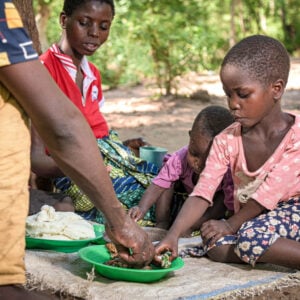
The World Food Programme works to reduce hunger by moving people into lower IPC phases through emergency aid, nutrition support, school meals, and resilience-building programs. Achieving a world with zero hunger demands larger global solutions: ending conflict, reversing climate impacts, and strengthening economic stability. By staying informed and supporting hunger-relief efforts, individuals and communities can contribute to this mission and help ensure that every person has access to the food they need to survive and thrive.