• Skip to primary navigation
  • Skip to main content
  • Skip to primary sidebar

fundsforNGOs News

Grants and Resources for Sustainability

  • Subscribe for Free
  • Premium Support
  • Premium Sign in
  • Premium Sign up
  • Home
  • Grants & Funding
    • Funds for NGOs
      • Agriculture, Food & Nutrition
      • Animals and Wildlife
      • Arts & Culture
      • Children
      • Civil Society
      • Community Development
      • Democracy and Good Governance
      • Economic Development
      • Education
      • Disability
      • Employment and Labor
      • Environment
      • Family Support
      • Healthcare
      • HIV and AIDS
      • Housing & Shelter
      • Humanitarian Relief
      • Human Rights
      • Human Service
      • Information Technology
      • Livelihood Development
      • LGBTQIA2S+
      • Media and Development
      • Narcotics, Drugs and Crime
      • Old Age Care
      • Peace & Conflict Resolution
      • Poverty Alleviation
      • Refugees, Migration & Asylum Seekers
      • Science & Technology
      • Sports & Development
      • Sustainable Development
      • Water, Sanitation & Hygiene (WASH)
      • Women & Gender
      • Youth & Adolescents
    • Donors & Funders
    • Funds for Companies
      • Accounts & Finance
      • Agriculture, Food and Nutrition
      • AI
      • Education
      • Energy
      • Environment
      • Healthcare
      • Innovation
      • Manufacturing
      • Media
      • Research
      • Startups & Early-Stage
      • Sustainable Development
      • Technology
      • Travel & Tourism
      • Women
      • Youth
    • Funds for Individuals
  • Funds in Your Country
  • Proposal Writing
    • Sample Proposals
    • Agriculture Proposals
    • Business Proposals
    • Child Development Proposals
    • Climate Change & Biodiversity Proposals
    • Community Development Proposals
    • Democracy & Good Governance Proposals
    • Disability Proposals
    • Disaster & Humanitarian Relief Proposals
    • Environment Proposals
    • Education Proposals
    • Healthcare Proposals
    • Housing & Shelter Proposals
    • Human Rights Proposals
    • Livelihood Development Proposals
    • Nutrition & Food Security Proposals
    • Poverty Alleviation Proposals
    • Refugees, Migration & Asylum-Seekers’ Proposals
    • Rural Development Proposals
    • Sustainable Development Proposals
    • Water, Sanitation & Hygiene (WASH) Proposals
    • Women & Gender Proposals
    • Youth Development Proposals
  • Premium
    • Premium Sign-in
    • Premium Grants
    • Premium eBooks
    • Premium Webinars
    • Premium Videos
    • Premium Courses
    • Premium Support
  • NGOs.AI
  • Contact
    • Submit Your Opportunity
    • Learning Lab
    • Q&A
    • News
    • About us
You are here: Home / cat / How Nepal’s Farmers Are Reaching Markets and Driving Economic Growth

How Nepal’s Farmers Are Reaching Markets and Driving Economic Growth

Dated: October 10, 2025

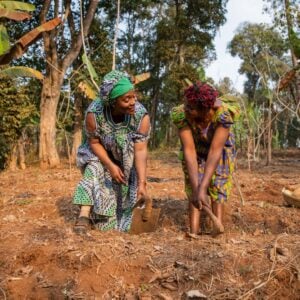
Across Nepal, women farmers are transitioning from subsistence agriculture to income-generating enterprises, signaling a quiet yet powerful transformation in rural livelihoods. This shift is being driven by agricultural cooperatives, grants for modern equipment, improved technologies, and better market linkages that empower women to become entrepreneurs and job creators within their communities.

In Madhesh Province, farmer Anjali Devi Yadav exemplifies this change. Once burdened by debt after her husband migrated to the UAE, Anjali joined other farmers to access a grant from the World Bank’s Rural Enterprise and Economic Development (REED) project. The support provided her with seeds, sprayers, tools, and modern farming training, helping her establish a profitable vegetable business. Today, she delivers fresh produce to local markets, employs her husband—who earns more than he did abroad—and benefits from cooperative connections that ensure fair prices and steady demand. In 2024 alone, Anjali’s sales grew to 9.8 tons of vegetables worth Rs. 392,000, a substantial rise from previous years.

In Madichour Rolpa, buffalo farmers like Anisha Pun and Tirpani Baijali are also benefiting from REED’s market linkage initiatives. With improved access to buyers, they now sell milk directly to dairies, increasing household incomes. Grants enabled them to purchase high-yield Murrah buffaloes, and training in livestock management has enhanced productivity. Similarly, in Panchthar district, fifteen indigenous women from the Ngingma Chyanghthapu Chhyoling Women Farmers Group used REED support to start bee farming. They acquired modern hives, hired technicians, and launched their brand, Himalayan Herbal Honey, made from nectar of medicinal plants. This venture has not only diversified income sources but also reduced reliance on remittances from migrant family members.

Women across Nepal are leveraging REED’s initiatives to enhance productivity and financial independence. Shanti Khadayat, a goat farmer from Sudurpashchim Province, introduced high-quality Boer goats to replace low-yield indigenous breeds using a matching grant. The result was healthier livestock and higher market prices, with Shanti now sharing her expertise across her cooperative. Likewise, Urmila Ghale, a veterinarian, trained women in building improved animal sheds and invested in Murrah buffaloes with her cooperative. With better facilities and productivity, they now plan to sell milk and organic compost in Indian markets, where profits are higher.

Over the past four years, the REED project has mobilized more than $12.5 million in capital, generating over 12,000 jobs and benefiting 8,700 farmers across 171 municipalities and six provinces. Around 48% of its beneficiaries are women, and over one-third of its productive partnerships are women-led. Farmers are increasingly confident to invest because they receive technical support, market guarantees, and fair pricing structures that minimize risks.

Women-led producer organizations like Rana Samaj in Nepal have achieved remarkable results. Farmers like Santoshi and Kalpana report doubling their investments and achieving 100% profits from commercial vegetable farming. With improved market access, they have gained financial independence and no longer rely on remittances or male family members for basic expenses.

As REED approaches its fifth anniversary, it has established 74 Municipal Agricultural Livestock Service Centers (MALSCs) across Nepal. These centers act as hubs for mentoring, training, and technical assistance in livestock management, disease control, and agribusiness incubation. Although women constitute the majority of Nepal’s agricultural workforce, only about 32% own land. The government aims to increase this to 50% by 2035. With continued access to knowledge, financial tools, and market connections, Nepal’s women farmers are not only growing crops—they are cultivating confidence, resilience, and a more prosperous future for their families and communities.

Related Posts

  • Ending Conflicts Starts with Women: Prioritizing the Women, Peace and Security Agenda
  • Building an Inclusive Blue Economy: Aquaculture Opportunities for Women and Youth in Kenya
  • Reviving Hope in Mwenezi: Women Farmers Rebuild Their Future Through the Nourish and Thrive Project
  • Women’s Role in Peace and Security Reversing, Says UN Secretary-General
  • AGF and Women’s World Banking Forge Strategic Partnership to Empower Women Entrepreneurs in Africa

Primary Sidebar

Latest News

German Researchers Warn EU Carbon Market Reforms Could Threaten Climate Targets

Germany Plans Renewable Energy Support Cuts to Reduce Grid Pressure and Costs

Nigeria Launches AI-Powered Agricultural Monitoring Platform Using Satellite Data

Large beige industrial pipeline with a bolted flange, valves, and metal catwalks on a gravel site under a blue sky.

ECOWAS Approves Nigeria-Morocco Gas Pipeline Project as Financing Challenges Remain

Kenya Attracts $3.95 Million Investment for Geothermal-Powered Aquafeed Plant

Ghana’s $60 Billion Jomoro Petroleum Hub Delayed by Land Compensation Issues

Somalia Launches National Network to Strengthen Startup Ecosystem and Support Entrepreneurs

Zambia Launches Project to Support Green Businesses and Formal E-Waste Recycling

African Development Bank Supports Launch of Côte d’Ivoire’s Digital Private Investment Reporting Platform

African Development Bank Approves $13 Million to Support Ebola Response in DRC, South Sudan and Uganda

Belize Joins Regional Public Health Network to Strengthen Essential Health Functions

Guyana Advances Access to Assistive Technology to Build a More Inclusive Future

Disability Inclusion in Health Systems Remains Uneven Across Latin America and the Caribbean, Report Finds

Ireland Approves Over €204,500 to Support Cross-Border Cultural Projects in 2026

UN Report Shows Global Hunger Declined for Third Straight Year, but Regional Gaps Remain

ILO Workshop Highlights India–EU Labour Mobility Opportunities in Telangana

IFC Launches First Catalytic First Loss Guarantee Investment to Support Uzbekistan’s Small Businesses

ADB and Japan Launch New Water Security Fund with $10 Million Initial Contribution

IOM and KSrelief Sign USD 2.5 Million Agreement to Strengthen WASH Services in Cox’s Bazar

Kenya Strengthens Public Sector Leadership for AI and Digital Transformation

Female healthcare worker in a white coat sits at a table with medical supplies; another clinician in blue scrubs and a scrub cap leans over to review papers outdoors at a community health event, with bystanders in the background.

Young Pastoralists in Kyrgyzstan Unite to Promote Sustainable Rangeland Management

New Zealand Advances Planning Reform to Support Growth and Environmental Protection

Unitaid Leadership Search Begins Amid Funding Crisis and Calls for Global Health Reform

Young People Build Their Futures Through Skills, Innovation and New Opportunities

WFP Warns El Obeid Becomes Centre of Sudan’s Growing Displacement and Hunger Crisis

El Obeid Emerges as New Epicentre of Sudan’s Displacement and Hunger Crisis, WFP Warns

Smart Water Technology Transforms Access to Clean Water in Ethiopia

UNFPA and Moldcell Partner to Promote Family-Friendly Workplaces and Employee Well-Being in Moldova

IUCN Members Advance Citizen Science as a Global Conservation Tool

Awaaz Afghanistan Strengthened to Expand Humanitarian Support and Community Access

BIREME Highlights Digital Health Innovation at Brazil’s 39th CONASEMS Congress

Latin American Countries Launch 24 Initiatives to Strengthen Food Safety Systems

UNDP and Spain Establish New Madrid Office to Strengthen Global Development Partnerships

UNDP and South Korea Launch $50 Million Initiative to Help Crisis-Affected Communities Recover

Three white ambulances with red stripes and blue emergency lights parked under a covered driveway, with green trees in the background.

The Gambia Receives 10 Ambulances and Medical Equipment to Strengthen Emergency Healthcare

African Development Bank and Japan Strengthen Partnership to Boost Private Investment in Africa

Victoria Foundation Distributes $6.19 Million to Support Local Charities and Community Programs

Kenya Launches $264 Million Program to Build Climate-Resilient Agriculture

Dangote Refinery Raises $2.5 Billion Ahead of Major Nigeria IPO

African Development Bank Approves CFA833.8 Billion in New Financing for Cameroon Since 2023

Funds for NGOs
Funds for Companies
Funds for Media
Funds for Individuals
Sample Proposals

Contact us
Submit a Grant
Advertise, Guest Posting & Backlinks
Fight Fraud against NGOs
About us

Terms of Use
Third-Party Links & Ads
Disclaimers
Copyright Policy
General
Privacy Policy

Premium Sign in
Premium Sign up
Premium Customer Support
Premium Terms of Service

©FUNDSFORNGOS LLC.   fundsforngos.org, fundsforngos.ai, and fundsforngospremium.com domains and their subdomains are the property of FUNDSFORNGOS, LLC 1018, 1060 Broadway, Albany, New York, NY 12204, United States.   Unless otherwise specified, this website is not affiliated with the abovementioned organizations. The material provided here is solely for informational purposes and without any warranty. Visitors are advised to use it at their discretion. Read the full disclaimer here. Privacy Policy. Cookie Policy.