• Skip to primary navigation
  • Skip to main content
  • Skip to primary sidebar

fundsforNGOs News

Grants and Resources for Sustainability

  • Subscribe for Free
  • Premium Support
  • Premium Login
  • Premium Sign up
  • Home
  • Funds for NGOs
    • Agriculture, Food and Nutrition
    • Animals and Wildlife
    • Arts and Culture
    • Children
    • Civil Society
    • Community Development
    • COVID
    • Democracy and Good Governance
    • Disability
    • Economic Development
    • Education
    • Employment and Labour
    • Environmental Conservation and Climate Change
    • Family Support
    • Healthcare
    • HIV and AIDS
    • Housing and Shelter
    • Humanitarian Relief
    • Human Rights
    • Human Service
    • Information Technology
    • LGBTQ
    • Livelihood Development
    • Media and Development
    • Narcotics, Drugs and Crime
    • Old Age Care
    • Peace and Conflict Resolution
    • Poverty Alleviation
    • Refugees, Migration and Asylum Seekers
    • Science and Technology
    • Sports and Development
    • Sustainable Development
    • Water, Sanitation and Hygiene (WASH)
    • Women and Gender
  • Funds for Companies
    • Accounts and Finance
    • Agriculture, Food and Nutrition
    • Artificial Intelligence
    • Education
    • Energy
    • Environment and Climate Change
    • Healthcare
    • Innovation
    • Manufacturing
    • Media
    • Research Activities
    • Startups and Early-Stage
    • Sustainable Development
    • Technology
    • Travel and Tourism
    • Women
    • Youth
  • Funds for Individuals
    • All Individuals
    • Artists
    • Disabled Persons
    • LGBTQ Persons
    • PhD Holders
    • Researchers
    • Scientists
    • Students
    • Women
    • Writers
    • Youths
  • Funds in Your Country
    • Funds in Australia
    • Funds in Bangladesh
    • Funds in Belgium
    • Funds in Canada
    • Funds in Switzerland
    • Funds in Cameroon
    • Funds in Germany
    • Funds in the United Kingdom
    • Funds in Ghana
    • Funds in India
    • Funds in Kenya
    • Funds in Lebanon
    • Funds in Malawi
    • Funds in Nigeria
    • Funds in the Netherlands
    • Funds in Tanzania
    • Funds in Uganda
    • Funds in the United States
    • Funds within the United States
      • Funds for US Nonprofits
      • Funds for US Individuals
      • Funds for US Businesses
      • Funds for US Institutions
    • Funds in South Africa
    • Funds in Zambia
    • Funds in Zimbabwe
  • Proposal Writing
    • How to write a Proposal
    • Sample Proposals
      • Agriculture
      • Business & Entrepreneurship
      • Children
      • Climate Change & Diversity
      • Community Development
      • Democracy and Good Governance
      • Disability
      • Disaster & Humanitarian Relief
      • Environment
      • Education
      • Healthcare
      • Housing & Shelter
      • Human Rights
      • Information Technology
      • Livelihood Development
      • Narcotics, Drugs & Crime
      • Nutrition & Food Security
      • Poverty Alleviation
      • Sustainable Develoment
      • Refugee & Asylum Seekers
      • Rural Development
      • Water, Sanitation and Hygiene (WASH)
      • Women and Gender
  • News
    • Q&A
  • Premium
    • Premium Log-in
    • Premium Webinars
    • Premium Support
  • Contact
    • Submit Your Grant
    • About us
    • FAQ
    • NGOs.AI
You are here: Home / cat / Building an Inclusive Blue Economy: Aquaculture Opportunities for Women and Youth in Kenya

Building an Inclusive Blue Economy: Aquaculture Opportunities for Women and Youth in Kenya

Dated: October 9, 2025

WorldFish, through the Asia-Africa BlueTech Superhighway (AABS) project, is investigating how aquaculture, particularly Integrated Multi-Trophic Aquaculture (IMTA), can create sustainable livelihoods for women and youth in Kenya’s coastal counties of Kilifi, Kwale, and Mombasa. Despite living near abundant marine resources, women and young people often face exclusion from stable employment, while traditional sectors such as fishing, farming, and tourism are increasingly strained by overfishing, climate change, limited capital access, and insecurity. IMTA is gaining recognition as a sustainable and economically promising alternative.

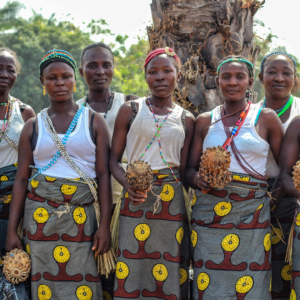
Research shows that gender roles strongly influence participation in aquaculture. Young men are generally involved in pond construction, fish feeding, and harvesting, while women are largely confined to post-harvest tasks such as cleaning, drying, and selling. Seaweed farming is viewed as “women’s work,” and older women face additional barriers, including restricted mobility, household responsibilities, and social norms that limit autonomy in livelihood choices. Young people, especially women, often lack access to land, productive assets, and decision-making power, yet they demonstrate strong aspirations to build businesses, contribute to household food security, and gain financial independence.

Early findings indicate that IMTA’s potential is constrained by multiple barriers. At the individual level, limited awareness and technical knowledge reduce interest in aquaculture. Household constraints, social stigma, and structural issues—including degraded ecosystems, licensing bureaucracy, weak extension services, market instability, and inadequate financing—further hinder participation. Women, in particular, may internalize the belief that aquaculture is a male-dominated sector, while poor water quality and unpredictable weather increase risk for all participants.

To promote inclusive engagement, strategies focus on gender- and youth-responsive training, flexible hands-on learning opportunities, skills development in marketing and entrepreneurship, and access to finance and infrastructure such as seed grants, youth-friendly loans, subsidized inputs, cold storage, and transport. Facilitating market linkages and value addition for aquaculture products can enhance incomes and visibility. Challenging restrictive gender norms through community dialogues, intergenerational engagement, and leadership involvement, alongside integrating gender and youth targets in county-level blue economy policies, is critical to ensuring equitable participation and decision-making.

Aquaculture, especially IMTA, holds the potential to drive job creation, resilience, and environmental stewardship in Kenya’s coastal regions. Realizing this potential requires addressing structural, social, and economic barriers, listening to the aspirations of women and youth, and ensuring they have access to resources and opportunities. By doing so, aquaculture systems can become inclusive, sustainable, and equitable, fostering both livelihoods and environmental sustainability.
Related Posts

  • Why Visibility Is the First Step Toward True Inclusion
  • 10 Major Challenges African Women Confront in 2025
  • Equal Work, Unequal Outcomes: ILO Calls for Gender Equality in Supply Chains
  • Ending Conflicts Starts with Women: Prioritizing the Women, Peace and Security Agenda
  • Women’s Role in Peace and Security Reversing, Says UN Secretary-General

Primary Sidebar

Latest News

Applications Open for TURAQTY JOL 7.0 Youth Eco Camp in Kazakhstan

Human Rights Watch Urges Hungary’s New Government to Restore Rule of Law and Rights

Amnesty International Warns Venezuela Amnesty Law Risks Reinforcing Political Repression

Sudan War Enters Fourth Year as UN Warns of ‘Abandoned Crisis’ and Rising Violence

UNFPA Expands Access to Maternal and Newborn Health Commodities to Prevent Deaths

UK Launches £132 Million Fisheries and Seafood Scheme to Support Coastal Communities

Indonesia and UN Launch Climate Finance Programme to Strengthen Smallholder Resilience

African Agrivoltaics Platform Initiative Launched to Boost Sustainable Energy and Agriculture in Africa

Barbados AMR Response: From Bench to Bedside

Strengthening AMR Surveillance: PAHO ReLAVRA+ Training 2026

Building Stronger AMR Surveillance in Haiti and DR

Strengthening a Caribbean Community of Practice

From Dialogue to Action: Pacific Climate Mobility Shift

Sweden Fossil Fuel Production Ban: Lessons on Symbolic Climate Wins

New Nepal Initiative to Finance Local Climate Action

Closing Ethiopia’s Digital Finance Gap for Women Civil Servants

Building Financial Resilience Amid Funding Pressures

How to Strengthen Youth Rights and Voices in Health

UN Names Ghana’s Gbeho Special Envoy to South Sudan

How Vanuatu’s UN Climate Proposal May Change Climate Accountability

UNDP and Japan Boost Community Resilience in Afghanistan

Mongolia Launches Hazardous Chemicals Elimination Project with UNDP & GEF

2026 UNDP Agriculture Financial Resilience Community Launch

US$5.2M Initiative to Advance Sustainability in Nairobi

Civil Society Organisations Can Access €350K in New Funding

Seaweed and Microalgae Projects Win $6.9M Grant Funding

Powering Healthcare in Nigeria: Community-Led Change

Aid Blockades and Displacement Worsen South Sudan Crisis

IFRC Sends Emergency Medical Aid from Türkiye to Iran

Eswatini Court Ruling Offers Limited Relief to US Deportees

14 Million Displaced as Sudan Conflict Worsens

Urgent Action Needed as Haiti Faces Hunger and Chaos

Ireland Announces €100M Fuel Support for Farmers and Fishers

DRC Expands Social Protection with New Decent Work Initiative

Morocco Gets $500M World Bank Boost for Jobs and Green Economy

Bangladesh Gets $115.8M ADB Boost for Resilient Urban Services

Nigeria Gets $200M AfDB Boost for Fibre Expansion Project

UN Declaration on Enslavement: Three Key Lessons

Norway Boosts Support for Humanitarian Aid Efforts

Sudanese Refugees in Chad Face Aid Funding Crisis

Funds for NGOs
Funds for Companies
Funds for Media
Funds for Individuals
Sample Proposals

Contact us
Submit a Grant
Advertise, Guest Posting & Backlinks
Fight Fraud against NGOs
About us

Terms of Use
Third-Party Links & Ads
Disclaimers
Copyright Policy
General
Privacy Policy

Premium Sign in
Premium Sign up
Premium Customer Support
Premium Terms of Service

©FUNDSFORNGOS LLC.   fundsforngos.org, fundsforngos.ai, and fundsforngospremium.com domains and their subdomains are the property of FUNDSFORNGOS, LLC 1018, 1060 Broadway, Albany, New York, NY 12204, United States.   Unless otherwise specified, this website is not affiliated with the abovementioned organizations. The material provided here is solely for informational purposes and without any warranty. Visitors are advised to use it at their discretion. Read the full disclaimer here. Privacy Policy. Cookie Policy.