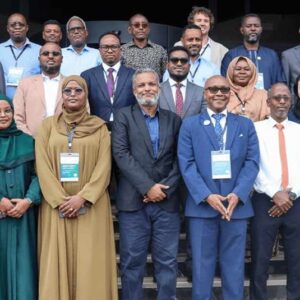
The African Economic Conference 2026 has opened in Abidjan, Côte d’Ivoire, bringing together economists, policymakers, researchers, and development experts to discuss strategies for strengthening Africa’s geopolitical influence and economic resilience in an increasingly multipolar world.
Hosted by the African Development Bank Group, the three-day conference is being held under the theme “Strengthening Africa’s Geopolitical Agency and Trade Resilience in a Multipolar World.” The event is jointly organized by the African Development Bank Group, the United Nations Development Programme, and the Organisation for Economic Co-operation and Development.
The conference highlights the need for African countries to work collectively to shape their own future, strengthen economic independence, and increase their role in global decision-making. Speakers emphasized that Africa must move beyond being viewed primarily as a source of raw materials and become a stronger participant in global supply chains, industrial development, and international economic governance.
Côte d’Ivoire’s Minister of Planning and Development, Souleymane Diarrassouba, called for a deeper reassessment of Africa’s position in the changing global landscape. He stressed the importance of recognizing the continent as a key economic player capable of defending its interests and contributing to global growth.
African Development Bank Group President Dr Sidi Ould Tah said Africa’s future should be built around autonomy, resilience, competitiveness, and influence. He highlighted the importance of collective action, stronger institutions, and the ability to negotiate from a position of strength to increase Africa’s global impact.
Participants at the conference are exploring solutions to major economic challenges, including industrialization, human capital development, youth and women’s employment, digital transformation, natural resource management, financial independence, and regional economic integration. Discussions are focused on identifying practical strategies that can help African economies adapt to global shifts and unlock new opportunities.
UNDP Regional Bureau for Africa Director Ahunna Eziakonwa emphasized that Africa should play a greater role in shaping global rules rather than simply adapting to decisions made elsewhere. She noted that stronger institutions, deeper cooperation, and resilient trade systems will be essential for increasing the continent’s influence.
The conference also examines the future of development financing, with experts highlighting the need to expand investment sources beyond traditional aid. Participants are discussing ways to strengthen domestic capital markets and mobilize larger volumes of financing to support sustainable development across Africa.
Since its establishment in 2006, the African Economic Conference has become a major platform for policy dialogue, bringing together governments, researchers, development organizations, and private-sector leaders to develop solutions for Africa’s economic transformation.
The 2026 edition also features the annual meeting of the Global Network of Chief Economists of Development and Financing Institutions, along with the launch of the African Chief Economists Network. The event aims to strengthen collaboration and provide evidence-based policy recommendations to support Africa’s long-term development goals.