• Skip to primary navigation
  • Skip to main content
  • Skip to primary sidebar

fundsforNGOs News

Grants and Resources for Sustainability

  • Subscribe for Free
  • Premium Support
  • Premium Login
  • Premium Sign up
  • Home
  • Funds for NGOs
    • Agriculture, Food and Nutrition
    • Animals and Wildlife
    • Arts and Culture
    • Children
    • Civil Society
    • Community Development
    • COVID
    • Democracy and Good Governance
    • Disability
    • Economic Development
    • Education
    • Employment and Labour
    • Environmental Conservation and Climate Change
    • Family Support
    • Healthcare
    • HIV and AIDS
    • Housing and Shelter
    • Humanitarian Relief
    • Human Rights
    • Human Service
    • Information Technology
    • LGBTQ
    • Livelihood Development
    • Media and Development
    • Narcotics, Drugs and Crime
    • Old Age Care
    • Peace and Conflict Resolution
    • Poverty Alleviation
    • Refugees, Migration and Asylum Seekers
    • Science and Technology
    • Sports and Development
    • Sustainable Development
    • Water, Sanitation and Hygiene (WASH)
    • Women and Gender
  • Funds for Companies
    • Accounts and Finance
    • Agriculture, Food and Nutrition
    • Artificial Intelligence
    • Education
    • Energy
    • Environment and Climate Change
    • Healthcare
    • Innovation
    • Manufacturing
    • Media
    • Research Activities
    • Startups and Early-Stage
    • Sustainable Development
    • Technology
    • Travel and Tourism
    • Women
    • Youth
  • Funds for Individuals
    • All Individuals
    • Artists
    • Disabled Persons
    • LGBTQ Persons
    • PhD Holders
    • Researchers
    • Scientists
    • Students
    • Women
    • Writers
    • Youths
  • Funds in Your Country
    • Funds in Australia
    • Funds in Bangladesh
    • Funds in Belgium
    • Funds in Canada
    • Funds in Switzerland
    • Funds in Cameroon
    • Funds in Germany
    • Funds in the United Kingdom
    • Funds in Ghana
    • Funds in India
    • Funds in Kenya
    • Funds in Lebanon
    • Funds in Malawi
    • Funds in Nigeria
    • Funds in the Netherlands
    • Funds in Tanzania
    • Funds in Uganda
    • Funds in the United States
    • Funds within the United States
      • Funds for US Nonprofits
      • Funds for US Individuals
      • Funds for US Businesses
      • Funds for US Institutions
    • Funds in South Africa
    • Funds in Zambia
    • Funds in Zimbabwe
  • Proposal Writing
    • How to write a Proposal
    • Sample Proposals
      • Agriculture
      • Business & Entrepreneurship
      • Children
      • Climate Change & Diversity
      • Community Development
      • Democracy and Good Governance
      • Disability
      • Disaster & Humanitarian Relief
      • Environment
      • Education
      • Healthcare
      • Housing & Shelter
      • Human Rights
      • Information Technology
      • Livelihood Development
      • Narcotics, Drugs & Crime
      • Nutrition & Food Security
      • Poverty Alleviation
      • Sustainable Develoment
      • Refugee & Asylum Seekers
      • Rural Development
      • Water, Sanitation and Hygiene (WASH)
      • Women and Gender
  • News
    • Q&A
  • Premium
    • Premium Log-in
    • Premium Webinars
    • Premium Support
  • Contact
    • Submit Your Grant
    • About us
    • FAQ
    • NGOs.AI
You are here: Home / cat / Sudan Crisis: Rainy Season Risks Blocking Lifesaving Aid Delivery

Sudan Crisis: Rainy Season Risks Blocking Lifesaving Aid Delivery

Dated: April 22, 2026

Sudan is facing a deepening hunger catastrophe as the four-month rainy season beginning in June threatens to cut off already fragile humanitarian access to the Darfur region. Roads connecting Chad to western Sudan are expected to become impassable due to flooding and heavy “black cotton” mud, isolating communities that are already experiencing extreme food shortages and limited access to basic services.

The crisis is unfolding in the context of nearly four years of conflict, which has displaced more than 12 million people and pushed agricultural production to the brink of collapse. More than 10 million people are now experiencing severe food insecurity, with many relying on overstretched host communities or irregular aid deliveries that must travel long and dangerous supply routes from ports in Cameroon through Chad into Sudan.

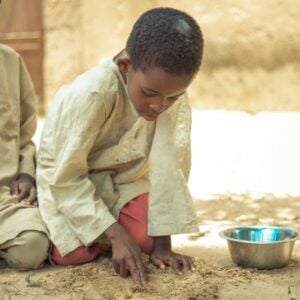
Children are among the most affected, with an estimated 800,000 at immediate risk of death without urgent nutritional support, particularly in Darfur and Kordofan. In areas such as Jabal Marra, families report surviving on minimal food after months without adequate assistance, while extreme heat and the approaching rains further worsen living conditions. The rainy season also raises the risk of disease outbreaks, including cholera, malaria, and diarrheal infections, adding further pressure on already malnourished populations.

Humanitarian operations face severe logistical barriers, with at least 168,000 tons of food needed in the coming months to prevent widespread starvation. However, only limited supplies already in transit are expected to reach affected regions before access routes close. Cross-border trade routes remain disrupted, and air transport, while possible, cannot meet the scale of need due to limited cargo capacity.

Aid agencies are also exploring emergency alternatives such as air drops of Ready-to-Use Therapeutic Food for children at immediate risk of death, as well as digital cash transfers supported by satellite connectivity to help families access markets and essential goods. However, these solutions require coordination, secure access, and functioning distribution networks to be effective, particularly in areas where mobile infrastructure has been damaged.

Despite these efforts, humanitarian response is severely constrained by funding shortages. Major agencies have been forced to reduce food rations, with hundreds of millions of dollars needed urgently to sustain operations. Overall humanitarian requirements for Sudan stand at nearly $3 billion, but only a small fraction of this funding has been secured, leaving millions at risk as the rainy season intensifies.

Related Posts

  • Sudan War Enters Third Year as Hunger Crisis Deepens, Warns WFP
  • Haiti Hunger Alert: More Than 50% Facing Acute Food Insecurity
  • EU and Partners Pledge €811 Million to Address Sudan Humanitarian Crisis
  • Lessons from Ethiopia on Empowering Women and Reducing Hunger
  • Canada Pledges $120 Million to Tackle Sudan Humanitarian Crisis

Primary Sidebar

Latest News

Teaching Large Classes: Practical Solutions for Better Learning

From the Ground Up: How Land Rights Boost Jobs and Growth

Can Agriculture Power Mobility? Biofuels and Oil Insecurity Explained

Private Sector Push in Education: GPE and LAC Business Council Join Forces

UNCDF Introduces Derisking Fund to Help Myanmar Small Businesses Rebuild After Earthquake

IMF Austerity in Argentina: What It Means for Lebanon

Navigating the First Loss and Damage Funding Cycle

Sudan Crisis: Rainy Season Risks Blocking Lifesaving Aid Delivery

Sri Lanka Builds Digital Safeguards Amid Crisis

Public Finance Analysis: Key Insights and Trends

4 Million Sudan Returns at Risk, Warns IOM

Japanese Trade Unions Promote Responsible Business Conduct and Labour Rights

Colombo Hosts Sub-Regional Hub on Decent Work and Care Economy

Iran-Russia Alliance: Key Lessons from the Ukraine War

€2M+ Call Launched to Support Civil Society in Cyprus

AfDB Grants €7.33M to Complete Compensation in Uganda Electrification Project

Switzerland Climate Governance Lessons: How Political Culture Shapes Climate Action

Nepal Education Resilience: UNESCO and IIEP Strengthen Climate Data Systems

5 Lessons for Organisations Partnering to Empower Women Farmers

NBSCALE Project Insights: How Startups Grow into International Scaleups

360 Tons of Turkish Humanitarian Aid Delivered to Lebanon Amid Israeli Strikes

Cross-Border Emergency Planning Project Launched to Improve Crisis Response

Emergency EU Funding for Fisheries and Aquaculture Hit by Middle East Conflict

IDNR and NOAA Award $1M for Lake Michigan Shoreline Protection in Illinois

African Union Signs Grants with 13 Think Tanks for Africa Think Tank Platform

How Will £3 Million in Arts and Culture Funding Be Used?

UNIDO Joins ENACT Partnership to Scale Finance for Nature-Based Industrial Solutions

Western Balkans: New Deal to Improve Nature Protection Funding

Books Delivered by Horseback to Children in Vanuatu

Save the Children Warns of Severe Child Malnutrition in Pakistan

Ireland Launches 2026 Shared Island Civic Society Fund Round

New Grant Funding Boost for Charities and Social Enterprises

Burkina Faso: Rising Crackdown on Civil Society Groups

Advancing Gender Justice in the Crimes Against Humanity Convention

Global Human Rights: The Current State of the World

Haiti Hunger Alert: More Than 50% Facing Acute Food Insecurity

EIB Group and MCC Sign €400M Deal for Italian SMEs and Mid-Caps

Ethiopia Secures €110M EIB Funding for Agri Finance and Women-Led SMEs

EIB Global and Zemen Bank Unlock €40M for Ethiopian Agriculture

EIB Group Backs €2.4 Billion Energy and Deep Tech Innovation

Funds for NGOs
Funds for Companies
Funds for Media
Funds for Individuals
Sample Proposals

Contact us
Submit a Grant
Advertise, Guest Posting & Backlinks
Fight Fraud against NGOs
About us

Terms of Use
Third-Party Links & Ads
Disclaimers
Copyright Policy
General
Privacy Policy

Premium Sign in
Premium Sign up
Premium Customer Support
Premium Terms of Service

©FUNDSFORNGOS LLC.   fundsforngos.org, fundsforngos.ai, and fundsforngospremium.com domains and their subdomains are the property of FUNDSFORNGOS, LLC 1018, 1060 Broadway, Albany, New York, NY 12204, United States.   Unless otherwise specified, this website is not affiliated with the abovementioned organizations. The material provided here is solely for informational purposes and without any warranty. Visitors are advised to use it at their discretion. Read the full disclaimer here. Privacy Policy. Cookie Policy.