• Skip to primary navigation
  • Skip to main content
  • Skip to primary sidebar

fundsforNGOs News

Grants and Resources for Sustainability

  • Subscribe for Free
  • Premium Support
  • Premium Login
  • Premium Sign up
  • Home
  • Funds for NGOs
    • Agriculture, Food and Nutrition
    • Animals and Wildlife
    • Arts and Culture
    • Children
    • Civil Society
    • Community Development
    • COVID
    • Democracy and Good Governance
    • Disability
    • Economic Development
    • Education
    • Employment and Labour
    • Environmental Conservation and Climate Change
    • Family Support
    • Healthcare
    • HIV and AIDS
    • Housing and Shelter
    • Humanitarian Relief
    • Human Rights
    • Human Service
    • Information Technology
    • LGBTQ
    • Livelihood Development
    • Media and Development
    • Narcotics, Drugs and Crime
    • Old Age Care
    • Peace and Conflict Resolution
    • Poverty Alleviation
    • Refugees, Migration and Asylum Seekers
    • Science and Technology
    • Sports and Development
    • Sustainable Development
    • Water, Sanitation and Hygiene (WASH)
    • Women and Gender
  • Funds for Companies
    • Accounts and Finance
    • Agriculture, Food and Nutrition
    • Artificial Intelligence
    • Education
    • Energy
    • Environment and Climate Change
    • Healthcare
    • Innovation
    • Manufacturing
    • Media
    • Research Activities
    • Startups and Early-Stage
    • Sustainable Development
    • Technology
    • Travel and Tourism
    • Women
    • Youth
  • Funds for Individuals
    • All Individuals
    • Artists
    • Disabled Persons
    • LGBTQ Persons
    • PhD Holders
    • Researchers
    • Scientists
    • Students
    • Women
    • Writers
    • Youths
  • Funds in Your Country
    • Funds in Australia
    • Funds in Bangladesh
    • Funds in Belgium
    • Funds in Canada
    • Funds in Switzerland
    • Funds in Cameroon
    • Funds in Germany
    • Funds in the United Kingdom
    • Funds in Ghana
    • Funds in India
    • Funds in Kenya
    • Funds in Lebanon
    • Funds in Malawi
    • Funds in Nigeria
    • Funds in the Netherlands
    • Funds in Tanzania
    • Funds in Uganda
    • Funds in the United States
    • Funds within the United States
      • Funds for US Nonprofits
      • Funds for US Individuals
      • Funds for US Businesses
      • Funds for US Institutions
    • Funds in South Africa
    • Funds in Zambia
    • Funds in Zimbabwe
  • Proposal Writing
    • How to write a Proposal
    • Sample Proposals
      • Agriculture
      • Business & Entrepreneurship
      • Children
      • Climate Change & Diversity
      • Community Development
      • Democracy and Good Governance
      • Disability
      • Disaster & Humanitarian Relief
      • Environment
      • Education
      • Healthcare
      • Housing & Shelter
      • Human Rights
      • Information Technology
      • Livelihood Development
      • Narcotics, Drugs & Crime
      • Nutrition & Food Security
      • Poverty Alleviation
      • Sustainable Develoment
      • Refugee & Asylum Seekers
      • Rural Development
      • Water, Sanitation and Hygiene (WASH)
      • Women and Gender
  • News
    • Q&A
  • Premium
    • Premium Log-in
    • Premium Webinars
    • Premium Support
  • Contact
    • Submit Your Grant
    • About us
    • FAQ
    • NGOs.AI
You are here: Home / cat / Government to Launch Plug-In Solar Within Months

Government to Launch Plug-In Solar Within Months

Dated: March 24, 2026

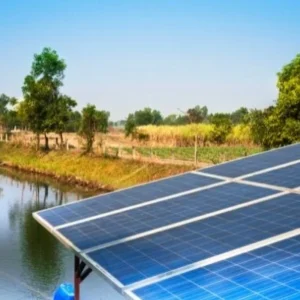
The UK government has announced that “plug-in” solar panels will be available in shops within months, offering households a simpler and more affordable way to reduce their electricity bills. These low-cost systems can be placed on balconies, gardens, or other outdoor spaces and plugged directly into a domestic mains socket, allowing homes to use free solar-generated power without the need for a full installation. The move is part of a wider push to accelerate clean, homegrown energy and reduce the UK’s dependence on volatile fossil fuel markets, especially in light of the ongoing conflict in the Middle East and the resulting energy security concerns.

The government said retailers such as Lidl and Amazon, along with manufacturers including EcoFlow, are working to help bring plug-in solar products to the UK market. This technology is already widely used in parts of Europe, particularly in Germany, where hundreds of thousands of balcony solar systems are added each year. By cutting the amount of electricity households need to draw from the grid, plug-in solar panels could help many families make noticeable savings while also expanding access to renewable energy for renters and people living in flats, who may not be able to install traditional rooftop systems.

Alongside this announcement, the government has introduced new rules under the Future Homes Standard that will ensure the majority of new homes in England are built with solar panels and low-carbon heating systems as standard, with some exceptions such as certain high-rise buildings. These changes are designed to make new homes cheaper to run, more energy efficient, and less exposed to global fuel price shocks. According to the government, these measures could save families up to £830 a year compared with a standard home rated EPC C, while also cutting carbon emissions by at least 75% compared with homes built to 2013 standards.

The Future Homes Standard is being presented as a major shift in housing and energy policy, aimed at making clean energy a built-in feature of future housing rather than an optional upgrade. New homes will be designed to work with low-carbon technologies such as heat pumps, heat networks, and solar power from the outset. The government has also confirmed further technical details for the Home Energy Model, which will eventually become a key method for assessing compliance with the new standard and supporting innovation in efficient new-build housing.

In addition to solar and housing reforms, the government is also launching a new trial that would allow energy suppliers to offer discounted electricity on windy days in areas where excess renewable power is often wasted because the grid cannot carry it all. This is expected to mainly benefit parts of Scotland and the East of England, where wind farms are currently sometimes paid to switch off due to grid constraints. Instead of continuing these “constraint payments,” the government wants to make it more cost-effective to pass this surplus electricity on to households and businesses at reduced prices, particularly during the coming winter.

Overall, the announcements reflect a broader strategy to strengthen the UK’s energy security by expanding renewable energy, electrification, and energy-efficient housing. The government argues that making solar more accessible through both plug-in systems and mandatory new-build standards will help households lower bills, reduce exposure to international energy crises, and support the transition to a cleaner and more resilient energy system. Industry groups, energy companies, and environmental organisations have largely welcomed the measures, describing them as an important step toward a more affordable and sustainable energy future.

Related Posts

  • Energy Resilience Project Hits the Shoreline
  • EIB Backs €507 Million Solar and Storage Programme in Italy
  • Planetary Warming Accelerates: UN Issues Climate Alert
  • UNDP Delivers Climate-Resilient Homes to Flood-Affected Families in Quetta
  • World Bank Backs Jobs and Clean Energy in Brazil’s Amazon

Primary Sidebar

Latest News

Applications Open for TURAQTY JOL 7.0 Youth Eco Camp in Kazakhstan

Human Rights Watch Urges Hungary’s New Government to Restore Rule of Law and Rights

Amnesty International Warns Venezuela Amnesty Law Risks Reinforcing Political Repression

Sudan War Enters Fourth Year as UN Warns of ‘Abandoned Crisis’ and Rising Violence

UNFPA Expands Access to Maternal and Newborn Health Commodities to Prevent Deaths

UK Launches £132 Million Fisheries and Seafood Scheme to Support Coastal Communities

Indonesia and UN Launch Climate Finance Programme to Strengthen Smallholder Resilience

African Agrivoltaics Platform Initiative Launched to Boost Sustainable Energy and Agriculture in Africa

Barbados AMR Response: From Bench to Bedside

Strengthening AMR Surveillance: PAHO ReLAVRA+ Training 2026

Building Stronger AMR Surveillance in Haiti and DR

Strengthening a Caribbean Community of Practice

From Dialogue to Action: Pacific Climate Mobility Shift

Sweden Fossil Fuel Production Ban: Lessons on Symbolic Climate Wins

New Nepal Initiative to Finance Local Climate Action

Closing Ethiopia’s Digital Finance Gap for Women Civil Servants

Building Financial Resilience Amid Funding Pressures

How to Strengthen Youth Rights and Voices in Health

UN Names Ghana’s Gbeho Special Envoy to South Sudan

How Vanuatu’s UN Climate Proposal May Change Climate Accountability

UNDP and Japan Boost Community Resilience in Afghanistan

Mongolia Launches Hazardous Chemicals Elimination Project with UNDP & GEF

2026 UNDP Agriculture Financial Resilience Community Launch

US$5.2M Initiative to Advance Sustainability in Nairobi

Civil Society Organisations Can Access €350K in New Funding

Seaweed and Microalgae Projects Win $6.9M Grant Funding

Powering Healthcare in Nigeria: Community-Led Change

Aid Blockades and Displacement Worsen South Sudan Crisis

IFRC Sends Emergency Medical Aid from Türkiye to Iran

Eswatini Court Ruling Offers Limited Relief to US Deportees

14 Million Displaced as Sudan Conflict Worsens

Urgent Action Needed as Haiti Faces Hunger and Chaos

Ireland Announces €100M Fuel Support for Farmers and Fishers

DRC Expands Social Protection with New Decent Work Initiative

Morocco Gets $500M World Bank Boost for Jobs and Green Economy

Bangladesh Gets $115.8M ADB Boost for Resilient Urban Services

Nigeria Gets $200M AfDB Boost for Fibre Expansion Project

UN Declaration on Enslavement: Three Key Lessons

Norway Boosts Support for Humanitarian Aid Efforts

Sudanese Refugees in Chad Face Aid Funding Crisis

Funds for NGOs
Funds for Companies
Funds for Media
Funds for Individuals
Sample Proposals

Contact us
Submit a Grant
Advertise, Guest Posting & Backlinks
Fight Fraud against NGOs
About us

Terms of Use
Third-Party Links & Ads
Disclaimers
Copyright Policy
General
Privacy Policy

Premium Sign in
Premium Sign up
Premium Customer Support
Premium Terms of Service

©FUNDSFORNGOS LLC.   fundsforngos.org, fundsforngos.ai, and fundsforngospremium.com domains and their subdomains are the property of FUNDSFORNGOS, LLC 1018, 1060 Broadway, Albany, New York, NY 12204, United States.   Unless otherwise specified, this website is not affiliated with the abovementioned organizations. The material provided here is solely for informational purposes and without any warranty. Visitors are advised to use it at their discretion. Read the full disclaimer here. Privacy Policy. Cookie Policy.