• Skip to primary navigation
  • Skip to main content
  • Skip to primary sidebar

fundsforNGOs News

Grants and Resources for Sustainability

  • Subscribe for Free
  • Premium Support
  • Premium Login
  • Premium Sign up
  • Home
  • Funds for NGOs
    • Agriculture, Food and Nutrition
    • Animals and Wildlife
    • Arts and Culture
    • Children
    • Civil Society
    • Community Development
    • COVID
    • Democracy and Good Governance
    • Disability
    • Economic Development
    • Education
    • Employment and Labour
    • Environmental Conservation and Climate Change
    • Family Support
    • Healthcare
    • HIV and AIDS
    • Housing and Shelter
    • Humanitarian Relief
    • Human Rights
    • Human Service
    • Information Technology
    • LGBTQ
    • Livelihood Development
    • Media and Development
    • Narcotics, Drugs and Crime
    • Old Age Care
    • Peace and Conflict Resolution
    • Poverty Alleviation
    • Refugees, Migration and Asylum Seekers
    • Science and Technology
    • Sports and Development
    • Sustainable Development
    • Water, Sanitation and Hygiene (WASH)
    • Women and Gender
  • Funds for Companies
    • Accounts and Finance
    • Agriculture, Food and Nutrition
    • Artificial Intelligence
    • Education
    • Energy
    • Environment and Climate Change
    • Healthcare
    • Innovation
    • Manufacturing
    • Media
    • Research Activities
    • Startups and Early-Stage
    • Sustainable Development
    • Technology
    • Travel and Tourism
    • Women
    • Youth
  • Funds for Individuals
    • All Individuals
    • Artists
    • Disabled Persons
    • LGBTQ Persons
    • PhD Holders
    • Researchers
    • Scientists
    • Students
    • Women
    • Writers
    • Youths
  • Funds in Your Country
    • Funds in Australia
    • Funds in Bangladesh
    • Funds in Belgium
    • Funds in Canada
    • Funds in Switzerland
    • Funds in Cameroon
    • Funds in Germany
    • Funds in the United Kingdom
    • Funds in Ghana
    • Funds in India
    • Funds in Kenya
    • Funds in Lebanon
    • Funds in Malawi
    • Funds in Nigeria
    • Funds in the Netherlands
    • Funds in Tanzania
    • Funds in Uganda
    • Funds in the United States
    • Funds within the United States
      • Funds for US Nonprofits
      • Funds for US Individuals
      • Funds for US Businesses
      • Funds for US Institutions
    • Funds in South Africa
    • Funds in Zambia
    • Funds in Zimbabwe
  • Proposal Writing
    • How to write a Proposal
    • Sample Proposals
      • Agriculture
      • Business & Entrepreneurship
      • Children
      • Climate Change & Diversity
      • Community Development
      • Democracy and Good Governance
      • Disability
      • Disaster & Humanitarian Relief
      • Environment
      • Education
      • Healthcare
      • Housing & Shelter
      • Human Rights
      • Information Technology
      • Livelihood Development
      • Narcotics, Drugs & Crime
      • Nutrition & Food Security
      • Poverty Alleviation
      • Sustainable Develoment
      • Refugee & Asylum Seekers
      • Rural Development
      • Water, Sanitation and Hygiene (WASH)
      • Women and Gender
  • News
    • Q&A
  • Premium
    • Premium Log-in
    • Premium Webinars
    • Premium Support
  • Contact
    • Submit Your Grant
    • About us
    • FAQ
    • NGOs.AI
You are here: Home / cat / Mozambique Launches $6 Billion Electricity Project, Southern Africa’s Largest in 50 Years

Mozambique Launches $6 Billion Electricity Project, Southern Africa’s Largest in 50 Years

Dated: September 8, 2025

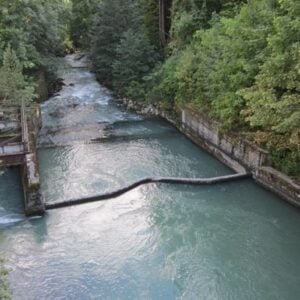
Mozambique is embarking on an ambitious $6 billion electricity project—the Mphanda Nkuwa hydroelectric plant—which is set to become the largest power project in southern Africa in the past 50 years. Supported by the World Bank and private sector players, the 1,500 MW plant is expected to begin operations in 2031 and aims to significantly boost energy access across the country. The project is part of Mozambique’s broader goal to connect all 33 million of its citizens, most of whom live in rural areas, to electricity by 2030, relying heavily on renewable sources such as hydro, solar, and other clean energies.

This transformative effort is already changing lives on the ground. In villages outside the capital, electricity has enabled new business opportunities and improved access to essential services. For example, a local barber now uses hair dryers, and a village pharmacy can store vital medicines requiring refrigeration. World Bank President Ajay Banga highlighted that electricity is more than just light—it is a catalyst for economic growth and opportunity, especially in a country with vast natural energy resources and growing power export potential in southern Africa.

Despite these advances, Mozambique faces significant challenges that are common across sub-Saharan Africa, where 85 percent of the population still lacks reliable power. The country has made impressive progress, nearly doubling electricity access from 31 percent in 2018 to 60 percent in 2024. The state energy company, Electricidade de Moçambique (EDM), has connected hundreds of thousands of new homes, with plans to accelerate this growth further. The Mphanda Nkuwa plant, located downstream from the older Cahora Bassa dam on the Zambezi River, is expected to help alleviate a regional electricity deficit estimated at 10,000 megawatts, which currently limits access to power for millions.

The project is being developed by global energy firms TotalEnergies, Electricite de France, and Mozambique’s Hidroelectrica de Cahora Bassa, with the World Bank providing support through concessional funding, risk guarantees, and political risk insurance rather than direct financing. This approach reflects a global shift in development funding, emphasizing private sector-led growth as traditional donor contributions decline. Banga noted that many donor countries are redirecting funds to domestic priorities, making partnerships like this crucial for infrastructure development in Africa.

Hydropower remains the largest source of renewable electricity worldwide but is still largely untapped in Africa, with estimates suggesting that about 90 percent of the continent’s hydropower potential remains unused. Large-scale projects like Mphanda Nkuwa, along with others such as Ethiopia’s Grand Renaissance Dam and the Congo’s Inga 3 project, are key to unlocking this potential and transforming Africa’s energy landscape. However, challenges remain beyond building mega-dams; decentralized, off-grid energy solutions are also critical to reaching remote communities.

Local energy experts caution that while large infrastructure projects are important, Mozambique’s vast natural resources—including rivers, sunshine, wind, and coastlines—should also be leveraged through smaller, local energy initiatives to benefit rural areas more directly. Concerns over Mozambique’s rising public debt, which hit about $17 billion in early 2025, add complexity to financing such large projects. The final cost of Mphanda Nkuwa is estimated between $5 billion and $6 billion, but the details of debt involvement remain unclear.

Mozambique’s journey has been fraught with challenges, including decades of civil war, ongoing insurgencies, and disruptions to major gas projects. Yet, the promise of electricity is already evident in the daily lives of citizens like Herminio Guambe, whose barbershop thrives thanks to new power access. For many others, like Aurelio Arlindo who remains without electricity but sees new power poles being installed in his neighborhood, the project represents hope for future economic opportunity and improved living conditions.
Related Posts

  • Energy for All: Accelerating Universal Energy Access in Mozambique
  • Global Agri-Energy Coalition Launched to Address Food and Energy Security Gaps
  • Libya Launches Sahara Desert’s First Solar Power Plant to Boost Renewable Energy
  • ADB and ACWA Power to Build Central Asia’s First Wind Power Plant with Battery Storage
  • UNDP and CIFF Join Forces to Improve Water Access in Ethiopia’s Somali Region

Primary Sidebar

Latest News

Africa’s Clean Cooking Gap Leaves Nearly 1 Billion Without Access

Australians for Mental Health Welcomes $517 Million Disability Support Program

Malawi Flood Crisis: Heavy Rains Displace Tens of Thousands

Falconer Unveils Fresh Aid for Displaced Communities in Lebanon (EN/AR)

Sudan: NGOs Urge Action as Conflict Impacts Worsen Regionally

Lower-Income Countries Set Record Investment in Immunisation Programmes

UAE Plans Thousands of Jobs in Non-Profit Sector with Dh100M Fund

Funding Boost for Hundreds of Grassroots Groups to Unite Communities

EU Supports Ukrainian Civil Society Project to Strengthen Justice Reforms

UK and IFC Partner to Boost Agribusiness and Job Creation in the DRC

IFC, Santander Brazil Join Forces to Expand Eco Invest Sustainable Financing in Brazil

Africa Vaccine Manufacturing Boost: IFC, EIB Group and EU Support Biovac Expansion

FAO Hosts Indigenous Consultation in Suriname for REDD+ Climate Finance Readiness

FAO Urges Faster Action to Close Global Water and Sanitation Gaps

Food Value Chain Losses: Where Food Is Wasted and How to Save It

Senegal Tackles Food Waste with FAO-Supported Touba Project

FAO Report Highlights Women’s Role in Africa’s Agrifood Systems

Senegal: FAO Boosts Efforts to Cut Post-Harvest Losses

Ghana Boosts Vaccine Manufacturing Ambition with Clinical Trials

World Health Day 2026: How Nigeria Focused on People and Evidence

Amnesty Calls on Maldives to Scrap Death Penalty Bill

Amnesty Warns India’s Digital Media Rules May Enable Abusive Powers

Over 100 NGOs Dissolved in Burkina Faso Crackdown on Civil Society

Ontario Invests $57M in Indigenous Postsecondary Institutes

Her Voice Fund Evaluation Launched by Womankind

Learnings from a Trilateral Climate-Smart Agriculture Programme

New Funding Announced for Displaced Communities in Lebanon

Climate Change and Work: ILO Urges Stronger Social Protection

Japan SMEs Gain New ILO Business and Human Rights Case Studies

WFP Launches HungerMap Live for Real-Time Hunger Intelligence

KSrelief and WFP Provide Nutrition Aid to Families in Somalia

Bhutan School Nutrition Programme Launched by KOICA and WFP

Japan Donates $2 Million for Disaster Relief in Pakistan

Africa’s Growth at Risk as Middle East Crisis May Reduce GDP by 0.2%

Key Lessons from US Inflation Reduction Act for Future Clean Energy Tax Policy

EU and Partners Pledge €811 Million to Address Sudan Humanitarian Crisis

UK Awards £2 Million to Community Groups to Strengthen Unity Across England

Sudan Food Crisis 2026: Key Facts on Hunger, Agriculture Collapse, and Urgent Aid Needs

Measles Vaccines Save Nearly 20 Million Lives in Africa Since 2000

IFAD Joins World Bank’s Water Forward Initiative to Boost Water Security for 1 Billion People

Funds for NGOs
Funds for Companies
Funds for Media
Funds for Individuals
Sample Proposals

Contact us
Submit a Grant
Advertise, Guest Posting & Backlinks
Fight Fraud against NGOs
About us

Terms of Use
Third-Party Links & Ads
Disclaimers
Copyright Policy
General
Privacy Policy

Premium Sign in
Premium Sign up
Premium Customer Support
Premium Terms of Service

©FUNDSFORNGOS LLC.   fundsforngos.org, fundsforngos.ai, and fundsforngospremium.com domains and their subdomains are the property of FUNDSFORNGOS, LLC 1018, 1060 Broadway, Albany, New York, NY 12204, United States.   Unless otherwise specified, this website is not affiliated with the abovementioned organizations. The material provided here is solely for informational purposes and without any warranty. Visitors are advised to use it at their discretion. Read the full disclaimer here. Privacy Policy. Cookie Policy.