• Skip to primary navigation
  • Skip to main content
  • Skip to primary sidebar

fundsforNGOs News

Grants and Resources for Sustainability

  • Subscribe for Free
  • Premium Support
  • Premium Login
  • Premium Sign up
  • Home
  • Funds for NGOs
    • Agriculture, Food and Nutrition
    • Animals and Wildlife
    • Arts and Culture
    • Children
    • Civil Society
    • Community Development
    • COVID
    • Democracy and Good Governance
    • Disability
    • Economic Development
    • Education
    • Employment and Labour
    • Environmental Conservation and Climate Change
    • Family Support
    • Healthcare
    • HIV and AIDS
    • Housing and Shelter
    • Humanitarian Relief
    • Human Rights
    • Human Service
    • Information Technology
    • LGBTQ
    • Livelihood Development
    • Media and Development
    • Narcotics, Drugs and Crime
    • Old Age Care
    • Peace and Conflict Resolution
    • Poverty Alleviation
    • Refugees, Migration and Asylum Seekers
    • Science and Technology
    • Sports and Development
    • Sustainable Development
    • Water, Sanitation and Hygiene (WASH)
    • Women and Gender
  • Funds for Companies
    • Accounts and Finance
    • Agriculture, Food and Nutrition
    • Artificial Intelligence
    • Education
    • Energy
    • Environment and Climate Change
    • Healthcare
    • Innovation
    • Manufacturing
    • Media
    • Research Activities
    • Startups and Early-Stage
    • Sustainable Development
    • Technology
    • Travel and Tourism
    • Women
    • Youth
  • Funds for Individuals
    • All Individuals
    • Artists
    • Disabled Persons
    • LGBTQ Persons
    • PhD Holders
    • Researchers
    • Scientists
    • Students
    • Women
    • Writers
    • Youths
  • Funds in Your Country
    • Funds in Australia
    • Funds in Bangladesh
    • Funds in Belgium
    • Funds in Canada
    • Funds in Switzerland
    • Funds in Cameroon
    • Funds in Germany
    • Funds in the United Kingdom
    • Funds in Ghana
    • Funds in India
    • Funds in Kenya
    • Funds in Lebanon
    • Funds in Malawi
    • Funds in Nigeria
    • Funds in the Netherlands
    • Funds in Tanzania
    • Funds in Uganda
    • Funds in the United States
    • Funds within the United States
      • Funds for US Nonprofits
      • Funds for US Individuals
      • Funds for US Businesses
      • Funds for US Institutions
    • Funds in South Africa
    • Funds in Zambia
    • Funds in Zimbabwe
  • Proposal Writing
    • How to write a Proposal
    • Sample Proposals
      • Agriculture
      • Business & Entrepreneurship
      • Children
      • Climate Change & Diversity
      • Community Development
      • Democracy and Good Governance
      • Disability
      • Disaster & Humanitarian Relief
      • Environment
      • Education
      • Healthcare
      • Housing & Shelter
      • Human Rights
      • Information Technology
      • Livelihood Development
      • Narcotics, Drugs & Crime
      • Nutrition & Food Security
      • Poverty Alleviation
      • Sustainable Develoment
      • Refugee & Asylum Seekers
      • Rural Development
      • Water, Sanitation and Hygiene (WASH)
      • Women and Gender
  • News
    • Q&A
  • Premium
    • Premium Log-in
    • Premium Webinars
    • Premium Support
  • Contact
    • Submit Your Grant
    • About us
    • FAQ
    • NGOs.AI
You are here: Home / cat / Ethiopia Reaches 16.8 Million Children in Second Round of nOPV2 Vaccination Campaign

Ethiopia Reaches 16.8 Million Children in Second Round of nOPV2 Vaccination Campaign

Dated: August 7, 2025

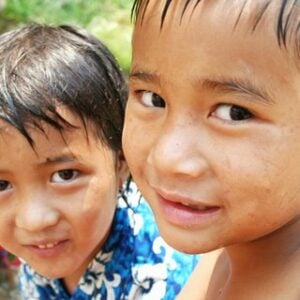
Ethiopia has successfully completed the second round of its nationwide novel oral polio vaccine type 2 (nOPV2) campaign, reaching over 16.8 million children across ten regions. Conducted from May 30 to June 2, 2025, the campaign was led by the Ministry of Health and the Ethiopian Public Health Institute, with support from the World Health Organization (WHO), UNICEF, Rotary International, and other partners. With an administrative coverage rate of 105%, the campaign integrated key maternal and child health services to extend its reach and impact, particularly in high-risk areas like Kellem and West Guji zones, where the age group was expanded to include children up to ten years.

According to WHO Representative Dr. Owen L. Kaluwa, Ethiopia’s leadership and coordination have been instrumental in these efforts, which follow the first round that vaccinated 15.3 million children with a 103% coverage rate. These campaigns are critical in controlling polio outbreaks, with 69 confirmed cases reported across several regions from 2024 to March 2025. WHO contributed significantly by supporting campaign preparation, training health workers, resource mobilization, and monitoring implementation in real time using tools such as the Open Data Kit. Independent monitors and surveyors ensured quality control and enabled immediate corrections during the campaign rollout.

The initiative went beyond polio vaccination, focusing on reducing vaccine-preventable disease burden through integrated health services. It succeeded in reaching previously unvaccinated and under-vaccinated children—48,363 zero-dose children were vaccinated in the second round alone, raising the total to more than 110,000 across both rounds. The campaign also targeted vulnerable populations at border entry points and conducted over 31,000 supervisory visits, which led to the detection of 365 acute flaccid paralysis (AFP) cases, including 81 confirmed cases with laboratory samples collected.

Independent monitoring confirmed the campaign’s high quality, with 98% of over 52,000 children verified as vaccinated and 90% of survey areas meeting required standards. Alongside vaccination, catch-up immunizations were provided for children who had missed routine vaccines, and women with obstetric fistula were identified and referred for treatment—underscoring the campaign’s holistic approach to public health.

WHO reaffirmed its commitment to supporting Ethiopia’s efforts to strengthen immunization coverage, improve disease surveillance, and ensure every child is protected against vaccine-preventable diseases.

Related Posts

  • Civil Society Calls on Government to Boost Immunisation Financing
  • 2025 African Vaccination Week: Boosting Immunization Through the Big Catch-Up Initiative
  • New Zealand Pledges NZ$2 Million to WHO for Polio Outbreak Response in Papua New Guinea
  • UNICEF, Japan, and DOH Partner to Digitize Child Immunization in the Philippines
  • AfDB Approves $46 Million to Strengthen Healthcare System in Sokoto State, Nigeria

Primary Sidebar

Latest News

Kazakhstan’s SME Finance Lesson: The Design Dividend Explained

Smarter Logistics Drive Trade Growth and Job Creation

How Women’s Digital Literacy Is Unlocking Opportunity

BII Launches £15 Billion Fund to Cut Coal Emissions in Asia

EIB Group Boosts Europe’s Clean Energy with €10 Billion Financing Plan

Council Finalises €90 Billion Loan Support for Ukraine

EU Releases €175,000 Humanitarian Aid After Recent Floods

BII Launches Climate Initiative, Plans £15 Billion Investment in Developing Economies

Africa Sees Vaccine Success Against Cancer and Malaria as Funding Pressures Build

Investing in girls’ and young women’s mental health for a stronger future

FAO, US conclude initiative boosting early warning and biosecurity systems

Zimbabwe showcases aquaculture investment opportunities at ZITF 2026 to boost jobs and trade

Heatwaves Push Agrifood Systems to the Brink Worldwide

Western Pacific Progress on Vaccines Must Be Protected: WHO

KSrelief Helps Pakistan Protect Millions from Polio

WHO, Pakistan Deliver 160 Million Childhood Vaccines Over 50 Years

Measles Surge in Americas Prompts PAHO Vaccination Call

WHO 2025 Report Shows Measurable Global Health Impact

WHO Confirms Algeria Has Eliminated Trachoma

Largest Catch-Up Immunization Drive Delivers 100 Million Vaccinations

Ghana, IOM Boost Disaster Risk Reduction and Emergency Response

Malnutrition Crisis Deepens in Somalia Camp Amid Severe Drought

Arizona Lands and Waters Receive New Funding Support

European Union Approves 20th Round of Sanctions on Russia

Portugal Gets €81M European Funding to Build Six Research Centres

Deloitte Unveils Asia Pacific Health Institute for Tech-Enabled Healthcare Access

Senegal Boosts Assistive Technology Access for Improved Well-being

Lessons from Southern Laos’ Unsold Carbon Credits in REDD+ Projects

Indonesia Tests Digital Social Protection Pilot Ahead of National Rollout

Kazakhstan Launches Just Energy Transition Investment Platform

What Australia’s First Sustainability Reports Teach Us

What India Can Learn from Global MSME Financing Models

UNDP Framework for Assessing Climate Investment Flows

Government of Canada Boosts Support for Seniors Nationwide

Kenya Girls Leading the Digital Future

North Dakota Launches $3.6M Rural Health Grant Program

Italy Launches €56.6M PRIN Hybrid Research Call

Dusk city skyline with tall illuminated buildings, palm trees in the foreground, and a residential street with red car light trails moving through the block.

Latin America VC Reforms: Lessons on Startups, Trust, and Governance

ILO Project Boosts Jobs and Social Cohesion in Mali

Banda Aceh MSMEs Boosted by ILO Perfume City Programme

Funds for NGOs
Funds for Companies
Funds for Media
Funds for Individuals
Sample Proposals

Contact us
Submit a Grant
Advertise, Guest Posting & Backlinks
Fight Fraud against NGOs
About us

Terms of Use
Third-Party Links & Ads
Disclaimers
Copyright Policy
General
Privacy Policy

Premium Sign in
Premium Sign up
Premium Customer Support
Premium Terms of Service

©FUNDSFORNGOS LLC.   fundsforngos.org, fundsforngos.ai, and fundsforngospremium.com domains and their subdomains are the property of FUNDSFORNGOS, LLC 1018, 1060 Broadway, Albany, New York, NY 12204, United States.   Unless otherwise specified, this website is not affiliated with the abovementioned organizations. The material provided here is solely for informational purposes and without any warranty. Visitors are advised to use it at their discretion. Read the full disclaimer here. Privacy Policy. Cookie Policy.