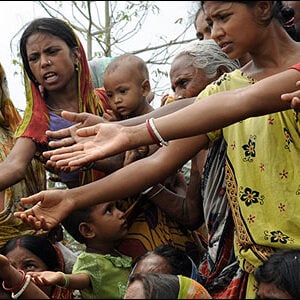
The United Nations has highlighted the growing severity of humanitarian crises across several conflict-affected and vulnerable regions worldwide. Ongoing violence, displacement, economic instability, and climate-related pressures continue to place millions of people at risk, increasing the demand for emergency assistance and protection services.
According to the report, civilians remain the most affected by worsening insecurity and disruptions to essential infrastructure. Many communities are facing shortages of food, healthcare, clean water, and shelter, while repeated displacement has made recovery increasingly difficult for affected populations.
Humanitarian agencies are also encountering major operational challenges in delivering aid safely and consistently. Access restrictions, insecurity, attacks on humanitarian personnel, and funding shortages are limiting the ability of organizations to respond effectively to urgent needs in many regions.
The United Nations emphasized that humanitarian appeals remain significantly underfunded despite the growing scale of global needs. Insufficient funding is reducing the capacity of aid agencies to expand life-saving interventions and provide sustained support to vulnerable populations.
Overall, the report stresses the importance of stronger international cooperation, increased humanitarian financing, and improved protection for civilians and aid workers. The UN continues to call on the global community to support coordinated efforts aimed at reducing suffering and strengthening resilience in crisis-affected areas.