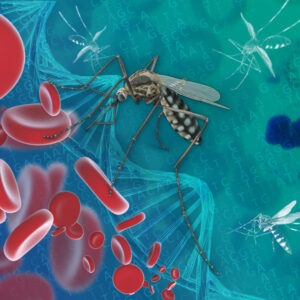
A mother’s urgent journey to seek care for her child with severe malaria highlights the everyday reality faced by many families in Angola. While timely treatment saved her son, malaria continues to claim thousands of lives across the country, particularly among children under five and pregnant women. With millions of cases and thousands of deaths recorded in 2025, the disease remains the leading public health threat.
Despite its severity, malaria is preventable and treatable through existing tools such as insecticide-treated bed nets, early diagnosis, and effective treatment. The planned introduction of a malaria vaccine marks an important step forward, strengthening efforts to protect vulnerable populations—especially infants—and reduce mortality rates.
During World Malaria Day and African Immunization Week celebrations held in Cazenga, government leaders emphasized the importance of combining malaria control with expanded immunization. The events included community-focused activities such as vaccinations, medical consultations, and rapid malaria testing, reinforcing the importance of prevention and access to timely healthcare.
Health officials and international representatives stressed that the main challenge is no longer a lack of solutions, but ensuring equitable access to them. While Angola has a broad immunization program covering multiple diseases, significant gaps remain, including hundreds of thousands of children who have not received any vaccines. Ongoing campaigns aim to strengthen routine immunization, reach underserved populations, and expand protection against diseases such as cervical cancer.
Vaccination continues to be one of the most effective public health interventions, saving millions of lives globally. However, uneven progress highlights the need for stronger health systems, increased investment, and coordinated action to ensure that all communities benefit equally.
The broader response to malaria and vaccination in Angola underscores the importance of leadership, funding, and community involvement. By bringing together government agencies, international partners, healthcare workers, and local communities, the country aims to accelerate progress and ensure that preventable diseases no longer result in avoidable deaths.