A malnutrition outbreak has been reported at a displacement camp in Somalia’s Gedo district, where at least one death has been confirmed as severe drought conditions continue to worsen across the region. Humanitarian workers warn that without urgent and increased aid, more lives are at risk. The crisis has been driven by four consecutive failed rainy seasons, which have destroyed crops, livestock, and water sources, forcing millions of people to leave their homes in search of food and assistance.
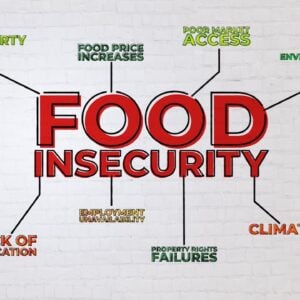
The situation at Iftin camp near Bardhere, where thousands of displaced families have gathered, is especially critical. Aid workers from Islamic Relief report that many arrivals are severely weakened after walking long distances of 50 to 60 kilometers to reach safety. Local assessments indicate that around 80% of people in the district are surviving on just one meal a day, highlighting the severity of food insecurity in the area. Aid agencies are providing food and cash support, but officials say assistance remains far below what is needed to meet growing demand.
The human impact is severe, with children and elderly people living in harsh conditions under extreme heat and inadequate shelter. Parents are often skipping meals so that their children can eat, but many still arrive at the camp in critical condition. Aid workers describe overwhelming exhaustion among new arrivals, with many close to starvation upon reaching the camp.
Interviews with displaced families reveal the depth of the crisis. Many have lost their livestock and livelihoods due to drought and have undertaken long, exhausting journeys in search of survival. Mothers describe being unable to feed their children despite their desperate needs, reflecting the broader breakdown of food security and basic living conditions in affected areas.
The crisis is part of a wider humanitarian emergency across the Horn of Africa, where drought conditions are also affecting Kenya and Ethiopia. In Somalia alone, acute hunger has doubled since last year, now affecting an estimated 6.5 million people, while millions of children under five are at risk of acute malnutrition. Humanitarian agencies warn that ongoing funding shortages are severely limiting the response, with current international aid levels far below what is required to address the scale of the crisi