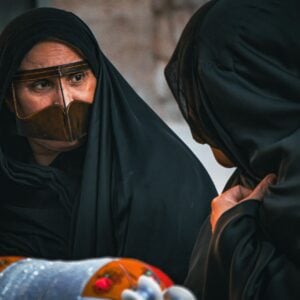
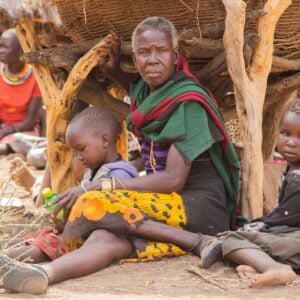
In Southern Libya, women entrepreneurs are emerging as key drivers of peacebuilding and economic recovery, despite facing long-standing barriers such as limited access to finance, high unemployment, and entrenched social stereotypes. Supported through a UN Peacebuilding Fund initiative, these women are using vocational training and small business creation not only to improve their livelihoods but also to strengthen social cohesion and community stability.
One of the beneficiaries, 20-year-old Maryam from Ubari, represents this new wave of change. After completing high school with limited job opportunities, she joined a UN-supported entrepreneurship and cookery training programme after learning about it through her community. Motivated by a desire for self-improvement and independence, she developed the skills needed to launch her own small bakery, which now provides her with income and growing confidence.
The programme, implemented by UNDP, IOM, UNICEF, and WFP with $5 million in funding from the UN Peacebuilding Fund, is the first integrated peacebuilding and livelihoods initiative in Southern Libya. It focuses on strengthening local peace structures while creating sustainable job opportunities for women and youth through training, cash support, and entrepreneurship development across municipalities such as Sebha, Ghat, and Ubari.
A total of 2,879 young people, including a significant proportion of young women, have been trained through the project, alongside 92 women who received vocational skills and business toolkits. In addition, hundreds of participants engaged in entrepreneurship sessions, start-up events, and innovation challenges designed to build practical business skills and encourage inclusive economic participation. Several small businesses have also received financial support to expand their operations.
Beyond technical training, the programme integrates peacebuilding principles into economic activities by helping participants understand how business practices can either reduce or increase social tensions. This approach aims to ensure that economic growth also contributes to stability, inclusion, and cooperation within communities.
For Maryam, the impact extends beyond personal success. Her bakery not only supports her household but also contributes to the local agricultural economy and helps preserve traditional food practices. She and other participants report increased feelings of safety, improved community relations, and stronger social trust as a result of the initiative.
Overall, the project demonstrates how investing in women-led entrepreneurship and youth skills development can generate income opportunities while simultaneously fostering peace, reducing tensions, and strengthening community resilience in post-conflict settings like Southern Libya.