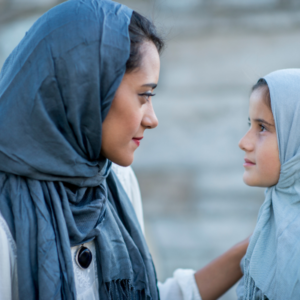
Around the world, millions of women and girls continue to face violence, discrimination, and systemic abuse. In many cases, legal systems fail to protect them, leaving survivors without recourse, while perpetrators go unpunished. Women are frequently denied equal pay, inheritance, and land rights, and even when laws exist, they often do not translate into real protection. The result is widespread impunity that perpetuates harm and entrenches gender inequality.
Impunity occurs when perpetrators are not held accountable, when survivors are denied recognition or redress, and when laws fail to protect or even discriminate against women and girls. Globally, no country has achieved full legal equality, and legal gaps often reinforce unequal power dynamics. This systemic failure allows violence and discrimination to persist, with women often silenced by fear, social pressure, stigma, financial barriers, and lack of legal representation. The situation is compounded for women facing intersecting forms of discrimination, including those affected by race, disability, migration status, or conflict.
Justice for women is not limited to criminal courts. Civil and administrative systems—covering family law, employment, housing, and benefits—play a critical role in ensuring safety, income, and autonomy. When these systems fail, women’s access to essential rights is blocked, leaving them vulnerable to repeated harm. Effective access to justice ensures protection, dignity, remedies, and prevention, helping stop cycles of violence, hold abusers accountable, and create safer communities.
Justice systems often mirror societal power imbalances. Survivors may face intense scrutiny while perpetrators avoid consequences, and courts can fail to understand or consider women’s realities. In some countries, legal systems actively restrict women’s rights, as seen under Taliban rule in Afghanistan, or in cases where survivors of sexual violence in conflict zones face almost complete impunity, such as in Sudan. Crisis and conflict situations further weaken accountability, leaving women and girls exposed to escalating violence without protection.
Real justice for women and girls requires laws that protect rather than punish survivors, coordinated systems across police, courts, legal aid, and social services, and preventive measures to stop violence before it escalates. Accessible and affordable legal aid, gender-disaggregated data, and sustained funding are essential for ensuring rights are enforceable in practice. Independent women’s rights organizations are central to driving systemic change, but they face ongoing challenges from underfunding and anti-gender backlash.
Ultimately, the fight for justice demands holding perpetrators accountable, listening to survivors, removing discriminatory laws, confronting bias, and investing in prevention and protection. By supporting women and organizations pushing for systemic change, societies can ensure that justice is accessible, equitable, and effective, creating a safer and more just world for all women and girls.