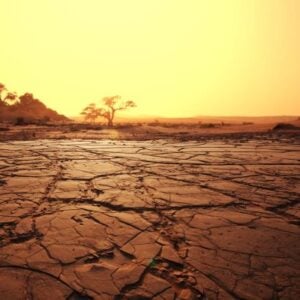
According to the latest analysis by the IPC food security monitoring platform, more than 1.8 million children under five in Somalia are at risk of acute malnutrition between now and June 2026. This alarming situation follows the failed October–December Deyr rains, which sharply reduced crop production, leaving poor farmers, pastoralists, and internally displaced people particularly vulnerable.
Drought, ongoing conflict, and insecurity across central, southern, and parts of northern Somalia have displaced communities, disrupted livelihoods, and limited access to markets. These challenges are compounded by rising local and imported food prices and a reduction in humanitarian assistance, leaving millions struggling to meet basic needs.
The IPC, a UN-backed initiative that classifies food insecurity from Phase 1 (minimal) to Phase 5 (famine), estimates that 6.5 million Somalis are now facing acute food insecurity (Phase 3 and above), nearly double the 3.4 million recorded in the first quarter of 2025. Over two million people are at emergency levels (Phase 4), particularly among pastoral and agropastoral communities in northern, central, and southern regions, who are relying on crisis or emergency coping strategies.
Among the affected, 1.84 million children are expected to suffer from acute malnutrition, with 483,000 cases of severe acute malnutrition, also called severe wasting—the deadliest form of malnutrition according to UNICEF. The crisis is projected to worsen during the dry Jilaal season, the hottest period of the year, before gradually improving during the Gu rains from April to June, although gains will be uneven across regions.
The IPC calls for urgent scaling up of lifesaving humanitarian aid, especially in hotspot areas where high levels of food insecurity and malnutrition intersect. Recommendations include expanding support to rural and underserved areas, strengthening coordinated responses that combine food security, nutrition, health, and WASH interventions, and improving targeting to ensure aid reaches those most in need.