• Skip to primary navigation
  • Skip to main content
  • Skip to primary sidebar

fundsforNGOs News

Grants and Resources for Sustainability

  • Subscribe for Free
  • Premium Support
  • Premium Login
  • Premium Sign up
  • Home
  • Funds for NGOs
    • Agriculture, Food and Nutrition
    • Animals and Wildlife
    • Arts and Culture
    • Children
    • Civil Society
    • Community Development
    • COVID
    • Democracy and Good Governance
    • Disability
    • Economic Development
    • Education
    • Employment and Labour
    • Environmental Conservation and Climate Change
    • Family Support
    • Healthcare
    • HIV and AIDS
    • Housing and Shelter
    • Humanitarian Relief
    • Human Rights
    • Human Service
    • Information Technology
    • LGBTQ
    • Livelihood Development
    • Media and Development
    • Narcotics, Drugs and Crime
    • Old Age Care
    • Peace and Conflict Resolution
    • Poverty Alleviation
    • Refugees, Migration and Asylum Seekers
    • Science and Technology
    • Sports and Development
    • Sustainable Development
    • Water, Sanitation and Hygiene (WASH)
    • Women and Gender
  • Funds for Companies
    • Accounts and Finance
    • Agriculture, Food and Nutrition
    • Artificial Intelligence
    • Education
    • Energy
    • Environment and Climate Change
    • Healthcare
    • Innovation
    • Manufacturing
    • Media
    • Research Activities
    • Startups and Early-Stage
    • Sustainable Development
    • Technology
    • Travel and Tourism
    • Women
    • Youth
  • Funds for Individuals
    • All Individuals
    • Artists
    • Disabled Persons
    • LGBTQ Persons
    • PhD Holders
    • Researchers
    • Scientists
    • Students
    • Women
    • Writers
    • Youths
  • Funds in Your Country
    • Funds in Australia
    • Funds in Bangladesh
    • Funds in Belgium
    • Funds in Canada
    • Funds in Switzerland
    • Funds in Cameroon
    • Funds in Germany
    • Funds in the United Kingdom
    • Funds in Ghana
    • Funds in India
    • Funds in Kenya
    • Funds in Lebanon
    • Funds in Malawi
    • Funds in Nigeria
    • Funds in the Netherlands
    • Funds in Tanzania
    • Funds in Uganda
    • Funds in the United States
    • Funds within the United States
      • Funds for US Nonprofits
      • Funds for US Individuals
      • Funds for US Businesses
      • Funds for US Institutions
    • Funds in South Africa
    • Funds in Zambia
    • Funds in Zimbabwe
  • Proposal Writing
    • How to write a Proposal
    • Sample Proposals
      • Agriculture
      • Business & Entrepreneurship
      • Children
      • Climate Change & Diversity
      • Community Development
      • Democracy and Good Governance
      • Disability
      • Disaster & Humanitarian Relief
      • Environment
      • Education
      • Healthcare
      • Housing & Shelter
      • Human Rights
      • Information Technology
      • Livelihood Development
      • Narcotics, Drugs & Crime
      • Nutrition & Food Security
      • Poverty Alleviation
      • Sustainable Develoment
      • Refugee & Asylum Seekers
      • Rural Development
      • Water, Sanitation and Hygiene (WASH)
      • Women and Gender
  • News
    • Q&A
  • Premium
    • Premium Log-in
    • Premium Webinars
    • Premium Support
  • Contact
    • Submit Your Grant
    • About us
    • FAQ
    • NGOs.AI
You are here: Home / cat / UNICEF Warns Children at Severe Risk as Conflict Disrupts Aid and Health Services

UNICEF Warns Children at Severe Risk as Conflict Disrupts Aid and Health Services

Dated: February 4, 2026

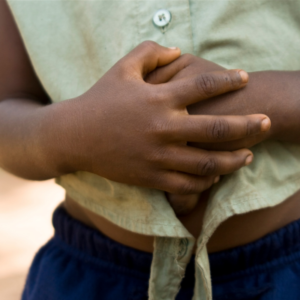
UNICEF has raised serious concerns over the impact of ongoing violent clashes on women and children, warning that access constraints are worsening an already dire humanitarian situation. Aid delivery remains severely limited due to restrictions on river, road, and air travel, while health services continue to deteriorate. Several counties are close to exhausting therapeutic food supplies, multiple health facilities have shut down due to conflict, and incidents of looting of health and nutrition materials have been reported. UNICEF emphasized that malnourished children without treatment face dramatically higher mortality risks, underscoring the urgency of unhindered humanitarian access.

Despite these challenges, UNICEF continues to provide life-saving assistance, including the delivery of water purification equipment amid cholera risks, malaria treatments, emergency health kits, and therapeutic food. These efforts aim to reach more than 10,000 vulnerable people, reflecting ongoing attempts to mitigate the humanitarian impact even as insecurity persists.

Separately, UNICEF has strongly condemned a wave of violent attacks in Pakistan’s Balochistan province that reportedly killed and injured children. The organization stressed that children must never be targets or collateral damage and expressed condolences to affected families and communities. UNICEF warned that escalating violence is spreading fear and placing an immense burden on children and families, calling for stronger protection of civilians.

The attacks, which occurred at the end of January, were also condemned by the UN Security Council, which described them as acts of terrorism and expressed deep sympathy to the victims, their families, and the people of Pakistan. Civilian casualties included women and children, highlighting the severe humanitarian toll of the violence. The Council reaffirmed the need for accountability and protection of civilians under international law.

In a separate development, governments and industry leaders from over 70 countries reaffirmed their commitment to protecting submarine cables, which carry most of the world’s digital traffic. Meeting at an international summit in Portugal, participants adopted a declaration and recommendations to strengthen cooperation, improve resilience, and safeguard the global network of undersea cables critical to the digital economy.

The summit emphasized the importance of reliable connectivity, particularly for remote and underserved regions that are highly vulnerable to cable disruptions. Participants highlighted the need for faster repair times, improved preparedness, and sustained investment, noting that coordinated global action is essential to protect digital infrastructure that underpins modern communication, economic activity, and development worldwide.
Related Posts

  • Gaza Crisis “Dire,” UN Reports Children Hit Hardest
  • Somalia on the Brink: Children Face Catastrophic Hunger as Drought, Funding Cuts Deepen Crisis
  • UNICEF Supports Education in Zimbabwe with ICT Device Donation
  • Support for Families: Government Funds Travel for Children Battling Cancer
  • Protecting Young Lungs: Mongolia’s Fight for Cleaner Air

Primary Sidebar

Latest News

Lebanon Sees Surge in Psychological Distress, IRC Steps Up Aid

China Pledges $1.1M for WTO Accession and LDC Support

Circular Economy in Argentina’s Producers Network

Shaping Community Health: Mental Health Perspectives

15 Countries Join Panama Workshop to Strengthen Avian Flu Monitoring in the Americas

Adapting Climate Finance in China: Lessons from Mitigation

Georgia Public Health Review: Insights from Four States

Aid Agencies Warn: Millions Displaced, Funding at Risk

Parametric Flood Insurance Now Protects Lagos Residents

GBFF Launches $73M Global Biodiversity Projects

João Varela Women’s Strength Embodied by Isabel

WHO Supports Mauritius in Health Labour Market Analysis

DRC Promotes Inclusion for People Affected by Leprosy

Angola Launches Polio Vaccination for 9 Million Children

Ensuring Safe Food in Cameroon

Advancing Refugee and Migrant Health: Key Policy Updates

Ghana’s Ci Gaba Fund Secures $34.9M to Boost West African SMEs

EIB funds Stockholm project to cut wastewater pollution in Baltic Sea

Slovakia: EIB lends €150M to ČSOB Leasing for SME green investments

Exabler Secures £500,000 from Digital Catapult

Online Gender-Based Violence Rising in Palestine

Yemen Faces Famine After 11 Years of Crisis

Londoners Get New Support Ahead of Renters’ Rights Act

Nigeria, GPE Convene Private Sector Roundtable on Education Funding

Rural Youth in Zimbabwe Tackle Period Poverty

Financial Support for Clean Cooking in 100 Access-Deficit Countries

Networking for Climate Policy, Finance and Peace

Czech Public Media Funding Reform Faces International Criticism

US Global Health Funding Cuts Called International Public Health Emergency

Compass Adds R&D Funding Data for Women’s Health and Emerging Diseases

Affordable Finance Key to Scaling Clean Cooking Solutions

Nigeria Maiduguri Bombings Highlight New Threat to Civilians

Middle East Conflict: Violations of the Laws of War Intensify

India’s Transgender Rights Bill Called a Huge Setback

European Parliament Approves New EU Deportation Plans

Landmark US Ruling Pressures YouTube and Meta on Online Safety

Minister Anand Announces New Canada Sanctions Against Iran

Canada Announces $738.9M for First Nations Health and Governance

Canada Supports Black Entrepreneurs in Saskatchewan

Canada Boosts Housing Supply to Improve Affordability

Funds for NGOs
Funds for Companies
Funds for Media
Funds for Individuals
Sample Proposals

Contact us
Submit a Grant
Advertise, Guest Posting & Backlinks
Fight Fraud against NGOs
About us

Terms of Use
Third-Party Links & Ads
Disclaimers
Copyright Policy
General
Privacy Policy

Premium Sign in
Premium Sign up
Premium Customer Support
Premium Terms of Service

©FUNDSFORNGOS LLC.   fundsforngos.org, fundsforngos.ai, and fundsforngospremium.com domains and their subdomains are the property of FUNDSFORNGOS, LLC 1018, 1060 Broadway, Albany, New York, NY 12204, United States.   Unless otherwise specified, this website is not affiliated with the abovementioned organizations. The material provided here is solely for informational purposes and without any warranty. Visitors are advised to use it at their discretion. Read the full disclaimer here. Privacy Policy. Cookie Policy.