• Skip to primary navigation
  • Skip to main content
  • Skip to primary sidebar

fundsforNGOs News

Grants and Resources for Sustainability

  • Subscribe for Free
  • Premium Support
  • Premium Login
  • Premium Sign up
  • Home
  • Funds for NGOs
    • Agriculture, Food and Nutrition
    • Animals and Wildlife
    • Arts and Culture
    • Children
    • Civil Society
    • Community Development
    • COVID
    • Democracy and Good Governance
    • Disability
    • Economic Development
    • Education
    • Employment and Labour
    • Environmental Conservation and Climate Change
    • Family Support
    • Healthcare
    • HIV and AIDS
    • Housing and Shelter
    • Humanitarian Relief
    • Human Rights
    • Human Service
    • Information Technology
    • LGBTQ
    • Livelihood Development
    • Media and Development
    • Narcotics, Drugs and Crime
    • Old Age Care
    • Peace and Conflict Resolution
    • Poverty Alleviation
    • Refugees, Migration and Asylum Seekers
    • Science and Technology
    • Sports and Development
    • Sustainable Development
    • Water, Sanitation and Hygiene (WASH)
    • Women and Gender
  • Funds for Companies
    • Accounts and Finance
    • Agriculture, Food and Nutrition
    • Artificial Intelligence
    • Education
    • Energy
    • Environment and Climate Change
    • Healthcare
    • Innovation
    • Manufacturing
    • Media
    • Research Activities
    • Startups and Early-Stage
    • Sustainable Development
    • Technology
    • Travel and Tourism
    • Women
    • Youth
  • Funds for Individuals
    • All Individuals
    • Artists
    • Disabled Persons
    • LGBTQ Persons
    • PhD Holders
    • Researchers
    • Scientists
    • Students
    • Women
    • Writers
    • Youths
  • Funds in Your Country
    • Funds in Australia
    • Funds in Bangladesh
    • Funds in Belgium
    • Funds in Canada
    • Funds in Switzerland
    • Funds in Cameroon
    • Funds in Germany
    • Funds in the United Kingdom
    • Funds in Ghana
    • Funds in India
    • Funds in Kenya
    • Funds in Lebanon
    • Funds in Malawi
    • Funds in Nigeria
    • Funds in the Netherlands
    • Funds in Tanzania
    • Funds in Uganda
    • Funds in the United States
    • Funds within the United States
      • Funds for US Nonprofits
      • Funds for US Individuals
      • Funds for US Businesses
      • Funds for US Institutions
    • Funds in South Africa
    • Funds in Zambia
    • Funds in Zimbabwe
  • Proposal Writing
    • How to write a Proposal
    • Sample Proposals
      • Agriculture
      • Business & Entrepreneurship
      • Children
      • Climate Change & Diversity
      • Community Development
      • Democracy and Good Governance
      • Disability
      • Disaster & Humanitarian Relief
      • Environment
      • Education
      • Healthcare
      • Housing & Shelter
      • Human Rights
      • Information Technology
      • Livelihood Development
      • Narcotics, Drugs & Crime
      • Nutrition & Food Security
      • Poverty Alleviation
      • Sustainable Develoment
      • Refugee & Asylum Seekers
      • Rural Development
      • Water, Sanitation and Hygiene (WASH)
      • Women and Gender
  • News
    • Q&A
  • Premium
    • Premium Log-in
    • Premium Webinars
    • Premium Support
  • Contact
    • Submit Your Grant
    • About us
    • FAQ
    • NGOs.AI
You are here: Home / cat / Advancing GEM Parboiling and Rice By-Product Innovations: Lessons Learned from 2022 to 2025

Advancing GEM Parboiling and Rice By-Product Innovations: Lessons Learned from 2022 to 2025

Dated: January 9, 2026

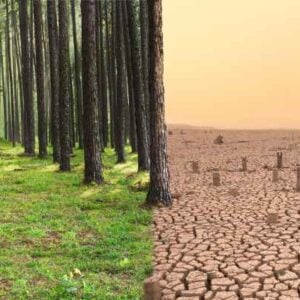
Climate change is placing increasing pressure on Mali’s rice production systems through irregular rainfall, droughts, rising temperatures, and flooding, which undermine productivity and household incomes. While much attention has focused on improving production, post-harvest stages remain highly vulnerable, particularly for women who dominate rice processing. These women face challenges such as inefficient parboiling equipment, health risks from smoke exposure, low profitability, and high post-harvest losses, all of which are exacerbated by climate stress and market instability.

The GEM parboiling technology developed by AfricaRice offers a climate-smart and gender-responsive solution to these challenges. By improving energy efficiency, reducing drudgery, eliminating smoke exposure, and enhancing rice quality and milling recovery, GEM transforms parboiling into a viable economic activity. As women play a central role in post-harvest processing and household livelihoods, the technology contributes not only to higher incomes and food security but also to women’s empowerment, improved nutrition, and greater resilience to climate shocks.

In addition to parboiling improvements, the utilization of rice by-products strengthens circular and climate-smart agricultural practices. Rice husks are used as biofuel, rice straw is repurposed for compost and livestock feed, and broken rice grains are processed into nutrient-rich foods. These practices reduce waste, improve soil health, diversify household diets, and create additional income streams at a time when Mali is facing growing food and nutrition insecurity.

To support the wider adoption of these innovations, a capacity-building workshop was held in Bamako on 22 November 2025. The workshop brought together researchers, extension agents, women processors, and representatives from government and non-government organizations across major rice-producing regions. Through practical demonstrations and participatory learning, the initiative strengthened technical skills, promoted safe and efficient use of GEM equipment, and reinforced national efforts toward rice self-sufficiency under the AICCRA project.

Participants gained a clearer understanding of GEM parboiling as a climate-smart and gender-sensitive innovation that improves rice quality while reducing environmental and health risks. The training highlighted the contrast with traditional parboiling methods and showed how GEM technology lowers firewood use, minimizes smoke exposure, reduces post-harvest losses, and enhances grain quality. These improvements position GEM parboiling as both a livelihood opportunity and a response to climate and gender inequalities.

Technical demonstrations emphasized standardized procedures and quality control, enabling participants to produce parboiled rice that meets market standards. Improved moisture management and reduced grain breakage were shown to significantly increase milling recovery, while better nutritional retention and shelf life enhanced the overall value of the final product. Economic analyses shared during the workshop underscored the strong profitability of GEM parboiling compared to traditional systems.

The workshop also documented notable scaling achievements between 2022 and 2025 under the AICCRA project. Women-led cooperatives operating GEM units reported increased production volumes, higher monthly revenues, and greater profits per ton of rice processed. These gains have strengthened household incomes and demonstrated the commercial viability of climate-smart post-harvest technologies.

Gender empowerment emerged as one of the most significant outcomes of GEM adoption. Women experienced reduced physical strain and health risks, greater economic autonomy, stronger leadership within cooperatives, and improved household wellbeing. Increased incomes enabled better spending on food, education, and healthcare, reinforcing the broader social benefits of the technology.

At the same time, participants identified constraints that continue to limit scaling, including challenges related to fuel availability, equipment maintenance, drying infrastructure, cooperative governance, access to finance, and market linkages. Lessons learned from the 2022–2025 period emphasized the importance of standardized practices, continuous training, women’s ownership and leadership, and sustained institutional and financial support.

Overall, the workshop highlighted the transformative potential of GEM parboiling and rice by-product innovations to enhance women’s livelihoods, improve rice quality, and build climate resilience in Mali. The insights generated provide a strong foundation for future scaling efforts and support Mali’s ongoing pursuit of climate-resilient and inclusive rice self-sufficiency.

Related Posts

  • Enhancing Rice Productivity in Mali: Insights from Scaling Resilient Varieties, Good Agricultural Practices, and Pest Management
  • Bangladesh Takes Key Steps Toward Developing Its First Climate Finance Strategy
  • Egypt Boosts Climate Finance with $750 Million Green Bond Backed by EIB and UNDP
  • When Systems Meet People: Transforming Everyday Life in India in 2025
  • Direct Access to Climate Finance: Lessons for Strengthening National Institutions

Primary Sidebar

Latest News

Middle East Conflict: Women and Girls Face Severe Health Risks

Severe Drought in Northern Kenya Escalates, IPC Report Shows

The Hidden Impact of Gender Equity NGO Closures

£1.5m Pride in Place Impact Fund: Ipswich Council Announces Plans

Driving Social Impact Through Private Investment

Promoting Civil Society: The Role of the UN Committee

Yemen: Authorities Accused of Using Excessive Force on Protesters

USA/Iran: Accountability Demanded for Deadly School Missile Strike

Meta Content Delays in Bangladesh May Fuel Real-World Harm

Strengthening Guinea-Bissau’s Cashew Value Chain via FAO Support

Ghana Strengthens Rotavirus Surveillance to Protect Vaccine Gains

Health Minister and WHO Visit Lakes and Warrap to Boost Services

EIB Invests €40 Million in Speedinvest to Boost African Tech Startups

Nearly 30 New Initiatives Preserve Central Asia’s Cultural Heritage

EU Pledges €458 Million in Humanitarian Aid for Middle East

Hildegarde Naughton Launches €100k Funding for Music Education

Major Funding Boost Aims to Divert Women from Crime

£50m Boost to Help Families with Rising Heating Oil Costs

UK Announces Urgent Aid Package to Support Lebanon

UK Unleashes £1.4bn to Protect Homes and Businesses from Floods

Rising Energy Costs Highlight Need for Renewables, Says UN

Middle East Conflict Fuels Rising Civilian Toll

Glimmer of Hope in Haiti as Gang Frontlines Shift

Breaking the Cycle of Addiction: Ontario’s Community Action

Kyrgyzstan Expands Healthcare Access for Communities

ILO Warns of Job Risks as Nepal Approaches LDC Graduation

ILO and Cuba Partner to Support Persons with Disabilities in Zambia

Air Quality in Uttar Pradesh to Improve Through World Bank Initiative

Boosting Competitiveness and Mining Sustainability in Peru

New Trade Finance Initiative Strengthens Angola’s Economy

INITIATE²: West Africa Boosts Outbreak Preparedness in Dakar

CSW70: Advancing Girls’ Education for Peace in Africa

Pandemic Fund: Strengthening Global Health Security

Uganda NGOs Face Uncertain Future Amid Funding Cuts, Tight Regulations, and Donor Exit

$80 Billion at Risk as Global TB Funding Declines, Study Reveals

NGOs Warn Lebanon on Brink of Humanitarian Crisis Amid Escalation and Mass Displacement

Syria Crisis After 15 Years: Humanitarian Needs Remain Critical Despite Political Change

Czech Government Moves to Tighten NGO Law Amid Transparency Debate and Opposition Criticism

Uganda Freezes NGO Bank Accounts as FIA Investigates Funding Sources and Financial Irregularities

NGO Empowers 60 Lagos Residents with Vocational Skills to Boost Livelihoods and Prevent Child Labour

Funds for NGOs
Funds for Companies
Funds for Media
Funds for Individuals
Sample Proposals

Contact us
Submit a Grant
Advertise, Guest Posting & Backlinks
Fight Fraud against NGOs
About us

Terms of Use
Third-Party Links & Ads
Disclaimers
Copyright Policy
General
Privacy Policy

Premium Sign in
Premium Sign up
Premium Customer Support
Premium Terms of Service

©FUNDSFORNGOS LLC.   fundsforngos.org, fundsforngos.ai, and fundsforngospremium.com domains and their subdomains are the property of FUNDSFORNGOS, LLC 1018, 1060 Broadway, Albany, New York, NY 12204, United States.   Unless otherwise specified, this website is not affiliated with the abovementioned organizations. The material provided here is solely for informational purposes and without any warranty. Visitors are advised to use it at their discretion. Read the full disclaimer here. Privacy Policy. Cookie Policy.