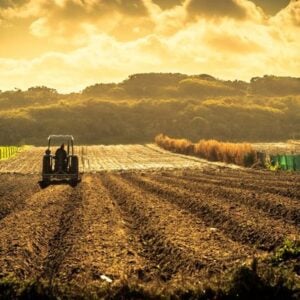
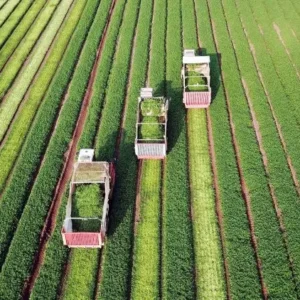
Myanmar’s opium crop has surged to its highest level in a decade, reflecting the country’s ongoing conflict and fragile economy. According to the Myanmar Opium Survey 2025, poppy cultivation increased by 17 per cent over the past year, from 45,200 hectares in 2024 to 53,100 hectares in 2025, reversing a brief dip and continuing a steady upward trend since 2020.
Delphine Schantz, head of the UN Office on Drugs and Crime (UNODC) for Southeast Asia and the Pacific, described the situation as a “critical moment,” highlighting that the expansion signals both the resilience and potential growth of Myanmar’s illicit opium economy.
The largest increases occurred in East Shan and Chin states, where cultivation rose 32 and 26 per cent respectively, areas heavily affected by armed conflict and limited state presence. South Shan remains the country’s main growing area, accounting for 44 per cent of all poppy fields, while significant new cultivation has been recorded in Sagaing region, the epicentre of post-2021 unrest.
Myanmar’s total opium output in 2025 is estimated at 1,010 metric tons — more than double Afghanistan’s current level following a Taliban ban on cultivation. Despite falling yields in some conflict-affected areas, rising prices make opium a critical survival crop, with national farmgate prices averaging $365 per kilogram and total farmer earnings estimated between $300 million and $487 million.
UNODC warns that without viable alternative livelihoods, the cycle of poverty and dependence on illicit cultivation will persist. Meanwhile, Myanmar’s heroin is increasingly reaching European markets, and the country remains a hub for synthetic drugs, including methamphetamine and ketamine, posing a major challenge for regional and global drug control.
“What happens in Myanmar will shape drug markets in the region and far beyond, and requires urgent action,” Ms. Schantz emphasized.