You are here: Home/cat/ UNDP and Kyrgyzstan Strengthen Climate Resilience Through Early Warning Systems
UNDP and Kyrgyzstan Strengthen Climate Resilience Through Early Warning Systems
Climate resilience efforts in Kyrgyzstan are being strengthened through collaboration between the United Nations Development Programme and the Ministry of Emergency Situations (MES), following a series of destructive mudslides that have highlighted the country’s vulnerability to climate-related disasters.
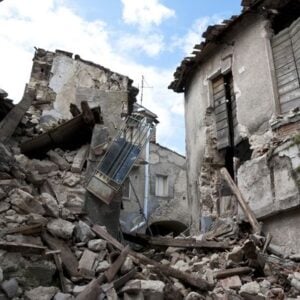
On 14 July 2024, mudslides from the Ak-Buura River overflowed into residential areas of Osh city, resulting in five deaths and significant infrastructure damage. The disaster underscored the urgent need for stronger early warning systems and faster emergency response mechanisms across high-risk regions.
In response, the government and the United Nations Development Programme have been working to enhance monitoring systems and disaster preparedness infrastructure. These efforts align with global commitments under the Sendai Framework and the Paris Agreement, reflecting a shift from reactive disaster response toward proactive risk forecasting and prevention.
A key part of the initiative is the expansion of early warning and hydrological monitoring systems. With UNDP support, Kyrgyzstan has installed multiple real-time monitoring stations, including a hydrological radar in the village of Ozgur, which tracks river conditions and transmits data directly to the National Emergency Management Center. These systems help authorities detect rising risks earlier and improve response times during extreme weather events.
The partnership also focuses on strengthening local disaster preparedness. In vulnerable areas such as the Batken region, where repeated mudslides have caused ongoing disruption, UNDP supported a co-financing model for emergency equipment. Under this arrangement, half the funding came from national and local governments, while the remainder was supported by UNDP, helping improve local response capacity.
Officials emphasize that resilience depends not only on emergency response but also on long-term investment in monitoring, forecasting, and community preparedness. As climate risks intensify, such systems are becoming essential for protecting lives, infrastructure, and economic stability.
To date, eight early warning and notification stations have been installed across Kyrgyzstan with UNDP support, significantly improving the country’s ability to monitor hazardous natural events. These systems are designed to integrate national planning, local capacity, and real-time data into a unified disaster risk management framework.
The initiative highlights how flexible funding mechanisms and international cooperation can help bridge critical gaps in infrastructure development. By combining government resources with development assistance, Kyrgyzstan is building a more coordinated and proactive approach to climate risk management, shifting from disaster response toward prevention and resilience-building.