• Skip to primary navigation
  • Skip to main content
  • Skip to primary sidebar

fundsforNGOs News

Grants and Resources for Sustainability

  • Subscribe for Free
  • Premium Support
  • Premium Login
  • Premium Sign up
  • Home
  • Funds for NGOs
    • Agriculture, Food and Nutrition
    • Animals and Wildlife
    • Arts and Culture
    • Children
    • Civil Society
    • Community Development
    • COVID
    • Democracy and Good Governance
    • Disability
    • Economic Development
    • Education
    • Employment and Labour
    • Environmental Conservation and Climate Change
    • Family Support
    • Healthcare
    • HIV and AIDS
    • Housing and Shelter
    • Humanitarian Relief
    • Human Rights
    • Human Service
    • Information Technology
    • LGBTQ
    • Livelihood Development
    • Media and Development
    • Narcotics, Drugs and Crime
    • Old Age Care
    • Peace and Conflict Resolution
    • Poverty Alleviation
    • Refugees, Migration and Asylum Seekers
    • Science and Technology
    • Sports and Development
    • Sustainable Development
    • Water, Sanitation and Hygiene (WASH)
    • Women and Gender
  • Funds for Companies
    • Accounts and Finance
    • Agriculture, Food and Nutrition
    • Artificial Intelligence
    • Education
    • Energy
    • Environment and Climate Change
    • Healthcare
    • Innovation
    • Manufacturing
    • Media
    • Research Activities
    • Startups and Early-Stage
    • Sustainable Development
    • Technology
    • Travel and Tourism
    • Women
    • Youth
  • Funds for Individuals
    • All Individuals
    • Artists
    • Disabled Persons
    • LGBTQ Persons
    • PhD Holders
    • Researchers
    • Scientists
    • Students
    • Women
    • Writers
    • Youths
  • Funds in Your Country
    • Funds in Australia
    • Funds in Bangladesh
    • Funds in Belgium
    • Funds in Canada
    • Funds in Switzerland
    • Funds in Cameroon
    • Funds in Germany
    • Funds in the United Kingdom
    • Funds in Ghana
    • Funds in India
    • Funds in Kenya
    • Funds in Lebanon
    • Funds in Malawi
    • Funds in Nigeria
    • Funds in the Netherlands
    • Funds in Tanzania
    • Funds in Uganda
    • Funds in the United States
    • Funds within the United States
      • Funds for US Nonprofits
      • Funds for US Individuals
      • Funds for US Businesses
      • Funds for US Institutions
    • Funds in South Africa
    • Funds in Zambia
    • Funds in Zimbabwe
  • Proposal Writing
    • How to write a Proposal
    • Sample Proposals
      • Agriculture
      • Business & Entrepreneurship
      • Children
      • Climate Change & Diversity
      • Community Development
      • Democracy and Good Governance
      • Disability
      • Disaster & Humanitarian Relief
      • Environment
      • Education
      • Healthcare
      • Housing & Shelter
      • Human Rights
      • Information Technology
      • Livelihood Development
      • Narcotics, Drugs & Crime
      • Nutrition & Food Security
      • Poverty Alleviation
      • Sustainable Develoment
      • Refugee & Asylum Seekers
      • Rural Development
      • Water, Sanitation and Hygiene (WASH)
      • Women and Gender
  • News
    • Q&A
  • Premium
    • Premium Log-in
    • Premium Webinars
    • Premium Support
  • Contact
    • Submit Your Grant
    • About us
    • FAQ
    • NGOs.AI
You are here: Home / cat / Addressing Psychosocial Impacts on Honduran Children: Mental Health First Aid for Climate and COVID-19

Addressing Psychosocial Impacts on Honduran Children: Mental Health First Aid for Climate and COVID-19

Dated: December 30, 2025

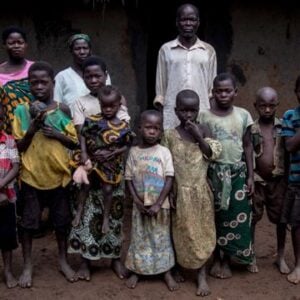
In November 2020, Honduras was hit by back-to-back hurricanes Eta and Iota, compounding the socioeconomic strain already caused by the COVID-19 pandemic. These storms triggered overflowing rivers, flooding, and landslides, resulting in severe economic and non-economic losses for families, particularly affecting livelihoods in agriculture, industry, and tourism, as well as critical infrastructure such as homes, schools, health-care facilities, and WASH systems. More than 40 percent of the population was affected, with over half a million people evacuated or placed in temporary shelters. Children and adolescents were disproportionately impacted, experiencing disrupted education, food insecurity, increased domestic violence, psychosocial stress, and heightened vulnerability due to displacement and loss of family members.

The combined macroeconomic impact of the hurricanes and the pandemic led to an 8.2 percent drop in GDP in 2020, with recovery funding covering only 12 percent of the estimated $2.1 billion in damages. Existing resources, including loans for sustainable development, were redirected toward emergency response, which slowed long-term recovery and reduced adaptive capacity, leaving children and families particularly vulnerable to climate-related shocks.

In response, UNICEF and the Honduran Red Cross implemented the Mental Health First Aid for Children and Adolescents project, initially designed for COVID-19 but adapted to address the psychosocial impacts of Eta and Iota. Recognizing limitations in remote delivery due to poor connectivity and lack of smartphone access, the intervention was delivered in-person and expanded to include humanitarian support such as food, WASH supplies, hygiene kits, and play materials. The project combined community mental health awareness campaigns, emotional recovery activities for children and adolescents, and direct humanitarian assistance to create an enabling environment for psychological recovery.

The child-responsive approach ensured that children of all ages could engage in play-based psychosocial activities, learn stress and anxiety management techniques, and participate in community mental health initiatives. Community leaders and volunteers played a central role in delivering the activities, identifying local needs, and facilitating access to alternative safe spaces when schools and centres were damaged.

The intervention successfully reached nearly 5,000 children across 32 municipalities, addressing both economic and non-economic losses. By providing immediate cash and material support alongside psychological first aid, the project helped prevent negative coping strategies such as asset sales or debt accumulation while reducing stress, trauma, and social disruption within affected families. Flexible funding and partnerships between UNICEF, HRC, and local communities allowed the project to adapt rapidly to evolving needs.

Despite its successes, the project highlighted limitations, including the short-term nature of funding, challenges in reaching remote areas, and the inability to address long-term psychosocial impacts and sustainable livelihood recovery. Lessons learned emphasized the need for sustained funding, extended follow-up support, integration with broader disaster risk management strategies, and investment in volunteer well-being to ensure that children and adolescents receive continuous care and communities build resilience to future climate-related hazards.

Related Posts

  • Year Ahead 2026: Five Deadly Diseases Threatening Children’s Health
  • Year in Review: How Five Climate Disasters Impacted Children in 2025
  • WHO and ECSA-HC Sign Memorandum of Understanding to Strengthen Regional Health Cooperation
  • From Vision to Action: Zimbabwe Launches National Public Health Institute
  • Empowering Young Voices: Children as Climate Storytellers Through Environmental Education

Primary Sidebar

Latest News

PAHO Steps Up Ebola Preparedness Across the Americas Amid Outbreak in Africa

Countries in the Americas Report Strong Progress Toward Eliminating Trachoma

DR Congo Launches Digital System to Track Medicines and Vaccines in Real Time

Traxtion Raises $86 Million to Expand Rail Fleet Ahead of South African Rail Reforms

Cameroon Launches $163 Million Digital Transformation Program for Local Governments

Gabon Invests $8.9 Million to Develop Local Digital Talent Pipeline

Ghana’s Guitarfish Conservation Efforts Gain Momentum Through Community-Led Action

African Development Bank Launches €1.25 Billion Social Bond Due 2033

Ebola Outbreak in DRC: What You Need to Know and How to Help

Study Shows Offshore Wind Could Cover 11% of North Sea by 2050

African Development Bank Approves $16.7 Million for Liberia to Strengthen Fiscal and Mining Governance

New Research Highlights Lessons from Past Marine Energy Transitions for Coastal Communities

Ebola Outbreak in DRC Further Strains Underfunded Health System, CARE Warns

Uzbekistan Launches Nature4Health Scoping Phase to Strengthen Preventive One Health Approaches

World Bank Launches Ten-Year Strategy to Drive Jobs and Prosperity in Uganda

IUCN Secures US$23 Million GEF Portfolio to Tackle Biodiversity Loss and Boost Climate Resilience

Limerick and Clare ETB Join National Youth Food Poverty Conversation

Moldova Advances EU Integration and Economic Reforms with World Bank Support

Resilience Boost for Daintree Coast Access Links

Bulgarian businesses to get €340 million financing boost under new agreement between EIB Group and Allianz Bank Bulgaria

Golden Beach Seawall Project Completed to Protect Coastline and Community

EIB Partners with Ireland to Drive Electric Vehicle Charging Revolution

Bhutan Restarts WTO Accession, Learning from Global South Peers

UK Property Sector Shelves Digital Identity Scheme Amid Policy Concerns

EIB Ireland Financing Group Strengthens Investment Partnership Across Key Sectors

EIB and Roma Capitale Launch Advisory Partnership to Expand Affordable Housing in Rome

UAE Launches National Cryptography Discovery Platform for Post-Quantum Security

EIB and UN Green Climate Fund Sign First Agreement to Boost Climate Finance in Developing Countries

€5.7 Million Awarded for Research on Data Sharing in the Energy Transition

WFP and KOICA Complete Programme Supporting Refugees and Host Communities in Egypt

Two Research Projects to Develop Safe Plastics

Ten Research Projects to Develop Defence Materials

ILO Launches Decent Work Country Programme to Support Ukraine’s Labour Market Recovery

Participatory Storytelling and Decolonising Narratives in Humanitarian Communications

Waihi Refuse Transfer Station Upgrade to Cut Waste and Boost Recycling in New Zealand

Government Changes in India and Bangladesh Could Reset River Cooperation

New Zealand Invests $20 Million to Strengthen Parenting Support Services

New Zealand Government Invests $10 Million to Expand Predator Free Auckland Initiative

Capita Pension Scheme Site Launched Without Basic Web Security

WHO and Japan Launch Initiative to Close Indonesia’s Immunization Gaps

Funds for NGOs
Funds for Companies
Funds for Media
Funds for Individuals
Sample Proposals

Contact us
Submit a Grant
Advertise, Guest Posting & Backlinks
Fight Fraud against NGOs
About us

Terms of Use
Third-Party Links & Ads
Disclaimers
Copyright Policy
General
Privacy Policy

Premium Sign in
Premium Sign up
Premium Customer Support
Premium Terms of Service

©FUNDSFORNGOS LLC.   fundsforngos.org, fundsforngos.ai, and fundsforngospremium.com domains and their subdomains are the property of FUNDSFORNGOS, LLC 1018, 1060 Broadway, Albany, New York, NY 12204, United States.   Unless otherwise specified, this website is not affiliated with the abovementioned organizations. The material provided here is solely for informational purposes and without any warranty. Visitors are advised to use it at their discretion. Read the full disclaimer here. Privacy Policy. Cookie Policy.