• Skip to primary navigation
  • Skip to main content
  • Skip to primary sidebar

fundsforNGOs News

Grants and Resources for Sustainability

  • Subscribe for Free
  • Premium Support
  • Premium Login
  • Premium Sign up
  • Home
  • Funds for NGOs
    • Agriculture, Food and Nutrition
    • Animals and Wildlife
    • Arts and Culture
    • Children
    • Civil Society
    • Community Development
    • COVID
    • Democracy and Good Governance
    • Disability
    • Economic Development
    • Education
    • Employment and Labour
    • Environmental Conservation and Climate Change
    • Family Support
    • Healthcare
    • HIV and AIDS
    • Housing and Shelter
    • Humanitarian Relief
    • Human Rights
    • Human Service
    • Information Technology
    • LGBTQ
    • Livelihood Development
    • Media and Development
    • Narcotics, Drugs and Crime
    • Old Age Care
    • Peace and Conflict Resolution
    • Poverty Alleviation
    • Refugees, Migration and Asylum Seekers
    • Science and Technology
    • Sports and Development
    • Sustainable Development
    • Water, Sanitation and Hygiene (WASH)
    • Women and Gender
  • Funds for Companies
    • Accounts and Finance
    • Agriculture, Food and Nutrition
    • Artificial Intelligence
    • Education
    • Energy
    • Environment and Climate Change
    • Healthcare
    • Innovation
    • Manufacturing
    • Media
    • Research Activities
    • Startups and Early-Stage
    • Sustainable Development
    • Technology
    • Travel and Tourism
    • Women
    • Youth
  • Funds for Individuals
    • All Individuals
    • Artists
    • Disabled Persons
    • LGBTQ Persons
    • PhD Holders
    • Researchers
    • Scientists
    • Students
    • Women
    • Writers
    • Youths
  • Funds in Your Country
    • Funds in Australia
    • Funds in Bangladesh
    • Funds in Belgium
    • Funds in Canada
    • Funds in Switzerland
    • Funds in Cameroon
    • Funds in Germany
    • Funds in the United Kingdom
    • Funds in Ghana
    • Funds in India
    • Funds in Kenya
    • Funds in Lebanon
    • Funds in Malawi
    • Funds in Nigeria
    • Funds in the Netherlands
    • Funds in Tanzania
    • Funds in Uganda
    • Funds in the United States
    • Funds within the United States
      • Funds for US Nonprofits
      • Funds for US Individuals
      • Funds for US Businesses
      • Funds for US Institutions
    • Funds in South Africa
    • Funds in Zambia
    • Funds in Zimbabwe
  • Proposal Writing
    • How to write a Proposal
    • Sample Proposals
      • Agriculture
      • Business & Entrepreneurship
      • Children
      • Climate Change & Diversity
      • Community Development
      • Democracy and Good Governance
      • Disability
      • Disaster & Humanitarian Relief
      • Environment
      • Education
      • Healthcare
      • Housing & Shelter
      • Human Rights
      • Information Technology
      • Livelihood Development
      • Narcotics, Drugs & Crime
      • Nutrition & Food Security
      • Poverty Alleviation
      • Sustainable Develoment
      • Refugee & Asylum Seekers
      • Rural Development
      • Water, Sanitation and Hygiene (WASH)
      • Women and Gender
  • News
    • Q&A
  • Premium
    • Premium Log-in
    • Premium Webinars
    • Premium Support
  • Contact
    • Submit Your Grant
    • About us
    • FAQ
    • NGOs.AI
You are here: Home / cat / Tigray Conflict Survivors Speak Out: How Women Bear the Brunt of Violence Amid an Uncertain Peace

Tigray Conflict Survivors Speak Out: How Women Bear the Brunt of Violence Amid an Uncertain Peace

Dated: December 19, 2025

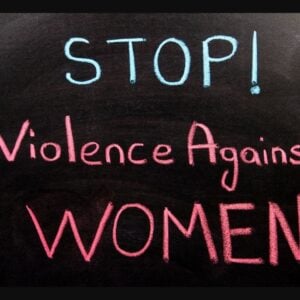
Nearly three years after active fighting in Tigray has ceased, women in the region continue to bear the devastating effects of the war on their bodies, minds, and daily lives. Survivors and health professionals report that the end of hostilities and the signing of the Pretoria Agreement have not brought safety, recovery, or dignity. Sexual violence remains widespread, while the physical and mental health needs created by the conflict persist in hospitals, displacement sites, homes, and communities across Tigray. A weakened health system, entrenched stigma, deepening poverty, and severe reductions in humanitarian aid have compounded these challenges, leaving women and girls without sustained care or protection.

The ongoing threat of renewed violence looms large. Alarming rhetoric from Ethiopian leaders and regional tensions—including divisions among Tigray’s political groups, confrontations with Amhara forces, and the presence of Eritrean troops—suggest that war could return. Women are acutely aware that sexual violence could again be used as a weapon, and they are trying to prepare, but recovery and support remain desperately inadequate. Internally displaced women are particularly vulnerable, living in uncertainty and struggling to access critical health services. The extreme scale of wartime sexual violence—ranging from sexual slavery to forced pregnancy and other atrocities—has left lasting physical and psychological trauma, often untreated due to limited healthcare access.

Aid cuts and limited humanitarian support have worsened conditions for displaced women. Food insecurity has risen, particularly for pregnant, elderly, and disabled women, while mental health services remain scarce. Shelter and sanitation issues are severe: overcrowded camps, unclean or unsafe latrines, lack of privacy for menstrual hygiene, and exposure to disease and gender-based violence all exacerbate the vulnerability of women and girls. Many survivors of sexual violence continue to experience stigma, social exclusion, and enduring trauma, including raising children conceived from rape under harsh societal pressures.

Medical and mental health support for survivors is critically insufficient. Women need emergency contraception, post-exposure prophylaxis, and other reproductive health resources to recover from past violence and protect against future assaults. Long-term psychosocial support is equally urgent, with survivors facing chronic stress, grief, and trauma compounded by loss of livelihoods, homes, and family members. Reports indicate rising intimate partner violence and femicide, and safehouses are operating beyond capacity, highlighting the continued need for targeted protection services.

Women’s inclusion in political and peace processes remains minimal, despite evidence that meaningful participation of women improves peacebuilding and reconstruction outcomes. The Pretoria Agreement’s implementation has largely overlooked women’s voices, leaving them excluded from decisions on justice, accountability, and recovery. Experts stress that women must be recognized as key agents in rebuilding Tigray and ensuring sustainable peace.

The situation in Tigray underscores the urgent need for coordinated international action. Governments, donors, and humanitarian organizations must restore and scale up aid, support local women-led initiatives, and ensure access to health, shelter, and psychosocial services. Enforcement of the Pretoria Agreement is critical to secure safety and enable recovery. Recovery and rebuilding in Tigray must begin with women, amplifying their voices and addressing the physical, mental, and social impacts of the conflict to ensure lasting peace and stability.

Related Posts

  • Technology-Facilitated Violence Against Women and Girls: Challenges and Prevention
  • From Emergency Aid to Long-Term Resilience: Multilateral Support for Women and Girls
  • Saving Lives: The Role of Midwives in Central African Republic’s Maternal Health
  • How Community Midwives Are Reducing Maternal Mortality in the Central African Republic
  • PAHO Highlights Financial Protection as Key to Achieving Universal Health in the Americas

Primary Sidebar

Latest News

PAHO Steps Up Ebola Preparedness Across the Americas Amid Outbreak in Africa

Countries in the Americas Report Strong Progress Toward Eliminating Trachoma

DR Congo Launches Digital System to Track Medicines and Vaccines in Real Time

Traxtion Raises $86 Million to Expand Rail Fleet Ahead of South African Rail Reforms

Cameroon Launches $163 Million Digital Transformation Program for Local Governments

Gabon Invests $8.9 Million to Develop Local Digital Talent Pipeline

Ghana’s Guitarfish Conservation Efforts Gain Momentum Through Community-Led Action

African Development Bank Launches €1.25 Billion Social Bond Due 2033

Ebola Outbreak in DRC: What You Need to Know and How to Help

Study Shows Offshore Wind Could Cover 11% of North Sea by 2050

African Development Bank Approves $16.7 Million for Liberia to Strengthen Fiscal and Mining Governance

New Research Highlights Lessons from Past Marine Energy Transitions for Coastal Communities

Ebola Outbreak in DRC Further Strains Underfunded Health System, CARE Warns

Uzbekistan Launches Nature4Health Scoping Phase to Strengthen Preventive One Health Approaches

World Bank Launches Ten-Year Strategy to Drive Jobs and Prosperity in Uganda

IUCN Secures US$23 Million GEF Portfolio to Tackle Biodiversity Loss and Boost Climate Resilience

Limerick and Clare ETB Join National Youth Food Poverty Conversation

Moldova Advances EU Integration and Economic Reforms with World Bank Support

Resilience Boost for Daintree Coast Access Links

Bulgarian businesses to get €340 million financing boost under new agreement between EIB Group and Allianz Bank Bulgaria

Golden Beach Seawall Project Completed to Protect Coastline and Community

EIB Partners with Ireland to Drive Electric Vehicle Charging Revolution

Bhutan Restarts WTO Accession, Learning from Global South Peers

UK Property Sector Shelves Digital Identity Scheme Amid Policy Concerns

EIB Ireland Financing Group Strengthens Investment Partnership Across Key Sectors

EIB and Roma Capitale Launch Advisory Partnership to Expand Affordable Housing in Rome

UAE Launches National Cryptography Discovery Platform for Post-Quantum Security

EIB and UN Green Climate Fund Sign First Agreement to Boost Climate Finance in Developing Countries

€5.7 Million Awarded for Research on Data Sharing in the Energy Transition

WFP and KOICA Complete Programme Supporting Refugees and Host Communities in Egypt

Two Research Projects to Develop Safe Plastics

Ten Research Projects to Develop Defence Materials

ILO Launches Decent Work Country Programme to Support Ukraine’s Labour Market Recovery

Participatory Storytelling and Decolonising Narratives in Humanitarian Communications

Waihi Refuse Transfer Station Upgrade to Cut Waste and Boost Recycling in New Zealand

Government Changes in India and Bangladesh Could Reset River Cooperation

New Zealand Invests $20 Million to Strengthen Parenting Support Services

New Zealand Government Invests $10 Million to Expand Predator Free Auckland Initiative

Capita Pension Scheme Site Launched Without Basic Web Security

WHO and Japan Launch Initiative to Close Indonesia’s Immunization Gaps

Funds for NGOs
Funds for Companies
Funds for Media
Funds for Individuals
Sample Proposals

Contact us
Submit a Grant
Advertise, Guest Posting & Backlinks
Fight Fraud against NGOs
About us

Terms of Use
Third-Party Links & Ads
Disclaimers
Copyright Policy
General
Privacy Policy

Premium Sign in
Premium Sign up
Premium Customer Support
Premium Terms of Service

©FUNDSFORNGOS LLC.   fundsforngos.org, fundsforngos.ai, and fundsforngospremium.com domains and their subdomains are the property of FUNDSFORNGOS, LLC 1018, 1060 Broadway, Albany, New York, NY 12204, United States.   Unless otherwise specified, this website is not affiliated with the abovementioned organizations. The material provided here is solely for informational purposes and without any warranty. Visitors are advised to use it at their discretion. Read the full disclaimer here. Privacy Policy. Cookie Policy.