• Skip to primary navigation
  • Skip to main content
  • Skip to primary sidebar

fundsforNGOs News

Grants and Resources for Sustainability

  • Subscribe for Free
  • Premium Support
  • Premium Login
  • Premium Sign up
  • Home
  • Funds for NGOs
    • Agriculture, Food and Nutrition
    • Animals and Wildlife
    • Arts and Culture
    • Children
    • Civil Society
    • Community Development
    • COVID
    • Democracy and Good Governance
    • Disability
    • Economic Development
    • Education
    • Employment and Labour
    • Environmental Conservation and Climate Change
    • Family Support
    • Healthcare
    • HIV and AIDS
    • Housing and Shelter
    • Humanitarian Relief
    • Human Rights
    • Human Service
    • Information Technology
    • LGBTQ
    • Livelihood Development
    • Media and Development
    • Narcotics, Drugs and Crime
    • Old Age Care
    • Peace and Conflict Resolution
    • Poverty Alleviation
    • Refugees, Migration and Asylum Seekers
    • Science and Technology
    • Sports and Development
    • Sustainable Development
    • Water, Sanitation and Hygiene (WASH)
    • Women and Gender
  • Funds for Companies
    • Accounts and Finance
    • Agriculture, Food and Nutrition
    • Artificial Intelligence
    • Education
    • Energy
    • Environment and Climate Change
    • Healthcare
    • Innovation
    • Manufacturing
    • Media
    • Research Activities
    • Startups and Early-Stage
    • Sustainable Development
    • Technology
    • Travel and Tourism
    • Women
    • Youth
  • Funds for Individuals
    • All Individuals
    • Artists
    • Disabled Persons
    • LGBTQ Persons
    • PhD Holders
    • Researchers
    • Scientists
    • Students
    • Women
    • Writers
    • Youths
  • Funds in Your Country
    • Funds in Australia
    • Funds in Bangladesh
    • Funds in Belgium
    • Funds in Canada
    • Funds in Switzerland
    • Funds in Cameroon
    • Funds in Germany
    • Funds in the United Kingdom
    • Funds in Ghana
    • Funds in India
    • Funds in Kenya
    • Funds in Lebanon
    • Funds in Malawi
    • Funds in Nigeria
    • Funds in the Netherlands
    • Funds in Tanzania
    • Funds in Uganda
    • Funds in the United States
    • Funds within the United States
      • Funds for US Nonprofits
      • Funds for US Individuals
      • Funds for US Businesses
      • Funds for US Institutions
    • Funds in South Africa
    • Funds in Zambia
    • Funds in Zimbabwe
  • Proposal Writing
    • How to write a Proposal
    • Sample Proposals
      • Agriculture
      • Business & Entrepreneurship
      • Children
      • Climate Change & Diversity
      • Community Development
      • Democracy and Good Governance
      • Disability
      • Disaster & Humanitarian Relief
      • Environment
      • Education
      • Healthcare
      • Housing & Shelter
      • Human Rights
      • Information Technology
      • Livelihood Development
      • Narcotics, Drugs & Crime
      • Nutrition & Food Security
      • Poverty Alleviation
      • Sustainable Develoment
      • Refugee & Asylum Seekers
      • Rural Development
      • Water, Sanitation and Hygiene (WASH)
      • Women and Gender
  • News
    • Q&A
  • Premium
    • Premium Log-in
    • Premium Webinars
    • Premium Support
  • Contact
    • Submit Your Grant
    • About us
    • FAQ
    • NGOs.AI
You are here: Home / cat / Seeds of Change: How Community Philanthropy is Transforming Civic Action in Burkina Faso

Seeds of Change: How Community Philanthropy is Transforming Civic Action in Burkina Faso

Dated: December 4, 2025

Burkina Faso’s civic space has faced significant setbacks, according to the CIVICUS Monitor 2024 report, which downgraded the country to “repressed” after a drop of 12 points, from 46 to 34. During a prolonged transitional period under military rule, dissent was silenced and media outlets were censored. Combined with persistent insecurity, humanitarian crises, economic strain, and limited civic freedoms, life in Burkina Faso remains deeply challenging. Yet, despite these pressures, threads of community resilience, modest economic improvements, and efforts to strengthen public services are emerging.

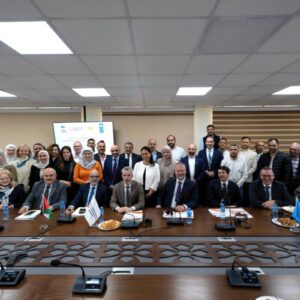
Over the past four years, the Giving for Change programme has been implemented by the L’Association Burkinabè de Fundraising (ABF) across six regions, working to strengthen community philanthropy and local resource mobilization. To reflect on its progress, GFCF Global Network Weaver Ese Emerhi and GFCF Advisor Barry Knight spoke with the ABF team about their experiences and the programme’s impact. The conversation, held in May 2025, explored the shifts in community leadership, empowerment, and advocacy that have taken shape.

ABF Executive Director Abdoulaye Sawadogo described the programme as a major catalyst for change, especially because it places communities at the center of decision-making rather than following traditional top-down donor models. Instead of passively receiving aid, communities now drive the change they want to see and actively engage government agencies to influence policies affecting their lives. This shift was reinforced by establishing accountability within Community of Practice (CoP) leaders and ensuring that trainers and leads came from the regions where the projects were implemented, building trust and legitimacy from within.

Programme lead Malo Debe shared his personal transformation, noting that he learned advocacy skills through the Change the Game Academy and witnessed firsthand how empowered communities can shape their own futures. Although initially challenging, many participants now express regret that the programme is ending just as progress becomes visible. For Lenie Hoegen Dijkhof, who has spent more than 30 years working on disability rights, the Giving for Change programme demonstrated that real change comes from practice-to-policy, not policy-to-practice. She highlighted how voices once overlooked are now actively influencing decisions and strengthening community power.

Despite achievements—including the involvement of 60 community-based organizations, eight regional leads, and an annual National Philanthropy Forum—ABF now faces uncertainty as donor funding declines. The programme concludes in 2025, and sustaining progress is their greatest challenge. Many rural communities remain unaware of their legal rights, laws are poorly enforced, and persistent insecurity obstructs implementation. Sawadogo emphasized that transformative change needs long-term commitment, estimating 15 years rather than five.

As donors such as the Dutch Ministry of Foreign Affairs withdraw support and USAID winds down, ABF seeks new funding through co-financing models that require at least 25% local contribution. Dijkhof stressed that international aid remains essential, describing claims that local resources alone can sustain development as unrealistic. She warned that expecting civil society organizations to operate without external support is “like asking us to dive into an empty swimming pool.”

Looking forward, ABF aims to expand the programme to seven additional regions and hopes Giving for Change will assist in producing advocacy materials that demonstrate impact to attract new donors. Debe added that global challenges such as climate change, poverty, hunger, and human rights violations require shared responsibility, arguing that reducing funding ignores the interconnected nature of these crises. For the programme’s gains to endure, he believes continued support is indispensable.

In Burkina Faso’s difficult environment, Giving for Change has sparked a movement rooted in dignity, collective action, and local leadership. The seeds have been planted—now, the challenge is ensuring they survive long enough to bear fruit.


Related Posts

  • €12.3 Million Funding Approved for 206 Rural Initiatives under 2025 CLÁR Programme, Says Minister Calleary
  • Funding Boost: Grants to Support Local Renewable Energy Initiatives
  • National Resilience and Development Facility (NRDF) Kicks Off TARABOT Programme Phase II
  • $12.6 Million Initiative Launched to Support Rural Enterprises in Atlantic Canada
  • How to Participate to Transform Communities and Make an Impact

Primary Sidebar

Latest News

Global Measles Surge Driven by Conflict and Vaccine Misinformation

Kuwait Charity Expands Global Aid with Water Projects in India and Chad

New BNPB–IOM Initiative Strengthens Climate Displacement Risk Data System

New Arab States Partnership to Boost Green Finance for SMEs

Europe Boosts Earth Observation Capacity with ESA–EDA Joint Study (2026)

ICOS Welcomes €10M EU Funding for Bioeconomy Demonstration Projects

Asia-Pacific Food Forum opens in Brunei Darussalam with FAO

WHO declares Bahamas has eliminated mother-to-child HIV transmission

Zambia launches national NCD STEPS survey for health data

How simulation training is improving maternal health in Niger

Strengthening health emergencies: Malawi rolls out AVoHC–SURGE cohort 2

STOSAR II highlights Zimbabwe’s agricultural competitiveness at ZITF 2026

New Climate Investment Opportunities in Central Asia

Why Nature Reporting Matters for Financial Institutions

New Push to Strengthen Social Protection in Arab Region

Women Entrepreneurs Driving Peace in Southern Libya

How Ports Are Reducing Emissions in a Disrupted Trade System

Marburg Virus in Uganda: How It Jumps from Bats to Humans

Strengthening Local Research in Africa’s Malaria Fight

European Commission and EIB Unveil €600M Ukraine Aid Package

EU Environmental Campaign Launched in Albania to Protect Nature

EU Pledges €235M Humanitarian Aid for West and Central Africa

Extreme Heat Threatens Global Food Systems and Farmer Livelihoods: UN Report

Tuvalu Fights Rising Seas as Climate Change Threatens Its Survival

NDIS Cuts May Reduce Vital Social Interaction Support

Workplace Stress and Long Hours Linked to 840,000 Deaths Annually: ILO Report

Grants Awarded to 58 Animal Rehoming Organisations

Mapping Financial Inclusion Funders: Key Trends and Shifts

Sudan Darfur Violence, Global Landmine Threat, Singapore Executions Raise UN Alarm

Armenia: Employers Promote Formalization to Boost Growth

Japan Unions Strengthen Responsible Business Conduct for Labour Rights

AU and ILO Advance Joint Plan on Social Justice and Decent Work

$32.4M USDA Grant Funding Open for Local Agriculture Markets

Reflections on CLARE 2022 Open Call for Climate Adaptation Funding

Colombo Hosts Sub-Regional Hub on Decent Work and Care Economy

Study: 840,000 Deaths a Year Tied to Work Psychosocial Risks

United States Strengthens WFP Haiti Emergency Aid

ADB Commits $29.3B in 2025 to Strengthen Asia-Pacific Resilience

Asian Development Bank Commits $680M to Pacific in 2025

African Development Bank, CABEI Partner for Regional Development

Funds for NGOs
Funds for Companies
Funds for Media
Funds for Individuals
Sample Proposals

Contact us
Submit a Grant
Advertise, Guest Posting & Backlinks
Fight Fraud against NGOs
About us

Terms of Use
Third-Party Links & Ads
Disclaimers
Copyright Policy
General
Privacy Policy

Premium Sign in
Premium Sign up
Premium Customer Support
Premium Terms of Service

©FUNDSFORNGOS LLC.   fundsforngos.org, fundsforngos.ai, and fundsforngospremium.com domains and their subdomains are the property of FUNDSFORNGOS, LLC 1018, 1060 Broadway, Albany, New York, NY 12204, United States.   Unless otherwise specified, this website is not affiliated with the abovementioned organizations. The material provided here is solely for informational purposes and without any warranty. Visitors are advised to use it at their discretion. Read the full disclaimer here. Privacy Policy. Cookie Policy.