• Skip to primary navigation
  • Skip to main content
  • Skip to primary sidebar

fundsforNGOs News

Grants and Resources for Sustainability

  • Subscribe for Free
  • Premium Support
  • Premium Login
  • Premium Sign up
  • Home
  • Funds for NGOs
    • Agriculture, Food and Nutrition
    • Animals and Wildlife
    • Arts and Culture
    • Children
    • Civil Society
    • Community Development
    • COVID
    • Democracy and Good Governance
    • Disability
    • Economic Development
    • Education
    • Employment and Labour
    • Environmental Conservation and Climate Change
    • Family Support
    • Healthcare
    • HIV and AIDS
    • Housing and Shelter
    • Humanitarian Relief
    • Human Rights
    • Human Service
    • Information Technology
    • LGBTQ
    • Livelihood Development
    • Media and Development
    • Narcotics, Drugs and Crime
    • Old Age Care
    • Peace and Conflict Resolution
    • Poverty Alleviation
    • Refugees, Migration and Asylum Seekers
    • Science and Technology
    • Sports and Development
    • Sustainable Development
    • Water, Sanitation and Hygiene (WASH)
    • Women and Gender
  • Funds for Companies
    • Accounts and Finance
    • Agriculture, Food and Nutrition
    • Artificial Intelligence
    • Education
    • Energy
    • Environment and Climate Change
    • Healthcare
    • Innovation
    • Manufacturing
    • Media
    • Research Activities
    • Startups and Early-Stage
    • Sustainable Development
    • Technology
    • Travel and Tourism
    • Women
    • Youth
  • Funds for Individuals
    • All Individuals
    • Artists
    • Disabled Persons
    • LGBTQ Persons
    • PhD Holders
    • Researchers
    • Scientists
    • Students
    • Women
    • Writers
    • Youths
  • Funds in Your Country
    • Funds in Australia
    • Funds in Bangladesh
    • Funds in Belgium
    • Funds in Canada
    • Funds in Switzerland
    • Funds in Cameroon
    • Funds in Germany
    • Funds in the United Kingdom
    • Funds in Ghana
    • Funds in India
    • Funds in Kenya
    • Funds in Lebanon
    • Funds in Malawi
    • Funds in Nigeria
    • Funds in the Netherlands
    • Funds in Tanzania
    • Funds in Uganda
    • Funds in the United States
    • Funds within the United States
      • Funds for US Nonprofits
      • Funds for US Individuals
      • Funds for US Businesses
      • Funds for US Institutions
    • Funds in South Africa
    • Funds in Zambia
    • Funds in Zimbabwe
  • Proposal Writing
    • How to write a Proposal
    • Sample Proposals
      • Agriculture
      • Business & Entrepreneurship
      • Children
      • Climate Change & Diversity
      • Community Development
      • Democracy and Good Governance
      • Disability
      • Disaster & Humanitarian Relief
      • Environment
      • Education
      • Healthcare
      • Housing & Shelter
      • Human Rights
      • Information Technology
      • Livelihood Development
      • Narcotics, Drugs & Crime
      • Nutrition & Food Security
      • Poverty Alleviation
      • Sustainable Develoment
      • Refugee & Asylum Seekers
      • Rural Development
      • Water, Sanitation and Hygiene (WASH)
      • Women and Gender
  • News
    • Q&A
  • Premium
    • Premium Log-in
    • Premium Webinars
    • Premium Support
  • Contact
    • Submit Your Grant
    • About us
    • FAQ
    • NGOs.AI
You are here: Home / cat / High Sugar in Baby Foods: Nestlé Faces NGO Criticism Across Africa

High Sugar in Baby Foods: Nestlé Faces NGO Criticism Across Africa

Dated: November 21, 2025

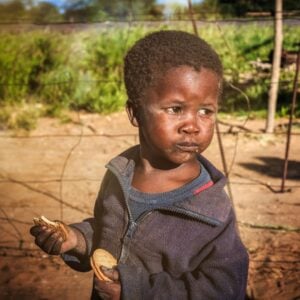
Swiss NGO Public Eye has accused Nestlé of maintaining a double standard regarding the sugar content in its infant cereals sold in Africa compared to those in more developed markets. The critique, which has drawn concern from health advocates, underscores ongoing debates over nutrition and marketing practices in the global food industry.

In collaboration with civil society organisations across Africa, Public Eye analysed nearly 100 products from Nestlé’s Cerelac range. The study found that over 90% of the infant cereals tested contained substantially higher levels of added sugars than those sold in Europe, with the average serving containing nearly 6 grams of added sugar—double the amount found in similar products in India.

Nestlé responded by rejecting the allegations as “misleading and unfounded,” stating that the sugar levels in their infant cereals comply with Codex Alimentarius standards. The company emphasized that naturally occurring sugars in ingredients like fruits, milk, and cereals should not be confused with refined sugars added during production.

This controversy follows a similar report earlier in 2025 that questioned the sugar content in baby foods marketed to low-income countries, including India. The renewed focus on Africa prompted an open letter from the International Baby Food Action Network (IBFAN) and 19 civil society organisations from 13 African nations, calling on Nestlé CEO Philipp Navratil to address what they describe as a concerning disparity in nutritional standards.

Nestlé maintains that its approach to nutrition is consistent across all markets, asserting, “We do not have double standards. Our commitment to children’s nutrition is uniform, regardless of geographical location.” The company also announced plans to accelerate the rollout of no-added-sugar variants, which are already present in 97% of its markets, aiming for full availability by the end of 2025.

Related Posts

  • Africa-Asia Platform Unveiled by Japan and AfDB to Drive Youth Innovation and Startups
  • Why Africa Can Win the Fight Against Cervical Cancer – Insights from Dr. Issimouha Dillé
  • African Leaders Renew Commitment to End Violence Against Children at WHO-Led ARISE Africa Summit
  • Czech Republic Donates Over €10,000 to Strengthen OPCW Programs in Africa
  • Sustainable Financing Solutions for Africa’s Food Security: Risks, Barriers, and Opportunities

Primary Sidebar

Latest News

NYMC Awarded $10M Department of Defense Grant

Human Capital Lessons from the Operating Partners Forum

Global Health Award Launched to Boost Prostate Cancer Care

Mainstreaming Gender Equality in China’s Global Development Programs

NIS 100 Million in Aid Announced for Regional Councils’ Wartime Expenses

Tanzania Launches Climate Adaptation Investment Markets for Key Sectors

Funding to Strengthen South African Engineering Sector

Mission 300 Launches Council to Expand Electricity Access and Jobs in Africa

Widespread Internet Blackouts Hit Russia Amid Rising Tensions

Israel Approves Discriminatory Death Penalty Legislation

Presidential Nod to India Transgender Bill Criticized as Setback

EU4PEOPLE: €5M Support for Bosnia and Herzegovina Jobs Sector

Syria Crisis: Mass Exodus from Lebanon as Food Aid Blocked

UN Peacekeepers Support Lebanese Communities Left Behind

Lebanon at Breaking Point Amid Rising Displacement and Strikes

Government of Canada Supports Nationwide Gun Violence Prevention

Jobs and Social Protection for Just Transitions: Fact Sheet

Improving Food Systems and Agribusiness in Chad

IOM Launches Appeal for $277 Million to Support Sudan Crisis

Responsible Business Principles Adopted by Lao Enterprises

Zambia Prepares to Join UN Global Accelerator on Jobs and Social Protection

Nestlé, ILO Join Forces to Advance Labour Rights in Coffee Chains

ILO Strengthens Ukraine Labour Inspection with OSINT Training

ILO Project Boosts ESG and Responsible Business Capacity in Lao PDR

Indonesia: Inclusive Finance Drives Growth in Patchouli Industry and MSMEs

ILO Supports Lao Academia to Embed Responsible Business Practices in Higher Education

World Bank, AfDB Launch Mission 300 Council to Boost Energy Access and Jobs in Africa

$501M World Bank Investment to Enhance Learning and Workforce Skills in El Salvador

World Bank Backs MSMEs in El Salvador with $100M Financing for Job Creation

Nigeria Secures $500 Million World Bank Funding to Boost Agriculture and Create Jobs

World Bank Backs $8.3 Billion Rail Mega Project to Boost Türkiye’s Global Logistics Role

$550M World Bank Investment to Strengthen Skills, Jobs, and Social Protection in Tanzania

Supply Chain Disruptions Fuel Tomorrow’s Hunger Crisis

Fortified Rice Initiative Launched for Cambodia Factory Workers

ADB Promotes Green Mortgages for Women in Kazakhstan

AfDB Invests €7.5 Million in Breega Africa Seed I Fund

African Development Bank Invests $15M in SPE PEF III

Parliament Urged to Act on Fuel Crisis Immediately

Legal Aid and Forced Displacement in Latin America: Why It Matters

New Danish Refugee Council Program Backed by Coca-Cola Foundation

Funds for NGOs
Funds for Companies
Funds for Media
Funds for Individuals
Sample Proposals

Contact us
Submit a Grant
Advertise, Guest Posting & Backlinks
Fight Fraud against NGOs
About us

Terms of Use
Third-Party Links & Ads
Disclaimers
Copyright Policy
General
Privacy Policy

Premium Sign in
Premium Sign up
Premium Customer Support
Premium Terms of Service

©FUNDSFORNGOS LLC.   fundsforngos.org, fundsforngos.ai, and fundsforngospremium.com domains and their subdomains are the property of FUNDSFORNGOS, LLC 1018, 1060 Broadway, Albany, New York, NY 12204, United States.   Unless otherwise specified, this website is not affiliated with the abovementioned organizations. The material provided here is solely for informational purposes and without any warranty. Visitors are advised to use it at their discretion. Read the full disclaimer here. Privacy Policy. Cookie Policy.