• Skip to primary navigation
  • Skip to main content
  • Skip to primary sidebar

fundsforNGOs News

Grants and Resources for Sustainability

  • Subscribe for Free
  • Premium Support
  • Premium Login
  • Premium Sign up
  • Home
  • Funds for NGOs
    • Agriculture, Food and Nutrition
    • Animals and Wildlife
    • Arts and Culture
    • Children
    • Civil Society
    • Community Development
    • COVID
    • Democracy and Good Governance
    • Disability
    • Economic Development
    • Education
    • Employment and Labour
    • Environmental Conservation and Climate Change
    • Family Support
    • Healthcare
    • HIV and AIDS
    • Housing and Shelter
    • Humanitarian Relief
    • Human Rights
    • Human Service
    • Information Technology
    • LGBTQ
    • Livelihood Development
    • Media and Development
    • Narcotics, Drugs and Crime
    • Old Age Care
    • Peace and Conflict Resolution
    • Poverty Alleviation
    • Refugees, Migration and Asylum Seekers
    • Science and Technology
    • Sports and Development
    • Sustainable Development
    • Water, Sanitation and Hygiene (WASH)
    • Women and Gender
  • Funds for Companies
    • Accounts and Finance
    • Agriculture, Food and Nutrition
    • Artificial Intelligence
    • Education
    • Energy
    • Environment and Climate Change
    • Healthcare
    • Innovation
    • Manufacturing
    • Media
    • Research Activities
    • Startups and Early-Stage
    • Sustainable Development
    • Technology
    • Travel and Tourism
    • Women
    • Youth
  • Funds for Individuals
    • All Individuals
    • Artists
    • Disabled Persons
    • LGBTQ Persons
    • PhD Holders
    • Researchers
    • Scientists
    • Students
    • Women
    • Writers
    • Youths
  • Funds in Your Country
    • Funds in Australia
    • Funds in Bangladesh
    • Funds in Belgium
    • Funds in Canada
    • Funds in Switzerland
    • Funds in Cameroon
    • Funds in Germany
    • Funds in the United Kingdom
    • Funds in Ghana
    • Funds in India
    • Funds in Kenya
    • Funds in Lebanon
    • Funds in Malawi
    • Funds in Nigeria
    • Funds in the Netherlands
    • Funds in Tanzania
    • Funds in Uganda
    • Funds in the United States
    • Funds within the United States
      • Funds for US Nonprofits
      • Funds for US Individuals
      • Funds for US Businesses
      • Funds for US Institutions
    • Funds in South Africa
    • Funds in Zambia
    • Funds in Zimbabwe
  • Proposal Writing
    • How to write a Proposal
    • Sample Proposals
      • Agriculture
      • Business & Entrepreneurship
      • Children
      • Climate Change & Diversity
      • Community Development
      • Democracy and Good Governance
      • Disability
      • Disaster & Humanitarian Relief
      • Environment
      • Education
      • Healthcare
      • Housing & Shelter
      • Human Rights
      • Information Technology
      • Livelihood Development
      • Narcotics, Drugs & Crime
      • Nutrition & Food Security
      • Poverty Alleviation
      • Sustainable Develoment
      • Refugee & Asylum Seekers
      • Rural Development
      • Water, Sanitation and Hygiene (WASH)
      • Women and Gender
  • News
    • Q&A
  • Premium
    • Premium Log-in
    • Premium Webinars
    • Premium Support
  • Contact
    • Submit Your Grant
    • About us
    • FAQ
    • NGOs.AI
You are here: Home / cat / Fish Consumption in Africa, East Asia, and the Pacific: How Much is Too Much?

Fish Consumption in Africa, East Asia, and the Pacific: How Much is Too Much?

Dated: October 9, 2025

The diets of the wealthiest 30% of the global population are responsible for over 70% of the environmental pressures from food systems, yet only 1% of people currently live within a safe and just space. Achieving a just transition requires high-income populations to shift toward diets with lower environmental impact, while ensuring that the majority in low- and middle-income countries can improve nutrition without exceeding planetary boundaries. Food systems are major contributors to environmental degradation, driving five planetary boundary transgressions and accounting for roughly 30% of global greenhouse gas emissions, meaning that even if fossil fuel use declines, food alone could push warming beyond the Paris Agreement target of 1.5°C. Climate action must therefore pay more attention to food production, supply chains, consumption patterns, and waste, while collaboration across sectors including health, education, and finance is necessary to transform diets and food systems equitably.

The question of whether Africa, East Asia, and the Pacific are overconsuming fish depends on context. The Planetary Health Diet (PHD) provides reference values for sustainable consumption, but the 28 grams per day fish recommendation is part of a total animal protein allocation and assumes moderate consumption of other animal-source foods. In regions where fish is the main source of animal protein due to affordability, availability, or cultural preference, higher consumption does not indicate excess but rather substitution. In Africa, fish often compensates for low poultry intake, while in the Pacific, fish is central to traditional diets. In East Asia, high consumption reflects economic growth and urbanization with diverse animal protein sources.

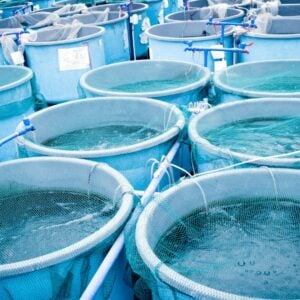
Policy implications for aquatic foods include the need for better data on spatial, demographic, and nutritional dimensions of consumption, recognizing significant disparities by region, gender, and age. Fish should be valued not only as protein but also for micronutrients such as iron, zinc, and omega-3 fatty acids. Sustainable fisheries management and environmentally responsible aquaculture are essential to meet demand while protecting ecosystems and supporting the livelihoods of small-scale fishers and farmers. Continuous dietary monitoring is necessary to ensure national guidelines remain relevant and equitable, and policies should focus on fair distribution, affordability, and social inclusion to ensure access to nutritious aquatic foods.

Global dietary frameworks like the PHD must be interpreted in local contexts. In regions where fish is a staple and a critical source of nutrients, exceeding global reference levels does not constitute overconsumption. The priority is to ensure that aquatic foods are harvested, produced, distributed, and consumed in ways that support nutrition and equity while remaining within planetary boundaries. This approach balances environmental sustainability with the nutritional needs and cultural practices of local populations, fostering both public health and ecological resilience.


Related Posts

  • World Food Day 2025: Why It Matters and How the World Is Taking Action Against Hunger
  • FAO Global Exhibition Highlights Africa’s Journey from Seeds to Foods
  • Australia’s Food Security Strategy: Progress on the Plate, But Key Ingredients Missing
  • How Solar-Dried Fish Transformed Premalata’s Livelihood in Odisha
  • UNCDF and Global Flagship Initiative Partner to Unlock Innovative Financing for Africa’s Food Systems

Primary Sidebar

Latest News

PAHO Steps Up Ebola Preparedness Across the Americas Amid Outbreak in Africa

Countries in the Americas Report Strong Progress Toward Eliminating Trachoma

DR Congo Launches Digital System to Track Medicines and Vaccines in Real Time

Traxtion Raises $86 Million to Expand Rail Fleet Ahead of South African Rail Reforms

Cameroon Launches $163 Million Digital Transformation Program for Local Governments

Gabon Invests $8.9 Million to Develop Local Digital Talent Pipeline

Ghana’s Guitarfish Conservation Efforts Gain Momentum Through Community-Led Action

African Development Bank Launches €1.25 Billion Social Bond Due 2033

Ebola Outbreak in DRC: What You Need to Know and How to Help

Study Shows Offshore Wind Could Cover 11% of North Sea by 2050

African Development Bank Approves $16.7 Million for Liberia to Strengthen Fiscal and Mining Governance

New Research Highlights Lessons from Past Marine Energy Transitions for Coastal Communities

Ebola Outbreak in DRC Further Strains Underfunded Health System, CARE Warns

Uzbekistan Launches Nature4Health Scoping Phase to Strengthen Preventive One Health Approaches

World Bank Launches Ten-Year Strategy to Drive Jobs and Prosperity in Uganda

IUCN Secures US$23 Million GEF Portfolio to Tackle Biodiversity Loss and Boost Climate Resilience

Limerick and Clare ETB Join National Youth Food Poverty Conversation

Moldova Advances EU Integration and Economic Reforms with World Bank Support

Resilience Boost for Daintree Coast Access Links

Bulgarian businesses to get €340 million financing boost under new agreement between EIB Group and Allianz Bank Bulgaria

Golden Beach Seawall Project Completed to Protect Coastline and Community

EIB Partners with Ireland to Drive Electric Vehicle Charging Revolution

Bhutan Restarts WTO Accession, Learning from Global South Peers

UK Property Sector Shelves Digital Identity Scheme Amid Policy Concerns

EIB Ireland Financing Group Strengthens Investment Partnership Across Key Sectors

EIB and Roma Capitale Launch Advisory Partnership to Expand Affordable Housing in Rome

UAE Launches National Cryptography Discovery Platform for Post-Quantum Security

EIB and UN Green Climate Fund Sign First Agreement to Boost Climate Finance in Developing Countries

€5.7 Million Awarded for Research on Data Sharing in the Energy Transition

WFP and KOICA Complete Programme Supporting Refugees and Host Communities in Egypt

Two Research Projects to Develop Safe Plastics

Ten Research Projects to Develop Defence Materials

ILO Launches Decent Work Country Programme to Support Ukraine’s Labour Market Recovery

Participatory Storytelling and Decolonising Narratives in Humanitarian Communications

Waihi Refuse Transfer Station Upgrade to Cut Waste and Boost Recycling in New Zealand

Government Changes in India and Bangladesh Could Reset River Cooperation

New Zealand Invests $20 Million to Strengthen Parenting Support Services

New Zealand Government Invests $10 Million to Expand Predator Free Auckland Initiative

Capita Pension Scheme Site Launched Without Basic Web Security

WHO and Japan Launch Initiative to Close Indonesia’s Immunization Gaps

Funds for NGOs
Funds for Companies
Funds for Media
Funds for Individuals
Sample Proposals

Contact us
Submit a Grant
Advertise, Guest Posting & Backlinks
Fight Fraud against NGOs
About us

Terms of Use
Third-Party Links & Ads
Disclaimers
Copyright Policy
General
Privacy Policy

Premium Sign in
Premium Sign up
Premium Customer Support
Premium Terms of Service

©FUNDSFORNGOS LLC.   fundsforngos.org, fundsforngos.ai, and fundsforngospremium.com domains and their subdomains are the property of FUNDSFORNGOS, LLC 1018, 1060 Broadway, Albany, New York, NY 12204, United States.   Unless otherwise specified, this website is not affiliated with the abovementioned organizations. The material provided here is solely for informational purposes and without any warranty. Visitors are advised to use it at their discretion. Read the full disclaimer here. Privacy Policy. Cookie Policy.