Lead exposure remains one of the world’s most pervasive yet preventable health threats, affecting millions of children and adults globally. As the thirteenth International Lead Poisoning Prevention Week (ILPPW) approaches from 19 to 25 October 2025, the World Health Organization (WHO) and its partners have emphasized that there is no safe level of lead, calling… [Read More]
cat
New Health Works Leaders Coalition Aims to Strengthen Health Systems and Drive Job Creation

The World Bank Group, the Government of Japan, and the World Health Organization (WHO) have launched the Health Works Leaders Coalition, a global alliance uniting health and finance ministers, business leaders, philanthropic organizations, global health agency heads, and civil society representatives. The coalition aims to promote investments in health systems as a driver of economic… [Read More]
Digital Health for Stronger Health Systems: Global Strategies and Country Empowerment

Digital technologies are rapidly reshaping health systems worldwide, from electronic medical records and telemedicine to artificial intelligence and data-driven surveillance, redefining how care is delivered, managed, and evaluated. However, this transformation poses challenges, particularly in low- and middle-income countries, where digital initiatives often remain fragmented or misaligned with national priorities. Without strong national capacities to… [Read More]
Countering Nicotine and Tobacco Addiction on World No Tobacco Day 2026

The World Health Organization (WHO) has announced the theme for World No Tobacco Day 2026: “Unmasking the appeal – countering nicotine and tobacco addiction.” The campaign focuses on revealing how the tobacco and nicotine industry continuously reinvents and repackages its products to attract a new generation, particularly children and adolescents, while evading stronger tobacco control… [Read More]
Strengthening NTD Programmes: WHO Partners Improve Supply Chain and Coordination

From 23 to 26 September 2025, the World Health Organization (WHO), alongside health ministries, pharmaceutical donors, implementing partners, and technical support platforms, convened three major meetings in Geneva to strengthen coordination and stewardship of supply chains for neglected tropical disease (NTD) medicines. The gatherings—the NTD Supply Chain Forum (NTD-SCF), the Supply Chain Technical Support Mechanism… [Read More]
Trachoma Eliminated in Fiji: 26th Country to Achieve Public Health Success

Fiji has achieved a landmark public health milestone, being validated by the World Health Organization (WHO) for eliminating trachoma as a public health problem. Trachoma, a neglected tropical disease and the world’s leading infectious cause of blindness, no longer poses a threat in the country. Fiji is the 26th country to eliminate trachoma and the… [Read More]
Mpox Vaccination Campaign in Uganda Focuses on Vulnerable and Marginalized Groups

Uganda is conducting a community-focused mpox vaccination campaign aimed at reaching populations often excluded from traditional health services. Since February 1, vaccination teams have visited entertainment spots, truck stops, border crossings, and other venues to protect key populations where they live, work, and socialize. The campaign, implemented by the World Health Organization (WHO) in partnership… [Read More]
Last Ebola Patient Released in Democratic Republic of the Congo
The last Ebola patient in the Democratic Republic of the Congo (DR Congo) has been discharged, marking a major milestone in efforts to end the outbreak. This recovery begins a 42-day countdown to officially declaring the outbreak over, provided no new cases are detected. Since the outbreak was declared on 4 September in Bulape health… [Read More]
Africa Unites Experts to Accelerate Cholera Elimination Goals by 2030
As cholera continues to pose a serious threat to lives and livelihoods across Africa, government representatives from the water and health sectors, scientists, and partners convened in Livingstone, Zambia, from 20–22 October 2025, to develop a renewed strategy for ending the disease. The Regional Expert Consultation on Cholera Prevention and Control, organized by the WHO… [Read More]
First-Ever Nationwide Quality of Care Review Completed in Ghana to Enhance Health Services

For the first time, Ghana has completed a nationwide review of clinical care delivery across its health facilities—an effort set to transform the quality of health services for millions. This landmark Quality of Care (QoC) Review, part of the Harmonized Health Facility Assessment (HHFA), was carried out by the Ministry of Health and Ghana Health… [Read More]
Ghana Partners with WHO to Turn AMR Research into Public Health Action

Antimicrobial resistance (AMR) poses a significant global health threat, undermining decades of medical progress and endangering lives, economies, and ecosystems. In Ghana, AMR impacts human health, agriculture, and the environment, making it vital to move research into practical, real-world applications. Despite the availability of scientific data, much of it remains confined to academic journals and… [Read More]
Tripartite Forum Sets Framework for Labour Market Recovery in Syria and the Region

Representatives from the governments and worker and employer organizations of Syria, Lebanon, Jordan, and Iraq have agreed on a shared Framework for Regional Dialogue to guide inclusive labour market recovery in Syria and its neighbouring countries. This agreement was finalized at the close of a Regional Tripartite Forum convened by the International Labour Organization (ILO)… [Read More]
ILO Director-General Urges Global Action to Strengthen Decent Work Amid Economic Uncertainty
Gilbert F. Houngbo, Director-General of the International Labour Organization (ILO), has called on international financial leaders to prioritize decent work and social justice in their policy frameworks. Speaking through written statements to the World Bank Group and International Monetary Fund (IMF) Annual Meetings in Washington D.C., Houngbo highlighted the critical role that strong labour institutions… [Read More]
Digital Transformation in Indonesia’s Dairy Ecosystem: ILO and OJK Collaboration

The International Labour Organization (ILO) and Indonesia’s Financial Services Authority (OJK) launched the Dairy Ecosystem Digitalization Programme in Malang, East Java, as part of the SECO-supported Promise II Impact project. The initiative aims to enhance financial inclusion and cooperative efficiency by connecting dairy farmers, cooperatives, and financial institutions through an integrated digital system, marking a… [Read More]
Promoting Ethical Labour Migration Reporting: ECOWAS Adopts ILO Toolkit

In a significant effort to reshape labour migration narratives and combat forced labour, the International Labour Organization (ILO), in collaboration with the Economic Community of West African States (ECOWAS) and key partners, held a Regional Adaptation Workshop in Abuja, Nigeria. The workshop focused on localizing the ILO’s Media Toolkit on Reporting Forced Labour and Fair… [Read More]
Albania Employment and Social Protection: Building Inclusive Opportunities
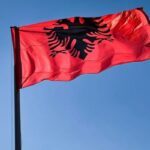
Albania is advancing inclusive social and economic reforms through the “Lifelong Empowerment and Protection in Albania” (LEAP) Joint Programme, implemented by UNDP, UNICEF, ILO, and UN Women with support from the Joint SDG Fund. The initiative aims to expand social protection, improve care services, and create decent employment opportunities for children, women, youth, and the… [Read More]
Agriculture, Employment, and Economic Growth: Building Job-Rich Economies

With more than a billion young people expected to enter the workforce over the next decade, creating sufficient jobs and opportunities has become a critical global challenge. Jobs are not just a source of income; they provide self-sufficiency, dignity, and hope, making employment one of the most effective routes out of poverty. At the World… [Read More]
Colombia Poverty Reduction: Five Strategies to Bridge Regional Inequalities
During a recent visit to Tumaco, Colombia, the resilience and determination of its residents and local authorities were evident, as they work toward improving quality of life. Despite these efforts, Tumaco continues to face challenges that other parts of the country have already overcome, and significant work remains to expand opportunities for its population. Territorial… [Read More]
Charting Pakistan’s Path Out of Poverty: Enduring Challenges & Fragile Gains

Pakistan’s journey in poverty reduction reflects both notable achievements and persistent challenges. Between 2001 and 2018, the country’s poverty rate fell dramatically from 64.3% to 21.9%, largely due to increased labor incomes driven by a shift from agriculture to sectors like construction, trade, transport, and manufacturing. Real wages in these areas rose modestly, and by… [Read More]
How Employment Drives Poverty Reduction in Central America and the Dominican Republic
Poverty continues to affect millions in Central America and the Dominican Republic, with significant challenges remaining in reducing inequality and improving living standards. In the region, one in three people lives on less than $8.30 per day (2021 PPP), higher than the Latin American average of one in four. For many households, poverty is persistent… [Read More]
How Quality Jobs Promote Economic Growth and Equity in the Dominican Republic

Every October 17, the world observes the International Day for the Eradication of Poverty, a moment to reflect on progress and ongoing challenges in reducing inequality. In the Dominican Republic, this day highlights the country’s notable achievements in poverty reduction, driven by sustained economic growth and inclusive policies. The World Bank’s new representative in the… [Read More]
How Skills Training Is Transforming Careers for Young People Across Africa

From a young age, Leah Francis Basu was captivated by aircraft and the principles of flight, a curiosity that eventually led her to pursue a career in aviation. She enrolled at the National Institute of Transport (NIT) in Tanzania to study Aircraft Maintenance Engineering, benefiting from a scholarship under the World Bank-funded East Africa Skills… [Read More]
Post-Ceasefire, WFP Expands Food Support to Families Most at Risk

Following the recent ceasefire in Gaza, the United Nations World Food Programme (WFP) has resumed food distributions across the region, reaching families through bakeries, nutritional programs, digital payments, and family food boxes. Since 11 October, WFP has dispatched over 280 trucks—nearly 3,000 metric tons—supporting bakeries, nutrition initiatives, and general food distributions. Early on 21 October,… [Read More]


