You are here: Home/cat/ Life in Sudan Displacement Camps: A Mother’s Story of Survival and Hope
Life in Sudan Displacement Camps: A Mother’s Story of Survival and Hope
The ongoing crisis in Sudan has forced millions of people to flee their homes, leaving families like Halima’s struggling to survive in displacement camps. Living in Gedaref, Halima and her four children face extremely difficult conditions, including lack of income, poor shelter, and limited access to basic necessities such as food, healthcare, and education.
Life in the camp is marked by daily hardships, with overcrowded tents, extreme heat, and exposure to insects and dangerous animals. Access to essential services is minimal, and medical care is particularly challenging, as families must travel to nearby cities at high cost, making treatment inaccessible for many.
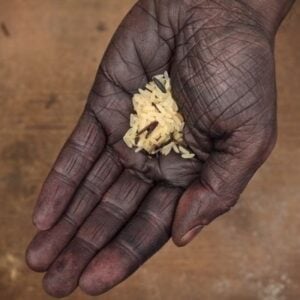
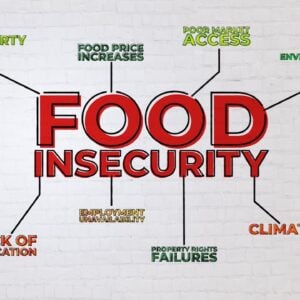
Food insecurity remains a major concern, with rising prices making it difficult for families to afford nutritious meals. Meat, a key source of protein, is often out of reach, forcing families to rely on cheaper alternatives to meet their dietary needs. This has direct implications for health, especially for children and vulnerable individuals.
Humanitarian assistance has played a critical role in supporting displaced populations. Organizations such as Islamic Relief have provided essential aid, including food, shelter materials, and hygiene supplies. Through its global qurbani programme, millions of people across multiple countries have received meat distributions, helping improve nutrition and bring a sense of relief during religious celebrations.
For families like Halima’s, such support is especially meaningful during Eid al-Adha, a time traditionally associated with sharing and community. Despite the hardships caused by conflict and displacement, receiving aid during this period offers emotional comfort and a rare opportunity to celebrate.
Overall, the situation highlights the severe impact of prolonged conflict on civilian populations, particularly those living in displacement camps. Continued humanitarian assistance remains essential to address urgent needs, improve living conditions, and restore hope for families affected by the crisis.