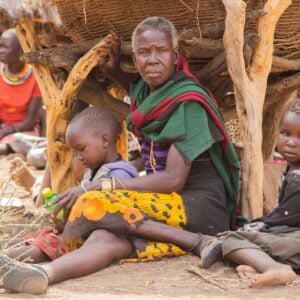
Sudan is facing a deepening hunger catastrophe as the four-month rainy season beginning in June threatens to cut off already fragile humanitarian access to the Darfur region. Roads connecting Chad to western Sudan are expected to become impassable due to flooding and heavy “black cotton” mud, isolating communities that are already experiencing extreme food shortages and limited access to basic services.
The crisis is unfolding in the context of nearly four years of conflict, which has displaced more than 12 million people and pushed agricultural production to the brink of collapse. More than 10 million people are now experiencing severe food insecurity, with many relying on overstretched host communities or irregular aid deliveries that must travel long and dangerous supply routes from ports in Cameroon through Chad into Sudan.
Children are among the most affected, with an estimated 800,000 at immediate risk of death without urgent nutritional support, particularly in Darfur and Kordofan. In areas such as Jabal Marra, families report surviving on minimal food after months without adequate assistance, while extreme heat and the approaching rains further worsen living conditions. The rainy season also raises the risk of disease outbreaks, including cholera, malaria, and diarrheal infections, adding further pressure on already malnourished populations.
Humanitarian operations face severe logistical barriers, with at least 168,000 tons of food needed in the coming months to prevent widespread starvation. However, only limited supplies already in transit are expected to reach affected regions before access routes close. Cross-border trade routes remain disrupted, and air transport, while possible, cannot meet the scale of need due to limited cargo capacity.
Aid agencies are also exploring emergency alternatives such as air drops of Ready-to-Use Therapeutic Food for children at immediate risk of death, as well as digital cash transfers supported by satellite connectivity to help families access markets and essential goods. However, these solutions require coordination, secure access, and functioning distribution networks to be effective, particularly in areas where mobile infrastructure has been damaged.
Despite these efforts, humanitarian response is severely constrained by funding shortages. Major agencies have been forced to reduce food rations, with hundreds of millions of dollars needed urgently to sustain operations. Overall humanitarian requirements for Sudan stand at nearly $3 billion, but only a small fraction of this funding has been secured, leaving millions at risk as the rainy season intensifies.