• Skip to primary navigation
  • Skip to main content
  • Skip to primary sidebar

fundsforNGOs News

Grants and Resources for Sustainability

  • Subscribe for Free
  • Premium Support
  • Premium Login
  • Premium Sign up
  • Home
  • Funds for NGOs
    • Agriculture, Food and Nutrition
    • Animals and Wildlife
    • Arts and Culture
    • Children
    • Civil Society
    • Community Development
    • COVID
    • Democracy and Good Governance
    • Disability
    • Economic Development
    • Education
    • Employment and Labour
    • Environmental Conservation and Climate Change
    • Family Support
    • Healthcare
    • HIV and AIDS
    • Housing and Shelter
    • Humanitarian Relief
    • Human Rights
    • Human Service
    • Information Technology
    • LGBTQ
    • Livelihood Development
    • Media and Development
    • Narcotics, Drugs and Crime
    • Old Age Care
    • Peace and Conflict Resolution
    • Poverty Alleviation
    • Refugees, Migration and Asylum Seekers
    • Science and Technology
    • Sports and Development
    • Sustainable Development
    • Water, Sanitation and Hygiene (WASH)
    • Women and Gender
  • Funds for Companies
    • Accounts and Finance
    • Agriculture, Food and Nutrition
    • Artificial Intelligence
    • Education
    • Energy
    • Environment and Climate Change
    • Healthcare
    • Innovation
    • Manufacturing
    • Media
    • Research Activities
    • Startups and Early-Stage
    • Sustainable Development
    • Technology
    • Travel and Tourism
    • Women
    • Youth
  • Funds for Individuals
    • All Individuals
    • Artists
    • Disabled Persons
    • LGBTQ Persons
    • PhD Holders
    • Researchers
    • Scientists
    • Students
    • Women
    • Writers
    • Youths
  • Funds in Your Country
    • Funds in Australia
    • Funds in Bangladesh
    • Funds in Belgium
    • Funds in Canada
    • Funds in Switzerland
    • Funds in Cameroon
    • Funds in Germany
    • Funds in the United Kingdom
    • Funds in Ghana
    • Funds in India
    • Funds in Kenya
    • Funds in Lebanon
    • Funds in Malawi
    • Funds in Nigeria
    • Funds in the Netherlands
    • Funds in Tanzania
    • Funds in Uganda
    • Funds in the United States
    • Funds within the United States
      • Funds for US Nonprofits
      • Funds for US Individuals
      • Funds for US Businesses
      • Funds for US Institutions
    • Funds in South Africa
    • Funds in Zambia
    • Funds in Zimbabwe
  • Proposal Writing
    • How to write a Proposal
    • Sample Proposals
      • Agriculture
      • Business & Entrepreneurship
      • Children
      • Climate Change & Diversity
      • Community Development
      • Democracy and Good Governance
      • Disability
      • Disaster & Humanitarian Relief
      • Environment
      • Education
      • Healthcare
      • Housing & Shelter
      • Human Rights
      • Information Technology
      • Livelihood Development
      • Narcotics, Drugs & Crime
      • Nutrition & Food Security
      • Poverty Alleviation
      • Sustainable Develoment
      • Refugee & Asylum Seekers
      • Rural Development
      • Water, Sanitation and Hygiene (WASH)
      • Women and Gender
  • News
    • Q&A
  • Premium
    • Premium Log-in
    • Premium Webinars
    • Premium Support
  • Contact
    • Submit Your Grant
    • About us
    • FAQ
    • NGOs.AI
You are here: Home / cat / World Health Day 2026: How Nigeria Focused on People and Evidence

World Health Day 2026: How Nigeria Focused on People and Evidence

Dated: April 17, 2026

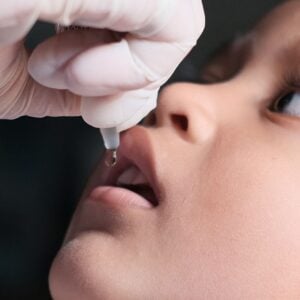
A 27-year-old mother, Godiya Tumba, travelled several kilometres with her two children to a temporary health outreach in Wuro Jabbe, Adamawa State, where both children received missed routine vaccinations. She said she had never properly understood the importance of vaccines until health workers explained it to her clearly. Her experience reflects a broader challenge in Nigeria, where healthcare outcomes depend not only on medical science but also on access, trust, and understanding.

World Health Day 2026 focused on bringing evidence-based healthcare closer to communities, particularly in areas affected by insecurity, misinformation, and limited access to routine services. Across multiple states, the initiative translated national health commitments into practical outreach, strengthening primary healthcare delivery under existing health sector reform frameworks. Health officials emphasized that evidence must be delivered through systems that people trust and can easily reach.

In Adamawa State, temporary outreach services directly reached families in underserved communities. Dozens of children received routine vaccinations, pregnant women were screened, and many children were assessed for malnutrition. Residents reported earlier care-seeking behavior and improved awareness of basic health services as a result of the outreach.

In Cross River State, more than 500 nursing students took part in community health walks across several towns, educating residents on immunization, polio prevention, and misinformation. The initiative also strengthened students’ ability to communicate health information effectively. In Rivers State, community walks, radio programmes, and repeated engagement by health workers helped rebuild trust, leading to increased uptake of routine services. In Bayelsa, collaboration with faith leaders helped deliver accurate health messages through trusted community channels.

In conflict-affected and hard-to-reach areas such as Katsina and Borno, health teams relied on surveillance data and targeted outreach to maintain essential services. In Borno, displaced populations received consultations, malaria testing, tuberculosis screening, and malnutrition checks, helping detect health issues early and reduce complications despite insecurity.

Other states also saw expanded outreach activities. In Delta State, health campaigns reached all local government areas, supporting disease prevention efforts and even assisting safe childbirth during outreach activities. Assistive devices were provided to improve mobility for people with chronic conditions. Across Plateau, Yobe, Benue, Kano, Anambra, Enugu, Oyo, and Kwara, health walks, screenings, and media engagement broadened public awareness and strengthened community participation in health programmes.

The World Health Organization supported these efforts through technical guidance, use of surveillance data, risk communication, and coordination with partners to strengthen service delivery. Health authorities stressed that data-driven planning and strong community engagement are key to improving outcomes.

Overall, World Health Day 2026 demonstrated that when scientific evidence is delivered through trusted, accessible systems, it can directly improve lives. From vaccinations to emergency care and community education, thousands of Nigerians experienced improved access to essential health services, reinforcing the importance of sustained investment in primary healthcare, health workers, and public trust in medical systems.
Related Posts

  • Tonga Launches 2026–2030 Multi-Hazard Strategy to Strengthen Health Emergency Communication
  • First WHO Forum Brings Together 800+ Collaborating Centres
  • Ghana Launches Maternal Mental Health Policy
  • Niger Makes Major Progress Against Polio
  • Angola Enhances Cholera Response with UN Support

Primary Sidebar

Latest News

Africa’s Clean Cooking Gap Leaves Nearly 1 Billion Without Access

Australians for Mental Health Welcomes $517 Million Disability Support Program

Malawi Flood Crisis: Heavy Rains Displace Tens of Thousands

Falconer Unveils Fresh Aid for Displaced Communities in Lebanon (EN/AR)

Sudan: NGOs Urge Action as Conflict Impacts Worsen Regionally

Lower-Income Countries Set Record Investment in Immunisation Programmes

UAE Plans Thousands of Jobs in Non-Profit Sector with Dh100M Fund

Funding Boost for Hundreds of Grassroots Groups to Unite Communities

EU Supports Ukrainian Civil Society Project to Strengthen Justice Reforms

UK and IFC Partner to Boost Agribusiness and Job Creation in the DRC

IFC, Santander Brazil Join Forces to Expand Eco Invest Sustainable Financing in Brazil

Africa Vaccine Manufacturing Boost: IFC, EIB Group and EU Support Biovac Expansion

FAO Hosts Indigenous Consultation in Suriname for REDD+ Climate Finance Readiness

FAO Urges Faster Action to Close Global Water and Sanitation Gaps

Food Value Chain Losses: Where Food Is Wasted and How to Save It

Senegal Tackles Food Waste with FAO-Supported Touba Project

FAO Report Highlights Women’s Role in Africa’s Agrifood Systems

Senegal: FAO Boosts Efforts to Cut Post-Harvest Losses

Ghana Boosts Vaccine Manufacturing Ambition with Clinical Trials

World Health Day 2026: How Nigeria Focused on People and Evidence

Amnesty Calls on Maldives to Scrap Death Penalty Bill

Amnesty Warns India’s Digital Media Rules May Enable Abusive Powers

Over 100 NGOs Dissolved in Burkina Faso Crackdown on Civil Society

Ontario Invests $57M in Indigenous Postsecondary Institutes

Her Voice Fund Evaluation Launched by Womankind

Learnings from a Trilateral Climate-Smart Agriculture Programme

New Funding Announced for Displaced Communities in Lebanon

Climate Change and Work: ILO Urges Stronger Social Protection

Japan SMEs Gain New ILO Business and Human Rights Case Studies

WFP Launches HungerMap Live for Real-Time Hunger Intelligence

KSrelief and WFP Provide Nutrition Aid to Families in Somalia

Bhutan School Nutrition Programme Launched by KOICA and WFP

Japan Donates $2 Million for Disaster Relief in Pakistan

Africa’s Growth at Risk as Middle East Crisis May Reduce GDP by 0.2%

Key Lessons from US Inflation Reduction Act for Future Clean Energy Tax Policy

EU and Partners Pledge €811 Million to Address Sudan Humanitarian Crisis

UK Awards £2 Million to Community Groups to Strengthen Unity Across England

Sudan Food Crisis 2026: Key Facts on Hunger, Agriculture Collapse, and Urgent Aid Needs

Measles Vaccines Save Nearly 20 Million Lives in Africa Since 2000

IFAD Joins World Bank’s Water Forward Initiative to Boost Water Security for 1 Billion People

Funds for NGOs
Funds for Companies
Funds for Media
Funds for Individuals
Sample Proposals

Contact us
Submit a Grant
Advertise, Guest Posting & Backlinks
Fight Fraud against NGOs
About us

Terms of Use
Third-Party Links & Ads
Disclaimers
Copyright Policy
General
Privacy Policy

Premium Sign in
Premium Sign up
Premium Customer Support
Premium Terms of Service

©FUNDSFORNGOS LLC.   fundsforngos.org, fundsforngos.ai, and fundsforngospremium.com domains and their subdomains are the property of FUNDSFORNGOS, LLC 1018, 1060 Broadway, Albany, New York, NY 12204, United States.   Unless otherwise specified, this website is not affiliated with the abovementioned organizations. The material provided here is solely for informational purposes and without any warranty. Visitors are advised to use it at their discretion. Read the full disclaimer here. Privacy Policy. Cookie Policy.