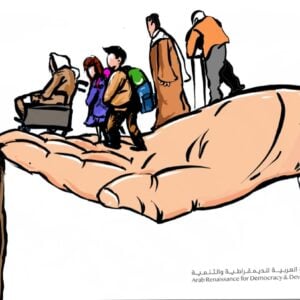
The International Labour Organization (ILO) has issued a new brief urging governments and social partners to strengthen universal social protection systems, particularly for migrant workers, refugees, and displaced populations. The guidance emphasizes the need to integrate social protection into climate change responses to ensure a just transition that supports all affected groups.
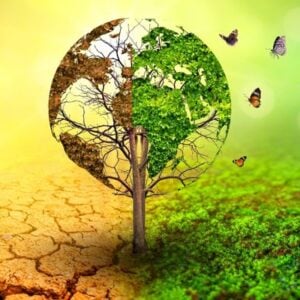
The brief highlights that climate change is increasingly driving displacement and worsening existing vulnerabilities. It notes that people affected by climate-related movements often face higher risks of poverty, reduced access to decent work, and loss of livelihoods, making social protection systems essential for building resilience and supporting adaptation.
According to the report, migrant workers and displaced populations frequently encounter major barriers in accessing social protection. These include legal restrictions linked to migration status, lack of recognition of climate-induced displacement, limited access to formal employment, weak coordination between national systems, and administrative challenges such as documentation requirements and complex procedures.
The ILO reaffirms that access to social security is a fundamental human right, grounded in international labour standards. It emphasizes principles such as equal treatment and non-discrimination as key foundations for ensuring inclusive protection systems.
To address existing gaps, the brief recommends expanding inclusive national social protection systems and strengthening international cooperation through bilateral and multilateral agreements. It also calls for reducing administrative barriers, improving policy coordination, enhancing social dialogue, and developing flexible responses to climate-related shocks.
The report further proposes a structured approach for implementation at the national level, focusing on tripartite engagement between governments, employers, and workers, evidence-based policymaking, and alignment with broader climate and migration policies to ensure more effective and inclusive protection systems.