The World Food Programme (WFP) has received a contribution of over US$625,000 from the Government of Japan to provide lifesaving food assistance to refugees fleeing violence in eastern Democratic Republic of the Congo and to Burundians returning from refugee camps in Tanzania. The funding, equivalent to approximately BIF 2 billion, was formally acknowledged during a ceremony in Bujumbura attended by representatives from Japan, the Government of Burundi and WFP.
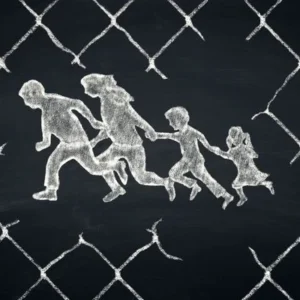
The support comes at a critical time as Burundi has experienced a sharp rise in arrivals of displaced people. In December alone, more than 90,000 refugees crossed into the country due to renewed violence and insecurity in eastern DRC. In response, WFP rapidly expanded its operations to provide hot meals and dry food rations to newly arrived families.
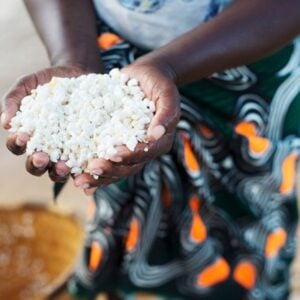
Japan’s contribution will enable WFP to assist around 22,000 refugees and returnees with emergency food support for a period of six weeks. The assistance aims to meet urgent needs while helping families maintain dignity and stability as they begin to rebuild their lives after displacement.
At the same time, Burundi is expecting up to 93,000 additional returnees from refugee camps in Tanzania by mid-2026 due to planned camp closures. Since the beginning of the year, more than 37,000 returnees have already arrived. WFP is currently providing hot meals, short-term food rations and a three-month food assistance package to support their reintegration and reduce immediate vulnerability.
The Government of Burundi has welcomed the continued partnership with Japan and WFP, emphasizing the importance of coordinated humanitarian action to ensure timely and adequate support for vulnerable populations. Japan has been a longstanding donor to WFP’s operations in Burundi, contributing approximately US$16 million to humanitarian efforts in the country since 2016.
As the world’s largest humanitarian organization addressing hunger, WFP continues to play a central role in delivering emergency food assistance while supporting longer-term stability and recovery for communities affected by conflict, displacement and crisis.