On 31 January 2026, a voltage collapse in Moldova’s electricity grid, triggered by disturbances in Ukraine’s system, left large parts of the country without power. While electricity was restored the same day, the incident underscored Moldova’s fragile energy infrastructure. For years, Russia has leveraged its control over Soviet-era grids, gas supplies, and energy companies to exert political pressure on Moldova. Since late 2024, the Moldovan government has reduced Moscow’s influence, but its energy system still operates with limited redundancy amid regional instability.
Moldova has gradually dismantled its dependence on Russian energy. In January 2025, Moscow disrupted gas deliveries to Transnistria, forcing the region’s main thermal power station to switch to emergency coal-fired generation and causing electricity shortages in areas under Chișinău’s control. The EU responded with a €30 million emergency package and new supply contracts with Romania. Meanwhile, Transnistria relied on a small Russian-backed loan to secure gas, negotiating concessions that included broadcasting Moldovan state TV and releasing some political prisoners. In Chișinău-controlled areas, a €250 million EU package strengthened the national operator, upgraded the grid, and eventually removed Russia’s Gazprom from Moldovagaz, ending Moscow’s last significant foothold in the country’s energy market.
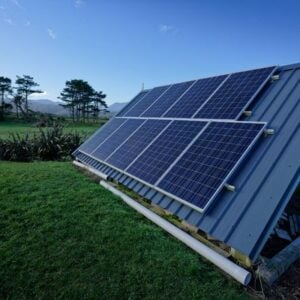
Despite this progress, Moldova’s system remains fragile. Domestic thermal generators cover only 15–20% of peak demand, while imported electricity from Romania and Ukraine relies on a single high-voltage line through Transnistria. The January 2026 blackout highlighted the risks, though emergency preparations—including “energy islands,” backup generators, and rerouting plans—helped restore service quickly. Moldova is expanding interconnections, with new high-voltage lines expected by 2027 and 2029, and has aligned national laws with EU electricity-market rules, improving trading, demand management, and grid flexibility. Renewable energy capacity now totals nearly 1GW, and gas supplies are diversified through 21 international suppliers and new storage facilities.
Moldova’s experience highlights both the potential and limits of the EU’s Energy Union. While European integration could provide reliable, affordable electricity, progress has been slow, with member states controlling investments and energy mixes. Past crises in Spain and Portugal show that insufficient grid modernization and interconnections hinder stability. The EU is now moving to treat energy networks as shared infrastructure, with initiatives like Energy Highways aiming to integrate neighboring countries, including Moldova, into a connected continental energy market.
Challenges remain for affordability and resilience. Moldova lacks sufficient domestic baseload capacity, relies heavily on imports, and must optimize renewables through storage, gas turbines, smart meters, and dynamic pricing. The Transnistria region adds further uncertainty, as its industrial base depends on limited Russian support, posing potential social and economic risks.
To address these issues, Moldova is fostering innovation through a new Energy Sandbox that allows private-sector experimentation with smart grids, vehicle-to-grid storage, and demand-management solutions. These pilots aim to increase grid efficiency, test storage and renewable integration, and attract investment, with lessons potentially applicable to Ukraine and other regional markets.
Moldova’s journey demonstrates political resolve, strategic EU engagement, and the potential for private-sector innovation to overcome energy fragility. Its experience could guide the development of a regional energy market, showing how peripheral European states can achieve economic viability, resilience, and integration in a broader continental system while offering opportunities for investment and technological advancement.