The Government of Canada has announced an investment of more than $2.3 million in 14 partner-led projects aimed at protecting and restoring the Wolastoq/Saint John River. The funding, delivered through the Wolastoq/Saint John River Freshwater Ecosystem Initiative under the strengthened Freshwater Action Plan, will support efforts to reduce excess nutrients, advance scientific research and knowledge, and empower Indigenous-led initiatives focused on improving water quality.
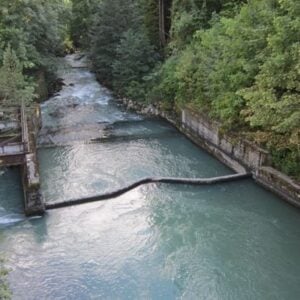
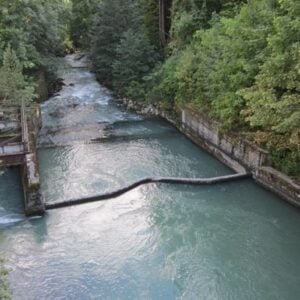
The Wolastoq—meaning “Beautiful and Bountiful River” to the Wolastoqiyik people—holds deep cultural, linguistic, and spiritual significance. It is also a vital economic and environmental resource, supporting hydroelectricity, agriculture, forestry, food manufacturing, and tourism. More than half of New Brunswick’s population lives within the watershed, and about one-fifth rely on the river as a source of drinking water. Spanning 673 kilometres across New Brunswick, Quebec, and Maine, the river is both an international and interprovincial waterway within the traditional territory of the Wolastoqey people.
Several projects will address pressing environmental concerns such as nutrient pollution, harmful algal blooms, and emerging contaminants. The Maliseet Nation Conservation Council will receive funding to train Wolastoqey community members in water quality monitoring and analysis, strengthening Indigenous capacity to respond to nutrient and pollution challenges. The Belleisle Watershed Coalition will assess the presence and impacts of per- and polyfluoroalkyl substances (PFAS), commonly known as “forever chemicals,” in the lower river. Nature New Brunswick, in partnership with the Nashwaak Watershed Association, will work directly with farmers and landowners to promote agricultural practices that reduce nutrient runoff, enhance riparian buffers, and minimize erosion and sedimentation.
The Canada Water Agency, which leads the initiative, aims to achieve measurable improvements in water quality and ecosystem health through collaboration with Indigenous communities and local organizations. This funding forms part of the federal government’s broader $650 million, 10-year Freshwater Action Plan to protect and restore key freshwater bodies across the country. By combining scientific research, community engagement, and Indigenous knowledge, the initiative seeks to ensure the long-term health and sustainability of the Wolastoq/Saint John River for future generations.