Climbing Mount Kenya in December, I visited the Lewis Glacier near the summit and was struck by how small and vulnerable it appeared. This glacier, one of Africa’s last, has persisted for 10,000 to 30,000 years but is now reduced to the size of just two football fields. Scientists predict it will disappear within three to five years, highlighting the rapid loss of glaciers in East Africa. The shrinking ice has far-reaching consequences, as glaciers feed rivers, support agriculture, cool the planet, and sustain local communities. Their disappearance threatens drinking water, crop production, energy systems, and social stability.
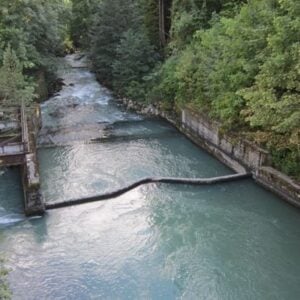
At the foot of the mountain, a local elder described the dramatic changes he has witnessed over his lifetime. Once snow-covered for months each year, the peak now remains white for only a few weeks, if at all. Rivers that relied on glacial melt have begun drying up, with many no longer flowing except briefly after rains. This local testimony underscores how climate change is impacting ecosystems and livelihoods in tangible ways.
The journey to the Lewis Glacier involved four days of hiking through dense forests, peatlands, and the Afro-alpine zone. Along the way, the landscape shifted from rich wildlife habitats to dry, barren terrain. Reaching 4,700 meters, the sight of the narrow glacier clinging to the mountainside was unsettling. This visual starkly illustrated the urgency of protecting high-altitude ice, which is disappearing faster in East Africa than in almost any other region.
Glaciers are critical sources of freshwater for millions of people, influencing agriculture, hydropower, and domestic water supply. Melting ice in high mountains eventually flows into oceans, linking mountain ecosystems to global environmental systems. As UNEP Patron of the Oceans, I have observed similar changes in the Arctic, Antarctica, the Himalayas, and Greenland, confirming that glacier loss is a worldwide phenomenon with cascading impacts.
Supporting climate adaptation and resilience is therefore essential. The Global Environment Facility (GEF) has long invested in protecting mountains, forests, watersheds, and communities, including projects in Kenya that restore degraded land, plant millions of trees, improve water access, and establish Africa’s first water fund connecting upstream farming areas with urban water needs. Local initiatives funded through GEF’s Small Grants Program have also empowered hundreds of grassroots projects, reinforcing community-level resilience.
The urgency of glacier preservation was a central theme at UNEA-7 in Nairobi, where I spoke to environment ministers about Mount Kenya and global glacial melt. In the Himalayas alone, nearly two billion people depend on glacial meltwater, which is under threat from rising temperatures. Scientists warn that at 1.5°C of warming, nearly half of all glacial ice could be lost, and at 2.7°C, up to three-quarters may vanish.
The Lewis Glacier serves as a stark reminder that glaciers are not distant phenomena—they are lifelines for ecosystems, communities, and economies. Investment in nature, from forests to watersheds, is critical for climate resilience, peace, and global stability. Its impending disappearance illustrates the fragility of high-altitude environments and the urgency of decisive action in the coming years to protect both people and the planet.