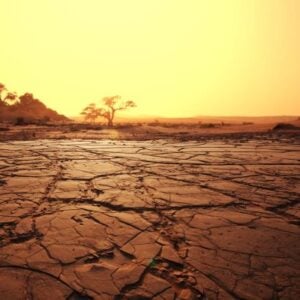
Iraq’s Ahwar marshlands, often described as the Garden of Eden and spanning between 2,000 and 4,000 square kilometres, are facing severe ecological decline. Despite their designation as a UNESCO World Heritage Site, these wetlands are under intense pressure from the worst drought in a century, upstream dam construction, excessive water abstraction, prolonged extreme heat and pollution from untreated wastewater. Together, these factors are threatening one of the Middle East’s most valuable and culturally significant ecosystems.
In response, nature itself is becoming part of the solution. In southern Iraq’s Thi-Qar Governorate, the United Nations Environment Programme and the International Organization for Migration are working with local sewerage authorities and the Ministry of Water Resources on a five-hectare constructed wetland pilot project. Located within the Abu Zirig wetland ecosystem, the initiative treats wastewater in a way that reduces harmful pathogens, improves water quality and supports ecological restoration in a region heavily stressed by heat and water scarcity.
The need for such interventions is urgent, as Thi-Qar is the Iraqi governorate most affected by climate-induced displacement, accounting for nearly half of displaced people nationwide. By September 2025, more than 85,500 people had been displaced due to land degradation, water scarcity and rising river salinity, with farming and livestock-based livelihoods particularly hard hit. The degradation of wetlands has also disrupted centuries-old cultural practices such as fishing, water buffalo herding, reed harvesting and seasonal agriculture, threatening Indigenous knowledge systems and weakening social cohesion.
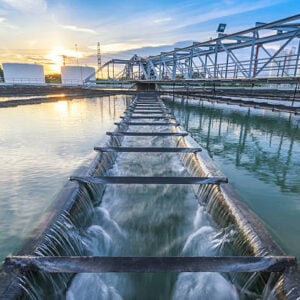
The constructed wetland project directly addresses these challenges by offering a sustainable method to clean polluted water and revive dried-out wetlands, benefiting more than 30,000 people. Although drought-related restrictions currently limit local use of the treated water, farmers have expressed strong interest in using it for agriculture once conditions allow. Since mid-2025, wastewater that previously flowed untreated through open channels has been redirected into engineered basins within the wetlands, where dense reed beds naturally filter and break down contaminants.
This nature-based system relies on a tiered treatment process, beginning with sedimentation to remove heavy solids, followed by reed-filled basins where organic matter, nutrients, pathogens and heavy metals are reduced through biological and biochemical processes. Early water quality tests show significant improvements, including reduced nutrient loads, lower pathogen levels and restored dissolved oxygen. These improvements have already contributed to the return of wildlife such as birds, fish, amphibians and insects, signalling broader ecosystem recovery.
Although modest in scale, the project demonstrates how cost-effective, nature-based solutions can simultaneously address climate adaptation, biodiversity restoration and pollution reduction. It shows strong potential for replication across Iraq and beyond, while supporting international environmental goals at the local level. By blending traditional ecological knowledge with modern environmental engineering, the initiative highlights how wetlands can once again support both people and nature in the face of growing climate pressures.