Uncertainty defined 2025 in Latin America and the Caribbean (LAC), with economic, social, and political volatility reaching historic highs. These pressures are set to continue in 2026, fueled by shifting geopolitical alliances, evolving trade rules, and a dense calendar of elections. Some countries benefit from higher commodity prices and renewed investment, while others remain mired in low growth or rising vulnerability. Climate shocks are becoming more frequent and costly, and ageing populations are straining care systems.
The region has become a focal point in global realignments of trade, security, and power. LAC is rich in strategic resources, including lithium, copper, rare earth minerals, and nearly one-fifth of the world’s oil reserves, attracting international attention. Simultaneously, organized criminal networks seeking influence over these assets add to domestic insecurity. Shifting trade patterns, including deepened ties with China and pending agreements like Mercosur-EU, highlight the region’s role in navigating competing economic spheres.
Economic growth is projected to modestly accelerate to 2.3% in 2026, following 2.2% in 2025, yet remains below global averages and highly uneven across countries. Some economies benefit from favorable commodity prices and investment, while others face tariff pressures and geopolitical tensions. The outlook remains fragile, with potential risks from fluctuating commodity prices, investment shifts, and global financial volatility.
Poverty continues to decline but remains fragile and unevenly distributed. Regional poverty is expected to fall to 25.2% in 2025, the lowest on record, largely driven by progress in Brazil and Mexico. Excluding these countries, poverty rates are significantly higher, revealing disparities in recovery from the pandemic and highlighting uneven development gains across the region.
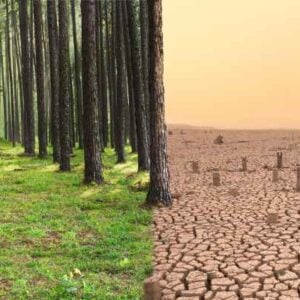
Climate pressures are intensifying, with LAC ranked second globally for exposure to extreme weather. The frequency and human impact of climate shocks are rising, especially in Caribbean countries, affecting public finances, infrastructure, and livelihoods. Yet the region also holds immense potential for climate solutions, with renewable energy already accounting for 62.5% of electricity generation, abundant solar, wind, and hydropower capacity, and vast forests and biodiversity. Effective investment and policy coordination could allow LAC to translate these advantages into substantial climate and development gains.
Population ageing is reshaping care needs, as older adults now require more support than young children. The number of older adults needing daily assistance is projected to nearly triple by 2050, placing pressure on social protection, health services, and pension systems. Without adequate preparation, caregiving responsibilities will disproportionately fall on working-age adults, particularly women. Strengthening care systems is essential to address this demographic shift.
Advancing development in LAC amid turbulence requires integrating economic, social, and climate priorities. Reducing poverty and vulnerability depends on expanding social protection, improving labor market opportunities, ensuring quality education, and broadening financial access. Climate adaptation, through early-warning systems, risk-informed planning, and resilient infrastructure, is critical for the most exposed countries. Simultaneously, demographic changes highlight the need for long-term care expansion, stronger public health systems, and equitable distribution of unpaid care work. Effective governance, institutional capacity, and public trust are vital to sustain progress and navigate ongoing uncertainty.