A promising conservation initiative in Jordan, the Taziz project, is combining forest landscape restoration, livelihood enhancement, and protected area expansion to protect both biodiversity and the UNESCO World Heritage Site of Petra. Implemented by IUCN’s Regional Office for West Asia (ROWA) in partnership with the Petra Development and Tourism Region Authority (PDTRA) and Jordan’s Ministry of Agriculture, the project revitalized the Shoubak Nursery to propagate native tree species, supporting the restoration of juniper forests on the ridges surrounding Petra. The initiative strengthens climate resilience while generating income opportunities for local communities, particularly women and youth.
More than 850 local participants, including women and young people, have actively engaged in restoration activities, helping to shift social norms and expand women’s involvement in field-based environmental work. The Shoubak Forestry Nursery has become a hub for intergenerational knowledge transfer and skills development, positioning women as key contributors to ecological restoration and fostering long-term resilience for both people and nature.
IUCN Deputy Director General Stewart Maginnis emphasized the importance of these forest restoration efforts in preserving ecosystem functionality, vital ecosystem services, and the archaeological integrity of Petra. The project demonstrates how nature-based solutions can simultaneously support global conservation goals and improve local livelihoods.
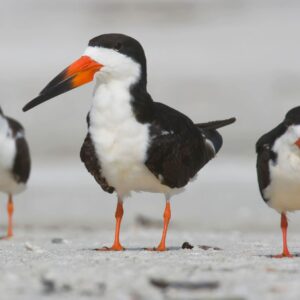
Beyond ecological restoration, the Taziz project has contributed to the expansion of Jordan’s protected area network through a national review. Proposed revisions include the designation of a natural protected area within Petra Archaeological Park and the extension of the Shoubak Proposed Protected Area. These additions aim to strengthen the protection of key ecosystems and critical biodiversity sites along the Red Sea Flyway, which hosts millions of migratory birds annually, including many IUCN Red List species.
ROWA’s Regional Director, Dr. Hany El Shaer, highlighted that the initiative demonstrates how integrated conservation approaches can deliver multiple benefits, linking biodiversity conservation, cultural heritage protection, and local development. The project aligns with Jordan’s National Reforestation Strategy and IUCN’s global programme of work, reflecting strong collaboration with the Ministry of Agriculture, the Ministry of Environment, and other partners.
Funded by Global Affairs Canada, the Taziz project is establishing a model for landscape-scale restoration in Jordan that connects climate resilience, biodiversity conservation, and community well-being. Through this approach, the initiative supports sustainable development while ensuring that local communities remain central to conservation efforts.
The International Union for Conservation of Nature (IUCN), the world’s largest environmental network, brings together governments, civil society, Indigenous Peoples’ organizations, and experts to conserve nature and promote sustainable resource use. IUCN’s Regional Office for West Asia advances nature-positive development across the region by supporting ecosystem restoration, climate resilience, biodiversity protection, and community empowerment. Global Affairs Canada contributes to such initiatives internationally, promoting climate resilience, gender equality, and sustainable livelihoods in partner countries like Jordan.