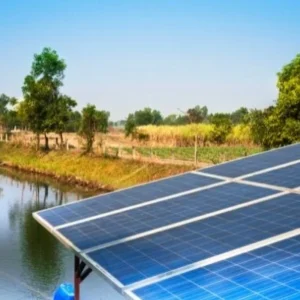
The Clean Energy Electric Boat Innovation Expo held on Tunda Island highlighted how solar-powered electric boats can support small-scale fishers by reducing fuel costs, lowering emissions, and strengthening livelihoods amid climate change. Convened by UNDP and Indonesia’s National Research and Innovation Agency (BRIN), the event demonstrated practical clean energy solutions tailored to the needs of coastal communities, particularly those facing rising operational costs and environmental pressures.
The expo was part of the SeaBLUE Project, implemented by UNDP in partnership with the Ministry of Marine Affairs and Fisheries of Indonesia and funded by the Government of Japan. The project focuses on supporting small-scale fishers while advancing a more sustainable and resilient blue economy by introducing solar-powered electric boats and cooling systems that help preserve catch quality and improve income stability.
Through close collaboration with BRIN and the Ministry, the project combines technology deployment with hands-on training and technical assistance to ensure the boats are safe, easy to operate, and suitable for local conditions. Under BRIN’s co-development approach, electric boat components have been designed to function effectively in Indonesia’s remote, outermost, and underdeveloped regions, helping ensure the technology is both innovative and practical for everyday use.
The SeaBLUE Project plans to distribute 162 solar-powered cool boxes and six electric boat engines across 34 villages in Morotai and the Tanimbar Islands. Operator training and charging station installations have already been completed, with final engine installation and training scheduled to conclude by the end of January. A follow-up field visit in February will assess progress and gather insights from communities involved in the project.
UNDP emphasized that small-scale fishers are central to Indonesia’s coastal economies but are increasingly vulnerable to climate change and rising costs. By providing solar-powered boats and cooling systems, the initiative aims to place clean energy solutions directly in the hands of fishing communities, helping them reduce expenses, maintain catch quality, and build long-term resilience.
BRIN underscored the broader importance of the initiative for decarbonizing the fisheries sector. By pairing improved electric vessel design with continuous training and monitoring, the partnership is laying the groundwork for wider adoption of electric boats across Indonesia’s coastal regions, ensuring the transition to clean energy is both technically sound and socially inclusive.
Overall, the SeaBLUE Project reflects strong collaboration between the Government of Indonesia, the Government of Japan, and UNDP to promote a sustainable blue economy. The initiative demonstrates how innovation, community engagement, and coordinated action can reduce environmental impacts, strengthen livelihoods, and support inclusive economic growth and climate action in coastal communities.