• Skip to primary navigation
  • Skip to main content
  • Skip to primary sidebar

fundsforNGOs News

Grants and Resources for Sustainability

  • Subscribe for Free
  • Premium Support
  • Premium Login
  • Premium Sign up
  • Home
  • Grants & Funding
    • Funds for NGOs
      • Agriculture, Food & Nutrition
      • Animals and Wildlife
      • Arts & Culture
      • Children
      • Civil Society
      • Community Development
      • Democracy and Good Governance
      • Economic Development
      • Education
      • Disability
      • Employment and Labor
      • Environment
      • Family Support
      • Healthcare
      • HIV and AIDS
      • Housing & Shelter
      • Humanitarian Relief
      • Human Rights
      • Human Service
      • Information Technology
      • Livelihood Development
      • LGBTQIA2S+
      • Media and Development
      • Narcotics, Drugs and Crime
      • Old Age Care
      • Peace & Conflict Resolution
      • Poverty Alleviation
      • Refugees, Migration & Asylum Seekers
      • Science & Technology
      • Sports & Development
      • Sustainable Development
      • Water, Sanitation & Hygiene (WASH)
      • Women & Gender
      • Youth & Adolescents
    • Donors & Funders
    • Funds for Companies
      • Accounts & Finance
      • Agriculture, Food and Nutrition
      • AI
      • Education
      • Energy
      • Environment
      • Healthcare
      • Innovation
      • Manufacturing
      • Media
      • Research
      • Startups & Early-Stage
      • Sustainable Development
      • Technology
      • Travel & Tourism
      • Women
      • Youth
    • Funds for Individuals
      • All Individuals
      • Artists
      • Disabled Persons
      • LGBTQIA2S+
      • PhD Holders
      • Researchers
      • Scientists
      • Students
      • Women
      • Writers
      • Youths
  • Funds in Your Country
  • Proposal Writing
    • Sample Proposals
    • Agriculture Proposals
    • Business Proposals
    • Child Development Proposals
    • Climate Change & Biodiversity Proposals
    • Community Development Proposals
    • Democracy & Good Governance Proposals
    • Disability Proposals
    • Disaster & Humanitarian Relief Proposals
    • Environment Proposals
    • Education Proposals
    • Healthcare Proposals
    • Housing & Shelter Proposals
    • Human Rights Proposals
    • Livelihood Development Proposals
    • Nutrition & Food Security Proposals
    • Poverty Alleviation Proposals
    • Refugees, Migration & Asylum-Seekers’ Proposals
    • Rural Development Proposals
    • Sustainable Development Proposals
    • Water, Sanitation & Hygiene (WASH) Proposals
    • Women & Gender Proposals
    • Youth Development Proposals
  • Premium
    • Premium Sign-in
    • Premium Grants
    • Premium eBooks
    • Premium Webinars
    • Premium Videos
    • Premium Courses
    • Premium Support
  • NGOs.AI
  • Contact
    • Submit Your Opportunity
    • Learning Lab
    • Q&A
    • News
    • About us
You are here: Home / cat / Bridging the Gender Gap: Three Key Pathways Strengthening EU–India Cooperation

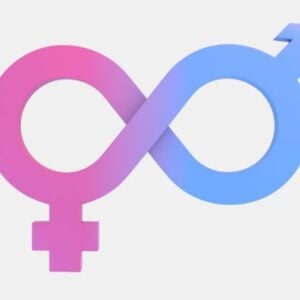
Bridging the Gender Gap: Three Key Pathways Strengthening EU–India Cooperation

Dated: January 16, 2026

India’s rapid economic growth and strategic importance have made it a key partner for the European Union, with renewed momentum in EU–India relations following the adoption of a Joint Communication in September 2025. This agenda spans trade, technology, security and connectivity, while negotiations on the long-awaited EU–India Free Trade Agreement are nearing completion. This phase of deeper cooperation presents a timely opportunity to embed gender equality more firmly within the partnership, aligning economic ambition with inclusive and sustainable development goals.

At the same time, the EU is preparing a successor to the Gender Action Plan III, its main framework for advancing gender equality through external action. While GAP III set ambitious targets, including mainstreaming gender equality across most EU external initiatives, its implementation has been uneven and largely confined to development cooperation. As discussions around a future Gender Action Plan advance, there is growing recognition that gender equality must be better integrated into broader economic, trade and investment partnerships, including those with India.

Gender equality already features as a priority within the EU’s human rights and democracy engagement with India, with cooperation focusing on issues such as gender-based violence, economic and social rights, leadership and participation, and opportunities emerging from green and digital transitions. Over time, collaboration has shifted from isolated projects toward higher-level policy dialogue and concrete joint actions. Initiatives supporting women’s economic empowerment and inclusive value chains demonstrate how gender-focused approaches can deliver tangible results while contributing to sustainable growth.

Building on this experience, the evolving EU–India partnership offers clear opportunities to advance gender equality through structural, long-term approaches. Integrating gender considerations into trade cooperation is one such pathway, particularly in the context of the EU–India FTA, where inclusive measures could help women-led enterprises benefit more equitably from expanded market access. Similarly, the EU’s Global Gateway investments in infrastructure and connectivity highlight the importance of ensuring that large-scale projects reduce, rather than reinforce, existing inequalities through deliberate gender-sensitive design and implementation.

Climate action and the energy transition represent another critical area for gender-inclusive cooperation. As India confronts significant climate risks while pursuing a rapid shift toward cleaner energy, policies and finance mechanisms that support women’s participation in climate-resilient and low-carbon sectors can strengthen both social and environmental outcomes. Applying a gender lens to climate finance and investment can help unlock broader economic benefits while supporting a just transition.

Overall, advancing gender equality within the EU–India partnership requires sustained political commitment, meaningful stakeholder engagement and practical tools that translate ambition into action. When embedded consistently across trade, investment, infrastructure and climate cooperation, gender equality can contribute to more resilient economies, inclusive growth and shared global leadership, making it a core strength rather than a peripheral element of the EU–India relationship.
Related Posts

  • Gender and Nature Investing: Emerging Opportunities for DFIs and MDBs
  • Spotlight Initiative Highlights Key Progress in Combating Gender-Based Violence
  • Tracking the Evolving Patterns of the Illegal Wildlife Trade
  • ‘Beyond GDP’ Movement Urges New Metrics for Wellbeing and Sustainable Growth
  • Leading the Way: How a Key South Sumatran Official is Advancing Indonesia’s Green Energy Goals

Primary Sidebar

Latest News

Supporting Food System Sovereignty in Burkina Faso

Burkina Faso Backs ADF-17 to Strengthen African Development Financing Ownership

Mali Ratifies AfDB Loans to Boost Electricity Supply in Bamako

AfDB Strengthens Public Service Capacity to Improve Project Delivery in Togo

AfDB Launches Digital Monitoring Platform to Improve Project Supervision in Ghana

World Bank Funds $119 Million Flood Resilience Project to Protect Jobs in Brazil

World Bank Calls for Public Finance Reforms to Boost Growth in Central African Republic

World Bank Approves US$150 Million to Support Sri Lanka’s Growth and Reform Agenda

World Bank Approves Major Water and Irrigation Modernization Project in Tajikistan

World Bank and Morocco Launch Major Pumped Hydropower Project to Boost Clean Energy

EIB and EU Leaders Push for Increased Investment in Affordable Housing Across Europe

EIF Backs New €20 Million Fund to Support Growth Companies in Finland

WFP Warns of Deepening Hunger Crisis in Northern Nigeria Amid Conflict and Funding Cuts

UN Highlights Four Key Strategies to Help Communities Cope with Rising Summer Heat

ILO Promotes Social Dialogue to Strengthen Workplace Equality in Laos

ILO Expands Health Coverage and Social Protection for Vulnerable Families in Nigeria

Ireland Completes €3.8 Million River Wad Phase 1B Flood Relief Scheme

WHO Releases New Guidance on Repair and Recycling of Assistive Technology

WHO Urges Stronger Earthquake Preparedness to Protect Health Systems

EBRD and EU Complete Water Conservation Awareness Campaign in Egypt

EBRD and EU Support Water Conservation Campaign for Egyptian Students

EBRD and GCF Launch €160 Million Climate-Resilient Water Programme in Central Asia

UNDP and Kyrgyzstan Strengthen Climate Resilience Through Early Warning Systems

Cybersecurity Must Be a Core Priority in Digital Transformation, Says UNDP

EBRD Supports KMF Bank with US$ 50 Million Loan to Boost MSMEs and Women-Led Businesses in Kazakhstan

EBRD Provides €25 Million Loan to Boost Besler’s Food Production and Inclusion Projects in Türkiye

Kenya Digital Skills Gap Report Highlights MSME Opportunities and Risks in the Digital Economy

Ireland Announces €40 Million Emergency Funding for Storm-Damaged Regional and Local Roads

ITCILO Launches Summer School on Social Dialogue and Living Wages in Turin

11 Western Pacific Countries Join WHO to Advance Air Pollution and Health Action

ILO Launches High-Level Mission to Haiti to Advance Decent Work and Labour Cooperation

Close-up of a craftsman’s hands engraving a metal strip on a wooden workbench with engraving tool and nearby tools nearby

Zambia Boosts Gemstone Skills Training with ILO and EU Support

ILO Türkiye Advances Decent Work Agenda in Media Sector Through Social Dialogue Workshop

ILO Launches Decent Work Programme to Support Ukraine’s Economic Recovery

Hands releasing glowing holographic icons and network symbols, illustrating digital technology and connectivity.

IFC and Airtel Africa Expand Digital Connectivity to Boost Jobs and Inclusion Across Africa

Female healthcare worker in a white coat sits at a table with medical supplies; another clinician in blue scrubs and a scrub cap leans over to review papers outdoors at a community health event, with bystanders in the background.

Rutgers and Aidsfonds Merge to Strengthen Global Sexual Health Response

Cash Assistance Brings Hope to Sudanese Refugees in Chad Amid Ongoing Crisis

EIB Grants €125 Million Loan to Orano Med for Cancer Therapy Innovation and Infrastructure

Panama Study Shows Early Childhood Investment Improves Long-Term Learning Outcomes

Three women stand together on a sunny park path, smiling at the camera, one holding papers.

Women in Leadership in Latin America and the Caribbean: Breaking Structural Barriers to Equality

Funds for NGOs
Funds for Companies
Funds for Media
Funds for Individuals
Sample Proposals

Contact us
Submit a Grant
Advertise, Guest Posting & Backlinks
Fight Fraud against NGOs
About us

Terms of Use
Third-Party Links & Ads
Disclaimers
Copyright Policy
General
Privacy Policy

Premium Sign in
Premium Sign up
Premium Customer Support
Premium Terms of Service

©FUNDSFORNGOS LLC.   fundsforngos.org, fundsforngos.ai, and fundsforngospremium.com domains and their subdomains are the property of FUNDSFORNGOS, LLC 1018, 1060 Broadway, Albany, New York, NY 12204, United States.   Unless otherwise specified, this website is not affiliated with the abovementioned organizations. The material provided here is solely for informational purposes and without any warranty. Visitors are advised to use it at their discretion. Read the full disclaimer here. Privacy Policy. Cookie Policy.