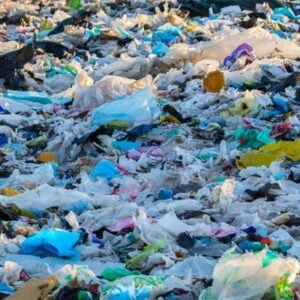
Not long ago, the idea of using almond shells, forestry residues or sewage sludge to permanently remove carbon dioxide from the atmosphere sounded futuristic. Today, it is becoming a reality as a growing number of companies develop innovative ways to transform waste into climate solutions.
A new wave of startups is advancing biomass carbon removal and storage (BiCRS), a process that captures carbon stored in organic materials and locks it away underground. As cutting emissions alone is no longer sufficient to meet global climate targets, carbon dioxide removal is increasingly seen as a necessary long-term strategy. BiCRS companies sell verified carbon credits to businesses seeking to offset unavoidable emissions and move toward net-zero goals.
The science behind BiCRS is relatively straightforward. Plants and trees absorb carbon dioxide as they grow, storing it in their biomass. Under natural conditions, that carbon eventually returns to the atmosphere through decay or burning. BiCRS disrupts this cycle by capturing the carbon from agricultural waste, forest residues or organic sludge and storing it in ways that prevent it from being released back into the air.
Globally, interest in BiCRS is accelerating. The European Union has introduced legislation to create a carbon removal certification framework and registry by 2028, while countries such as Japan and Canada are exploring how to scale these technologies. In the United States, where a 2025 report counted around 40 BiCRS-focused companies, the sector is growing faster than anywhere else in the world.
Several startups illustrate how diverse these approaches can be. In California, Corigin Solutions uses agricultural waste such as almond shells to produce biochar and bio-oil through a high-temperature process known as pyrolysis. While the biochar is sold to farmers to improve soil health, the bio-oil is stored underground, keeping carbon out of the atmosphere. By offering an alternative to burning agricultural waste, Corigin also supports local farming communities.
Charm Industrial is taking a different approach by repurposing abandoned oil wells. Using mobile pyrolysis units, the company converts forestry and agricultural residues into bio-oil directly at the source, reducing transportation emissions. The bio-oil is then injected deep underground using existing oil infrastructure. Charm has already sequestered thousands of tons of carbon dioxide and attracted major corporate buyers seeking high-integrity carbon removal.
In Arkansas, Graphyte has opted for an even simpler method. The company compresses dried biomass, such as sawmill waste and rice hulls, into dense blocks that are sealed and buried underground on degraded land. This low-cost, low-tech approach allows Graphyte to scale quickly and offer comparatively affordable carbon credits, making carbon removal more accessible to a broader range of buyers.
Vaulted Deep focuses on organic waste streams that are difficult to manage safely, including sewage sludge and food waste. By converting these materials into pumpable slurries and injecting them deep below groundwater, the company locks away both carbon and harmful contaminants. Its long-term agreements with large corporate buyers signal growing confidence in this method’s ability to scale.
Despite early successes, BiCRS still faces significant challenges. Inconsistent policies, the absence of universal verification standards and long delivery timelines for carbon credits have created uncertainty in carbon markets. There are also concerns that excessive reliance on carbon removal could distract from the urgent need to reduce emissions at their source. Questions remain about who should be purchasing carbon credits and how to prevent greenwashing as the industry expands.
Competition for biomass resources is another emerging issue. As more sectors seek to use organic waste to meet climate goals, demand could exceed sustainable supply, potentially driving up costs and creating unintended environmental trade-offs.
Even with these challenges, BiCRS is gaining momentum as a practical way to lock away carbon that would otherwise return to the atmosphere. By turning waste into a climate asset, these companies are helping build a more diverse and flexible toolkit for addressing climate change, particularly for sectors where emissions are hardest to eliminate.