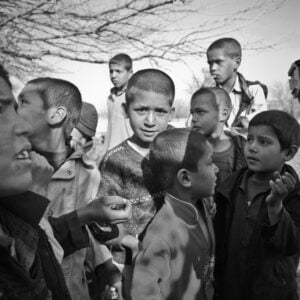
The LEGO Foundation and Co-Impact have announced a new five-year partnership valued at US$30 million to support children affected by conflict, displacement, and humanitarian crises. The initiative aims to strengthen public systems in Kenya and Nigeria while improving education and wellbeing outcomes for approximately 2.5 million children living in crisis-affected communities.
The partnership will focus on providing long-term, flexible funding to locally rooted and refugee-led organizations working alongside governments and communities. The organizations supported through the initiative will help improve education systems, teacher training, family support services, and child wellbeing programmes designed to address the long-term effects of trauma, instability, and displacement on children’s learning and development.
According to the organizations, traditional humanitarian aid often addresses immediate emergencies but may struggle to deliver sustainable long-term outcomes in regions experiencing prolonged conflict or recurring crises. The new collaboration aims to move beyond short-term interventions by supporting locally led solutions that can be integrated into national and regional public systems. The approach is intended to strengthen education and wellbeing services over time rather than relying solely on temporary aid programmes.
The initiative reflects growing recognition that children’s ability to learn is influenced not only by classroom instruction but also by broader factors such as mental health, nutrition, safety, healthcare access, and family stability. Both organizations emphasized that schools and communities can become spaces for healing, protection, and resilience when educational systems are designed to respond to the realities faced by children living through conflict and displacement.
Kenya and Nigeria were selected as the initial focus countries because of both the scale of educational challenges and the commitment shown by national governments to improve access to learning in crisis-affected areas. Nigeria currently faces one of Africa’s largest education crises, with millions of children remaining out of school, particularly in regions impacted by violence and insecurity. In Kenya, large refugee populations and climate-related disruptions continue to place pressure on the country’s education system.
The partnership also seeks to encourage greater collaboration among philanthropic organizations, governments, and development partners. Co-Impact and the LEGO Foundation stated that improving educational outcomes for children affected by crisis requires coordinated investment across multiple sectors, including healthcare, nutrition, water access, sanitation, and community support systems. The organizations described the initiative as an open invitation for additional funders to contribute to a broader systems-based approach to child wellbeing and education.
Co-Impact has developed a reputation for supporting long-term systems change initiatives through collaborative philanthropy. Founded in 2017 with support from major global philanthropic partners, the organization focuses on strengthening health, education, and economic systems in developing regions through multi-year investments and locally driven leadership models.
The LEGO Foundation has increasingly expanded its global philanthropic and educational partnerships in recent years, supporting initiatives connected to child development, learning through play, education innovation, and social wellbeing. The foundation stated that the new partnership aligns with its broader mission of creating environments where children can thrive, particularly in communities facing instability and crisis.