In recent decades, Salvapan, a neighborhood in Belmopan, Belize, has become home to many migrants from Guatemala, El Salvador, and Honduras. With a population of about 3,000 residents, nearly a quarter of whom are migrants, the growing demand for water has placed pressure on limited infrastructure. This challenge began to be addressed through the Water Supply and Modernization Program, a collaboration between the Belizean government, Belize Water Services, and the Inter-American Development Bank, which is expanding access to clean water in peri‑urban communities.
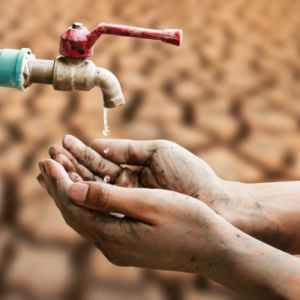
Access to safe water is critical for health, especially for children, as diarrhoeal disease remains a leading cause of death among those under five. Globally, millions of children die each year from preventable water-related illnesses, and disparities in access are greatest in low-income and fragile contexts. In Salvapan, reliable water has also transformed daily life, economic opportunities, and family security.
Residents describe how life changed once piped water reached their homes. Martina, a Honduran migrant, recalled the struggle of hauling water from wells and pumps before connecting to the network. With reliable water, she can now manage her household more easily and run a small food business. Juan, a Guatemalan carpenter and father of four, highlighted the improved hygiene and convenience of piped water compared to relying on shallow wells and creeks. Isabela, a widow raising her children alone, emphasized that as the neighborhood grows, connecting to the network ensures long-term security for her family.
Operational lessons from Salvapan show the importance of inclusive targeting, simplified connection processes, and long-term follow-up to address behavioral barriers. Collaboration between Belize Water Services and government agencies was essential to reach migrant households, many of whom live in informal conditions. Outreach through local leaders and multilingual communication helped families understand the steps required to connect. Continued monitoring of water-use behavior will inform future awareness campaigns.
The Water Supply and Modernization Program demonstrates how access to safe water can profoundly impact vulnerable populations. For families in Salvapan, piped water means improved health, reduced burdens, and expanded opportunities. It is a foundation for both survival and growth, underscoring that water access saves lives and strengthens communities.