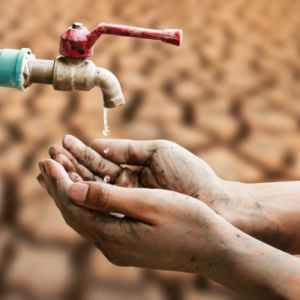
A broad coalition of more than 70 organizations across the Colorado River Basin has called on the U.S. Congress to provide at least $2 billion in new federal funding to address the worsening drought and long-term water shortage affecting the region. The request brings together cities, farmers, utilities, businesses, conservation groups, and Tribal Nations from all seven basin states, reflecting widespread concern about the sustainability of the river system.
The coalition argues that the Colorado River is facing escalating stress due to prolonged drought conditions, historically low snowpack, and declining reservoir levels, which have reduced water availability for millions of people across the western United States. The river supplies water to roughly 40 million Americans and supports agriculture, energy production, ecosystems, and growing urban populations, making its stability critical for the entire region.
The proposed funding would be directed toward near-term drought mitigation efforts, including water conservation programs, infrastructure improvements, and efficiency projects designed to reduce demand and improve system resilience. Supporters say these investments would complement existing federal initiatives and help prevent repeated emergency responses that are costly and less effective over time.
In addition to immediate relief measures, the coalition is also urging Congress to establish a long-term federal funding mechanism for the Colorado River Basin. The goal is to move beyond short-term conservation efforts and create sustained investment in water-saving technologies, supply augmentation, and ecosystem protection. Advocates argue that long-term planning is necessary to adapt to worsening climate conditions and rising demand across the western states.
The appeal comes at a time when negotiations among basin states over future water-sharing agreements remain unresolved, increasing pressure on federal agencies to step in with policy solutions. With reservoirs such as Lake Mead and Lake Powell continuing to face low levels, stakeholders warn that without coordinated action, the region could face deeper cuts to water allocations in the coming years.