• Skip to primary navigation
  • Skip to main content
  • Skip to primary sidebar

fundsforNGOs News

Grants and Resources for Sustainability

  • Subscribe for Free
  • Premium Support
  • Premium Login
  • Premium Sign up
  • Home
  • Grants & Funding
    • Funds for NGOs
      • Agriculture, Food & Nutrition
      • Animals and Wildlife
      • Arts & Culture
      • Children
      • Civil Society
      • Community Development
      • Democracy and Good Governance
      • Economic Development
      • Education
      • Disability
      • Employment and Labor
      • Environment
      • Family Support
      • Healthcare
      • HIV and AIDS
      • Housing & Shelter
      • Humanitarian Relief
      • Human Rights
      • Human Service
      • Information Technology
      • Livelihood Development
      • LGBTQIA2S+
      • Media and Development
      • Narcotics, Drugs and Crime
      • Old Age Care
      • Peace & Conflict Resolution
      • Poverty Alleviation
      • Refugees, Migration & Asylum Seekers
      • Science & Technology
      • Sports & Development
      • Sustainable Development
      • Water, Sanitation & Hygiene (WASH)
      • Women & Gender
      • Youth & Adolescents
    • Donors & Funders
    • Funds for Companies
      • Accounts & Finance
      • Agriculture, Food and Nutrition
      • AI
      • Education
      • Energy
      • Environment
      • Healthcare
      • Innovation
      • Manufacturing
      • Media
      • Research
      • Startups & Early-Stage
      • Sustainable Development
      • Technology
      • Travel & Tourism
      • Women
      • Youth
    • Funds for Individuals
      • All Individuals
      • Artists
      • Disabled Persons
      • LGBTQIA2S+
      • PhD Holders
      • Researchers
      • Scientists
      • Students
      • Women
      • Writers
      • Youths
  • Funds in Your Country
  • Proposal Writing
    • Sample Proposals
    • Agriculture Proposals
    • Business Proposals
    • Child Development Proposals
    • Climate Change & Biodiversity Proposals
    • Community Development Proposals
    • Democracy & Good Governance Proposals
    • Disability Proposals
    • Disaster & Humanitarian Relief Proposals
    • Environment Proposals
    • Education Proposals
    • Healthcare Proposals
    • Housing & Shelter Proposals
    • Human Rights Proposals
    • Livelihood Development Proposals
    • Nutrition & Food Security Proposals
    • Poverty Alleviation Proposals
    • Refugees, Migration & Asylum-Seekers’ Proposals
    • Rural Development Proposals
    • Sustainable Development Proposals
    • Water, Sanitation & Hygiene (WASH) Proposals
    • Women & Gender Proposals
    • Youth Development Proposals
  • Premium
    • Premium Sign-in
    • Premium Grants
    • Premium eBooks
    • Premium Webinars
    • Premium Videos
    • Premium Courses
    • Premium Support
  • NGOs.AI
  • Contact
    • Submit Your Opportunity
    • Learning Lab
    • Q&A
    • News
    • About us
You are here: Home / cat / World Bank: Ghana Leads Region in Financial Readiness Despite Gaps

World Bank: Ghana Leads Region in Financial Readiness Despite Gaps

Dated: February 6, 2026

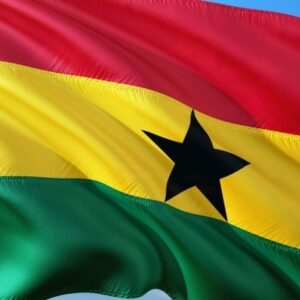
Ghana has emerged as a regional frontrunner in financial services readiness, but operational inefficiencies in public services, trade, and market competition could constrain its growth and ability to attract investment, according to the World Bank’s Business Ready (B-READY) 2025 report.

The findings were presented at a dissemination event in Accra, where policymakers, private sector representatives, and development partners reviewed Ghana’s performance under the B-READY framework. The assessment evaluates economies across three pillars: Regulatory Framework, Public Services, and Operational Efficiency.

Ghana recorded an overall 72 percent score in financial services, placing it ahead of many sub-Saharan African peers. The country scored 69 in Regulatory Frameworks, 50 in Public Services, and 52 in Operational Efficiency, highlighting a widening gap between strong rules and the speed and effectiveness of implementation.

Financial services and labour emerged as Ghana’s strongest-performing areas. The report commended the country’s regulatory environment for secured transactions and electronic payments, while Ghana ranked within the top 20 percent of economies globally in labour, with a score of 71. Solid performance was also noted in business entry and utility services, particularly in transparency around tariffs and access procedures.

Regionally, Ghana’s regulatory framework ranked the strongest among its peers, while its public services score trailed only Togo’s. However, the World Bank stressed that regulatory strength alone is insufficient without efficient service delivery.

Robert Taliercio, World Bank Division Director for Ghana, Liberia, and Sierra Leone, said Ghana had performed well “in World Cup terms” but still faced a significant delivery gap. He noted that Ghana’s gross capital formation is around 10 percent of GDP, compared with roughly 30 percent in industrialising economies such as Morocco.

“The gap between strong rules and slower delivery affects how investors assess risk, cost, and predictability,” Mr. Taliercio said, linking the findings to the government’s proposed 24-Hour Economy programme. He emphasised that the initiative is less about extended working hours and more about system readiness, including efficient ports, utilities, and regulators.

Kyle Kelhofer, Senior Country Manager for the International Finance Corporation (IFC) for Ghana and Liberia, described the engagement as action-oriented and urged businesses to help identify inefficiencies and propose practical solutions to reduce delays and bottlenecks. He said the World Bank Group is focused on supporting reforms that improve firm productivity and unlock private investment needed for job creation.

The report identified market competition as a major weakness, with a low score of 34 percent, alongside deficiencies in business insolvency and dispute resolution systems. International trade was cited as a key example of operational inefficiency: despite a strong regulatory framework, import clearance in Ghana takes an average of 23 days, compared with eight days in peer economies such as Cameroon.

To unlock its full growth potential, the World Bank recommended streamlining export restrictions, improving transparency in licensing systems, and clarifying penalty procedures.

Despite these challenges, the report expressed optimism about Ghana’s reform trajectory, highlighting the recent introduction of a Trusted Trader programme, which is expected to significantly improve border efficiency and strengthen Ghana’s performance in future B-READY assessments.
Related Posts

  • Transforming Remittances into Investments: Ghana’s Push for Sustainable Development
  • Stories from Northern Syria: How Women and Girls Are Surviving Conflict and Displacement
  • Strengthening Ghana–Korea Trade Ties: GIPC Showcases Gateway Market Potential
  • Displacement in Yemen Surges, IOM Issues Urgent Alert
  • €1,000 Grants Awarded to Community Employment Scheme Sponsors, Says Minister Calleary

Primary Sidebar

Latest News

UN Food Systems Hub Strengthens Regional Cooperation Across the Caribbean and Central America

People wearing yellow gloves picking up litter and placing it into a dark blue garbage bag during an outdoor cleanup.

EBRD Supports Community Clean-Up Initiative in Amman to Promote Sustainable Waste Management

Uzbekistan Endorses Agrifood Investment Roadmap to Accelerate Climate Action

ILO Training in Turin Strengthens Collective Bargaining and Negotiation Skills

Over 20,000 Children in Türkiye Supported to Stay in School Through ILO Initiative

Four young women sit on outdoor steps, collaborating with a laptop and a tablet.

Nepal Advances Care Cooperatives to Boost Women’s Employment and Community Care Services

Green Climate Fund Approves $30 Million for Climate Resilience in Tajikistan

World Bank Group Recommends Reforms to Boost Private Investment and Create 300,000 Jobs in Uzbekistan

EIB and Bpifrance Strengthen Partnership With €550 Million for Renewable Energy, Security and Defence

EIB Grants €500 Million to CDC Habitat to Boost Affordable Housing in France

EIB Provides €345 Million to Alperia for Sustainable Energy Infrastructure in South Tyrol

EIF Backs Climentum With €40 Million to Boost Europe’s Climate-Tech Startups

Five Insights for Building Africa’s Inclusive Prosperity

UNDP Urges Creatives to Tap AfCFTA’s 1.4 Billion Market and Boost Investment

Caribbean Leads Global Effort to Eliminate Mother-to-Child Disease Transmission

Côte d’Ivoire Secures $399 Million World Bank Financing to Support Private Investment

Africa Finance Corporation Prices $500 Million Eurobond at Record-Low Spread

Tanzania Secures $3.1 Billion Five-Year Health Deal With the U.S.

Côte d’Ivoire Approves $366.3 Million Funding for Health and Energy Projects

Supporting Food System Sovereignty in Burkina Faso

Burkina Faso Backs ADF-17 to Strengthen African Development Financing Ownership

Mali Ratifies AfDB Loans to Boost Electricity Supply in Bamako

AfDB Strengthens Public Service Capacity to Improve Project Delivery in Togo

AfDB Launches Digital Monitoring Platform to Improve Project Supervision in Ghana

World Bank Funds $119 Million Flood Resilience Project to Protect Jobs in Brazil

World Bank Calls for Public Finance Reforms to Boost Growth in Central African Republic

World Bank Approves US$150 Million to Support Sri Lanka’s Growth and Reform Agenda

World Bank Approves Major Water and Irrigation Modernization Project in Tajikistan

World Bank and Morocco Launch Major Pumped Hydropower Project to Boost Clean Energy

EIB and EU Leaders Push for Increased Investment in Affordable Housing Across Europe

EIF Backs New €20 Million Fund to Support Growth Companies in Finland

WFP Warns of Deepening Hunger Crisis in Northern Nigeria Amid Conflict and Funding Cuts

UN Highlights Four Key Strategies to Help Communities Cope with Rising Summer Heat

ILO Promotes Social Dialogue to Strengthen Workplace Equality in Laos

ILO Expands Health Coverage and Social Protection for Vulnerable Families in Nigeria

Ireland Completes €3.8 Million River Wad Phase 1B Flood Relief Scheme

WHO Releases New Guidance on Repair and Recycling of Assistive Technology

WHO Urges Stronger Earthquake Preparedness to Protect Health Systems

EBRD and EU Complete Water Conservation Awareness Campaign in Egypt

EBRD and EU Support Water Conservation Campaign for Egyptian Students

Funds for NGOs
Funds for Companies
Funds for Media
Funds for Individuals
Sample Proposals

Contact us
Submit a Grant
Advertise, Guest Posting & Backlinks
Fight Fraud against NGOs
About us

Terms of Use
Third-Party Links & Ads
Disclaimers
Copyright Policy
General
Privacy Policy

Premium Sign in
Premium Sign up
Premium Customer Support
Premium Terms of Service

©FUNDSFORNGOS LLC.   fundsforngos.org, fundsforngos.ai, and fundsforngospremium.com domains and their subdomains are the property of FUNDSFORNGOS, LLC 1018, 1060 Broadway, Albany, New York, NY 12204, United States.   Unless otherwise specified, this website is not affiliated with the abovementioned organizations. The material provided here is solely for informational purposes and without any warranty. Visitors are advised to use it at their discretion. Read the full disclaimer here. Privacy Policy. Cookie Policy.