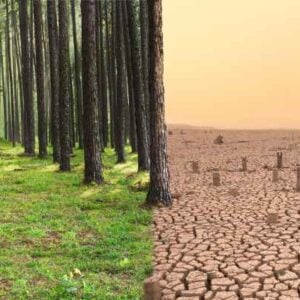
In Taok Commune, located in northwestern Cambodia, Indigenous families rely heavily on community forestry and small-scale agriculture for their livelihoods, cultural practices, and food security. In recent years, however, these forests have come under increasing pressure from deforestation and climate change, posing threats to crops, food sources, and traditional ways of life. As local Por Indigenous farmer Bun Sophai from Phnom Rai village recalls, the once lush landscape has become dry, wildfires frequently occur, and rice yields have drastically declined.
The Indigenous Peoples Direct Grants mechanism in Cambodia illustrates the potential of equitable, rights-based climate finance when Indigenous communities are placed at the center of decision-making. Through these grants, forests are being conserved, customary lands secured, local institutions strengthened, and livelihoods made more resilient through sustainable and diversified practices. Women’s active participation in governance, forest patrols, and financial initiatives has helped foster more inclusive and accountable community leadership. These local successes provide valuable lessons for scaling community-led, inclusive climate solutions, particularly as Cambodia advances its third updated Nationally Determined Contributions in the agriculture, forest, and land-use sectors.
UNDP’s Climate Promise, the UN system’s largest climate action portfolio, works with over 140 countries and territories, directly benefiting 37 million people. The program implements more than US$2.3 billion in grant financing, leveraging UNDP expertise in adaptation, mitigation, carbon markets, forests, and climate strategies. Through UNDP Climate & Forests and its role in the UN-REDD Programme, social equity is systematically promoted by ensuring the rights, knowledge, and inclusion of Indigenous Peoples and local communities. This approach ensures that forest-based climate solutions effectively support Cambodia’s NDCs while advancing the Sustainable Development Goals.