
The regional workshop on capacity building for Arab statisticians to monitor SDG 4 indicators concluded in Dammam, Saudi Arabia. Organized by the UNESCO Regional Office in Beirut in collaboration with the UNESCO Regional Center for Quality and Excellence in Education (RCQE) and the UNESCO Institute for Statistics (UIS), the event brought together representatives from Ministries… [Read More]
cat
How Commonwealth Small States Can Strengthen Economic Resilience Together

The year 2025 was a pivotal period for the global economy, presenting particularly high stakes for small and vulnerable states. Geopolitical tensions, trade fragmentation, energy transitions, and tightening fiscal and financial conditions contributed to widespread uncertainty. For small states, already grappling with narrow economic bases and heightened exposure to external shocks, the year underscored both… [Read More]
Nigeria Advances Agri-Finance with UNDP-BOA MoU Signing
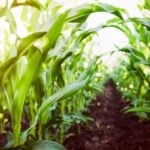
The United Nations Development Programme (UNDP) and the Bank of Agriculture (BOA) have signed a Memorandum of Understanding to transform Nigeria’s agricultural financing system and launch the One Million Hectare Tree Crop Programme. The agreement, formalized at the UN House in Abuja, included the handover of ICT equipment to strengthen BOA’s institutional capacity and support… [Read More]
Lessons from Sudan for US Economic Engagement with Venezuela

The post-Bashir period in Sudan, from 2020 to 2021, initially offered a unique opportunity for political and economic transformation. After the United States removed Sudan from the State Sponsors of Terrorism list in late 2020, the country gained access to international financial support from institutions like the IMF and World Bank, alongside promises of investment… [Read More]
Albania Launches FAO-Supported Platform for Sustainable Agrifood Systems

Albania has launched the Agrifood Systems Dialogue Platform to guide policy reform and investment in the country’s agrifood sector through evidence-based dialogue and multistakeholder collaboration. Developed with technical support from the Food and Agriculture Organization of the United Nations (FAO), the platform aims to support more coordinated, transparent, and strategic decision-making as Albania advances its… [Read More]
Central Asia Strengthens Locust Management Skills Through FAO Training

Locust infestations pose a serious threat to crops, rangelands, and rural livelihoods across the Caucasus and Central Asia, as migratory pests can travel long distances and cross national borders. Effective management requires timely, well-coordinated action, combining early warning systems with environmentally responsible control measures. FAO is supporting countries in the region by strengthening technical expertise… [Read More]
Global Report Reveals Slow Progress on Secure Land Tenure

A new global report highlights that despite progress in land tenure and governance over the past two decades, only 35 percent of the world’s land has formally documented ownership, tenure, or use rights. Approximately 1.1 billion adults—nearly one in four—believe they could lose some or all rights to their land or housing within the next… [Read More]
WHO Warns European Region Will Lead Globally in Tobacco Use by 2030
WHO/Europe has released 10 new factsheets on tobacco, highlighting that the Region, which spans 53 countries across Europe and Central Asia, is on track to remain the world’s highest in tobacco use by 2030. The findings draw from the 10th WHO report on the global tobacco epidemic, showing that while many countries have laid strong… [Read More]
Cholera Surge Hits Southern Africa Amid Floods and Displacement
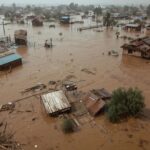
In the first six weeks of 2026, cholera cases in Southern Africa have surged more than sevenfold compared with the same period in 2025, driven by severe flooding from cyclones, damaged infrastructure, and inadequate water and sanitation among displaced populations, according to the World Health Organization (WHO). Between 1 January and 15 February 2026, five… [Read More]
Strengthening Water Safety in Morogoro: Tanzania’s Latest Initiative

In February 2026, the Ministry of Health in Tanzania, through its Directorate of Preventive Services and the Environmental Health and Sanitation Section, successfully enhanced the country’s capacity to detect and prevent waterborne health threats at the community level and at designated Points of Entry (PoEs). The initiative focused on strengthening frontline preparedness, recognizing that contaminated… [Read More]
Angola and Namibia Launch Synchronized Polio Campaign Along Border
The Government of Angola has launched a subnational polio vaccination campaign in Namacunde, Cunene Province, from 24 to 27 February 2026, covering 13 municipalities across four provinces bordering Namibia. The initiative is coordinated with Namibian authorities to halt poliovirus transmission and protect all children at risk. The campaign targets 230,000 children under 10 years of… [Read More]
WHO Launches Strategy Game to Boost Outbreak Response Speed

WHO is testing an innovative approach to improve outbreak detection, notification, and response through the interactive ‘7-1-7 Strategy Game’. The 7-1-7 framework sets clear targets: detect a suspected outbreak within seven days, notify public health authorities within one day, and mount an effective response within seven days. Meeting these benchmarks requires seamless coordination across surveillance,… [Read More]
Strengthening Traditional Medicine: WHO Launches New Collaborating Centre

The Charité Competence Center for Traditional and Integrative Medicine (CCCTIM) at Charité Universitätsmedizin in Berlin has been designated as the WHO Collaborating Centre for Traditional, Integrative, and Preventive Medicine for the next four years. This is the first collaborating centre to support the Global Traditional Medicine Centre (GTMC) in this thematic area, establishing Berlin as… [Read More]
Strengthening Malaria Elimination in Africa Through Localized Data

In northern Togo, the effective analysis and use of routine health facility data can be the difference between identifying a rise in malaria cases early or recognizing it only after wards are full and children present with severe disease. For malaria programmes across Africa, health workers’ ability to interpret and act on data directly influences… [Read More]
Stemming the Tide of Digital Scams: A Development Priority

Digital scams have become a major global development challenge, inflicting estimated losses of over one trillion USD annually. Beyond financial harm, these scams erode trust in digital systems, weaken confidence in governments and institutions, and exploit vulnerabilities in public services, infrastructure, and digital payments. Rapid digitalization, including the rise of AI-enabled scams, has expanded both… [Read More]
IUCN NAbSA Launches Brief Series to Boost Nature-Based Climate Solutions
The International Union for Conservation of Nature (IUCN) unveiled its new Nature-based Solutions (NbS) Brief Series during International Development Week 2026 in Ottawa, Canada. Developed through the NAbSA initiative, the series provides practical, evidence-based guidance to help governments, investors, and communities scale climate adaptation efforts that benefit both nature and people. Drawing on on-the-ground experiences… [Read More]
Stronger Together for Peace: Building Unity and Global Harmony
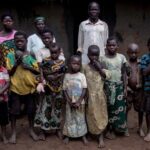
Across the fragile borderlands of northern Ghana, communities face intersecting challenges of insecurity, climate stress, and social marginalization, which make them vulnerable to violent extremism. Yet these same communities possess significant potential for peace when supported with the right tools, resources, and opportunities to shape their own future. With the catalytic support of Denmark, Luxembourg,… [Read More]
Ukraine Receives Historic €1.5 Billion from EIB Group in 2025
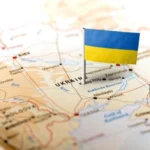
In 2025, the EIB Group provided a record €1.5 billion in financing to Ukraine, supporting energy, infrastructure, small businesses, and EU integration. Working closely with the Government of Ukraine and the European Commission, the EIB Group addressed urgent wartime needs while advancing long-term recovery. Since 2022, the Group has delivered over €4 billion in EU-guaranteed… [Read More]
Overnight Care Service to End Amid Budget Reductions

An overnight nursing service providing palliative care in Ipswich and Suffolk will end after the NHS Suffolk and North East Essex Integrated Care Board (ICB) withdrew funding, with the grant concluding on 31 March. The service, delivered by Marie Curie, supported 470 patients and provided 15,385 hours of vital care in the last financial year…. [Read More]
Canada Invests $41M in Cancer Prevention and Early Detection Research
Cancer is the leading cause of death in Canada, affecting nearly every family and costing the healthcare system, patients, and families an estimated $37.7 billion annually, including hospital care, medications, lost wages, and other expenses. Studies indicate that up to 40% of cancer cases could be prevented through lifestyle and environmental changes, highlighting the critical… [Read More]
Empowering Communities: Small Grants Initiative Expands to Solomon Islands
Four civil society organisations in the Solomon Islands have received funding under Phase 2 of the Small Grants Initiative (SGI), a program designed to strengthen community-led, climate-resilient development across the Pacific. The funding awards were announced at an event hosted by the New Zealand High Commission in partnership with the United Nations Development Programme (UNDP),… [Read More]
London Cancer Hub Fund Launched by Aviva to Drive Cancer Innovation
The London Cancer Hub Fund has officially launched, offering support to local charities, Community Interest Companies (CICs), and grassroots organisations across Sutton. Applications are open until 8 April, with the fund aiming to provide match funding of up to £5,000 per project through Crowdfunder. This initiative is part of Aviva’s commitment to the expansion of… [Read More]
Greek Law Targeting NGOs Sparks International Criticism
Five United Nations experts, led by Special Rapporteur on human rights defenders Mary Lawlor, have sharply criticized Greece’s new migration law for criminalizing human rights defenders supporting migrants, refugees, and asylum seekers. In a letter made public on February 24, the experts warned that the legislation, adopted on February 5, imposes unfair restrictions on NGOs… [Read More]


