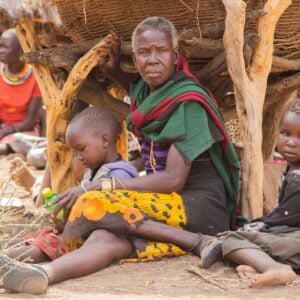
In Aloutte Mandingue, Senegal, daily life for families like that of Sounkary Seydi revolves around small-scale farming, where unreliable rainfall and limited harvests often mean meals consist of basic staples with insufficient nutrition. This instability has long contributed to malnutrition, especially among children and breastfeeding women, with hygiene challenges compounding the problem.
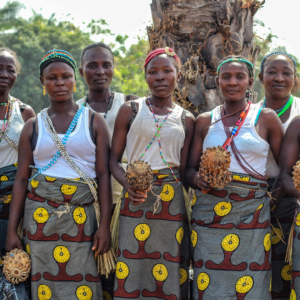
The arrival of the KAYRA project, led by Heifer Senegal, marked a turning point. Sounkary became a Model Mother, a trusted community figure trained in nutrition, hygiene, growth monitoring, and food preparation. Together with other women, she helped organize collective efforts to improve child health, teaching families to recognize early signs of malnutrition and adopt better feeding and hygiene practices.
Even after the project closed in 2025, the work continues. Model Mothers now regularly meet with families, monitor children’s growth using MUAC bands, and respond quickly when malnutrition is detected. Community granaries stocked with local crops provide fortified porridge for children, while savings-and-loan groups help families afford food and healthcare.
The impact is visible: screening coverage has expanded, malnutrition rates have dropped from 4.5% to 2%, and households have adopted healthier practices such as treating water, using iodized salt, and diversifying meals. Men are also becoming more involved in child health visits, reflecting broader community change.
Sounkary emphasizes that the transformation is lasting. Thanks to the KAYRA project, families are healthier, communities are cleaner, and women are empowered to sustain these practices independently, ensuring that children grow up in safer, more resilient environments.