You are here: Home/cat/ New $56 Million Boost for Mid North Coast Flood Recovery
New $56 Million Boost for Mid North Coast Flood Recovery
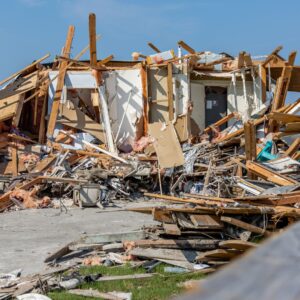
The Albanese and Minns Governments have announced a new joint funding package of more than $56 million to support recovery efforts across the Mid North Coast following severe weather events in May 2025 and ex-Tropical Cyclone Alfred. Delivered through the Commonwealth-State Disaster Recovery Funding Arrangements, the package focuses on long-term rebuilding, environmental restoration, and financial assistance for affected communities.
A significant portion of the funding will be directed towards large-scale cleanup and environmental repair work. This includes $26.2 million for the removal of hazardous debris from waterways and land, managed by the NSW Environment Protection Authority, and $8.8 million for restoring damaged riverbanks and coastal areas, including critical infrastructure repairs. These efforts aim to address the widespread environmental impact of flooding and strengthen resilience against future disasters.
Support for local businesses and community recovery is also a key component of the package. Around $5.61 million will be allocated to expanded small business and non-profit grants of up to $25,000 to assist with repairing damaged premises and replacing essential equipment. In addition, $7.2 million will support community recovery initiatives, including resilience programs and coordination roles to help local councils work directly with affected residents.
The package also includes targeted social and wellbeing support, with $1.9 million allocated to disaster legal services and $4.2 million for mental health programs to assist individuals and communities dealing with the long-term impacts of the disasters. These services aim to address both the economic and emotional recovery needs of residents.
Government leaders emphasized that recovery in the region is a long-term process requiring sustained cooperation between federal and state authorities. They highlighted that the funding package is designed to deliver practical, on-the-ground assistance to help communities rebuild infrastructure, restore livelihoods, and strengthen resilience for future extreme weather events.