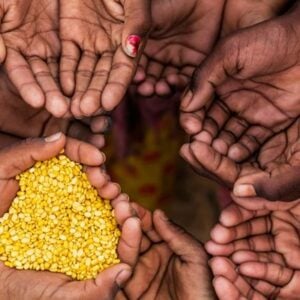
Pakistan faces a silent nutrition crisis where diets high in grains and sugar leave many undernourished while diabetes rates continue to rise. Although the country produces enough food, access to balanced diets remains limited, particularly for vulnerable populations. Experts suggest that shifting from a traditional ‘food security’ approach to a comprehensive ‘food systems transformation’ could address this challenge effectively.
Sugar is ubiquitous in daily life, but its prevalence highlights deeper dietary and economic issues. Children in Pakistan are among the most malnourished in the region, with over 30 percent of under-fives stunted. Diet-related diseases are rising, and Pakistan has the highest adult diabetes prevalence in the world, affecting approximately 34.5 million people. These patterns reflect a system that prioritizes calories over nutrition.
Historically, Pakistan’s food policies focused on ensuring staple crop availability, such as wheat, to feed a growing population. While this approach addressed the threat of famine, it does not ensure access to nutritionally adequate and diverse foods. Today, the challenge is not just food supply but whether families can afford and access a diet that supports health.
Over 60 percent of Pakistanis cannot afford a healthy diet, with 16.5 percent undernourished and 23 percent obese. In 2024, UN agencies and partners provided nutrition support to over 1.2 million children and women, treating more than 565,000 children for severe acute malnutrition. Evidence from the FAO-led Food Systems Transformation initiative shows gaps in availability of fruits, vegetables, pulses, and legumes, limiting access to healthy diets.
A policy shift is needed to move beyond staple-focused food security to managing the entire food system, including resource allocation, production choices, and nutrition outcomes. In 2024, Pakistan secured its first allocation from the Joint SDG Fund to enhance agricultural resilience, improve nutrition, and promote sustainable rural livelihoods, guided by FAO technical leadership. Key achievements include the National Nutrition Action Plan, Sindh’s Breast Milk Substitutes Act, and Punjab’s Multisectoral Nutrition Strategy.
Challenges remain, including narrow policy focus on staples, treating food security solely as an agricultural issue, and the absence of modern food systems governance. Nutrition interventions now reach more health facilities, and over 45,000 personnel have been trained in infant and young child feeding, improving access to high-impact nutrition services.
Transforming Pakistan’s food system requires four key actions: incentivizing dietary diversity by promoting nutrient-dense foods, reducing post-harvest food loss, building awareness and political support for healthy diets, and using fiscal policy to make nutritious choices affordable. A sustainable food system is critical not just for health but for economic growth, resilience, and nation-building, shifting the focus from “do we have enough wheat?” to “can families access enough good food?”