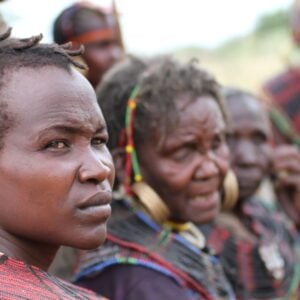
Across Africa, gender inequality is closely tied to water access, with everyday decisions—such as where wells are placed, who carries water, and who participates in management—shaping whether communities advance or remain trapped in inequality. On World Water Day 2026, the theme “Where water flows, equality grows” highlights that safe water and sanitation are not just basic rights but critical levers for gender equality, especially in sub-Saharan Africa where women and girls shoulder the greatest burdens. Progress depends on placing women’s leadership and perspectives at the center of water management, yet systems often reinforce inequities, with women underrepresented in decision-making despite comprising over one-fifth of the global water sector workforce.
Water systems are shaped by choices about power, whose needs are prioritized, and which voices are heard. When women are excluded, they face lost time, increased risks, and fewer opportunities. Gender-responsive policies, leadership quotas, and improved technologies are helping women participate more fully and reduce daily burdens, but progress is blocked by entrenched social norms, symbolic roles, and under-resourced institutions. Inclusion without real authority or agency does not address deeper inequalities, and reforms that ignore control over resources and decision-making often perpetuate existing disparities. For example, women serving on water committees frequently occupy minor roles, while men hold positions with actual influence.
In Ethiopia, studies of irrigation schemes in Afar and Wollo show that male-dominated water user associations make decisions that disproportionately affect women, assigning them nighttime irrigation shifts that pose risks and forcing them to give up land or share yields with others, further limiting their income and autonomy. This illustrates that meaningful gender equity in water management requires not just access but agency, leadership, and the redistribution of power and resources to ensure women genuinely benefit from water-related interventions.